Court Filing Alleges Officer Shot Man at WakeMed Garner
Court filings in the case stemming from the Nov. 8 shooting at WakeMed Garner state that Officer Roger Smith is accused of having shot Benji Martin Jr. The filings also say Martin remains housed in the medical unit of the Wake County Detention Center and request specific medical supplies while he receives care, developments that have intensified local protests and calls for transparency.

New court filings in the widely followed WakeMed Garner case allege that Officer Roger Smith, the WakeMed Garner police officer who later died, shot Benji Martin Jr. during the Nov. 8 incident at the emergency department. The filings state Martin continues to be detained in the medical unit of the Wake County Detention Center because of his injuries and ask that medical supplies, including ostomy supplies, be provided while he receives treatment.
The filings arrive as a grand jury has already taken action in the broader case and as public demonstrations around the shooting have grown in size and frequency. Protesters and community members have demanded answers about the shooting, about the timeline of events at the hospital, and about how evidence and medical needs are being handled while criminal proceedings move forward. The filings and the community response have placed renewed focus on the procedural steps prosecutors and detention authorities must follow when a detainee requires ongoing medical care.
Legal motions in the record directly address the intersection of health care in custody and evidence preservation. Defense and prosecution filings can shape what medical information is disclosed and how treatment items are documented in the court record. Those documents will also influence how courts balance a defendant or detainee privacy rights with public interest in transparency, and how the justice system documents chain of custody for evidence that may be relevant to criminal charges.
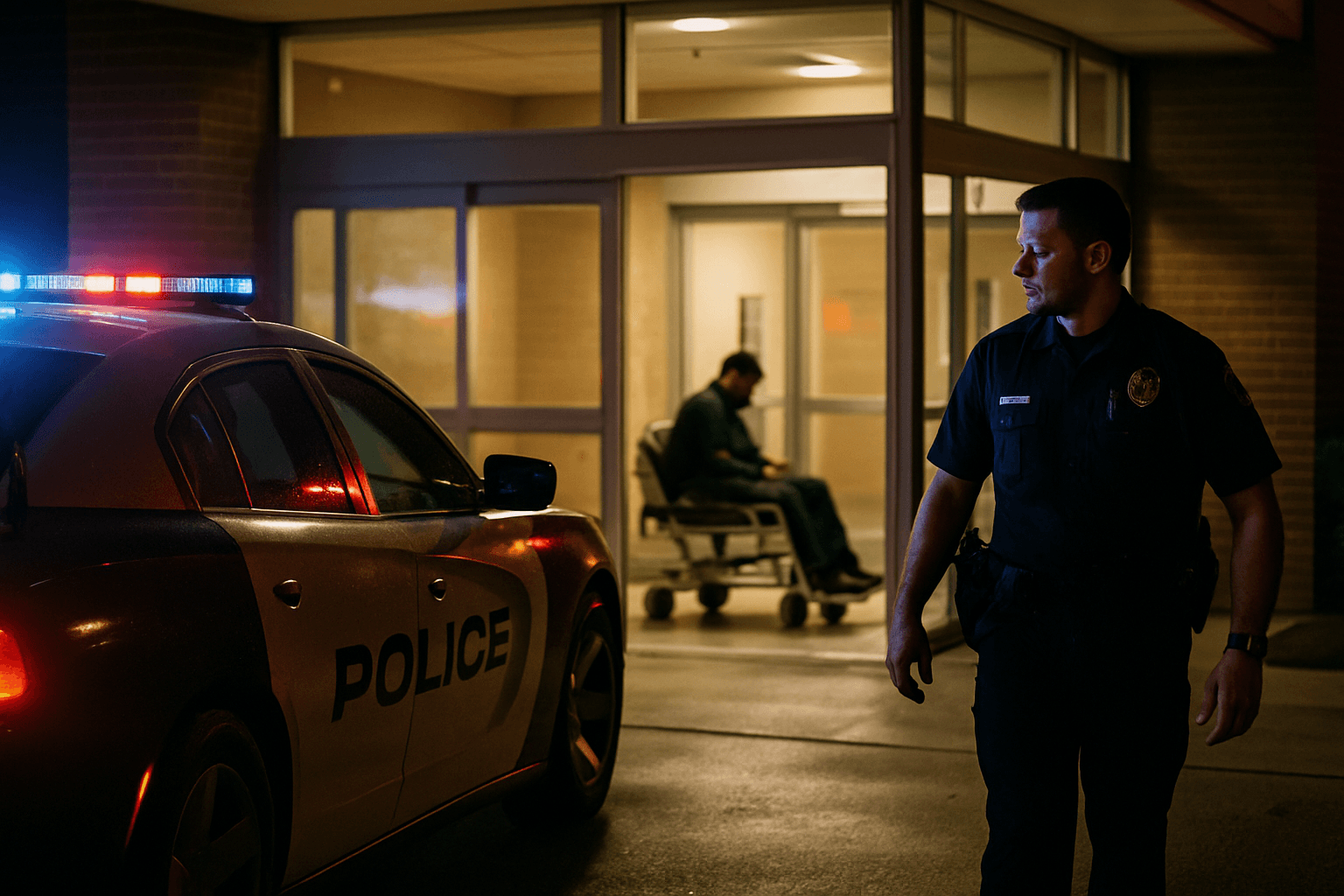
For Wake County residents the case raises questions about institutional responsibilities across multiple agencies, including hospital security operations, municipal or hospital police conduct, detention center medical protocols, and prosecutorial oversight. The need for clear protocols for medical care in custody, independent review of use of force incidents on medical campuses, and timely public reporting of investigative milestones has become a central part of local debate.
As motions and hearings continue, the filings are likely to shape both the legal trajectory of the case and community trust in public institutions. Voters and local leaders may see this episode as a prompt to review policies on custody medical care, civilian oversight of policing, and transparency in investigations. Court documents and motions remain part of the public record and will be the primary source for updates as the legal process proceeds.
Sources:
Know something we missed? Have a correction or additional information?
Submit a Tip