Cyclone Ditwah Deaths Top 600, Sri Lanka Confronts Massive Recovery Effort
Sri Lanka intensified rescue and relief operations after Cyclone Ditwah, as authorities reported 607 fatalities and hundreds missing, with more than two million people affected. The government unveiled a compensation and relocation package and appealed for international support, while the IMF considers an emergency financing request that could shape fiscal policy during reconstruction.
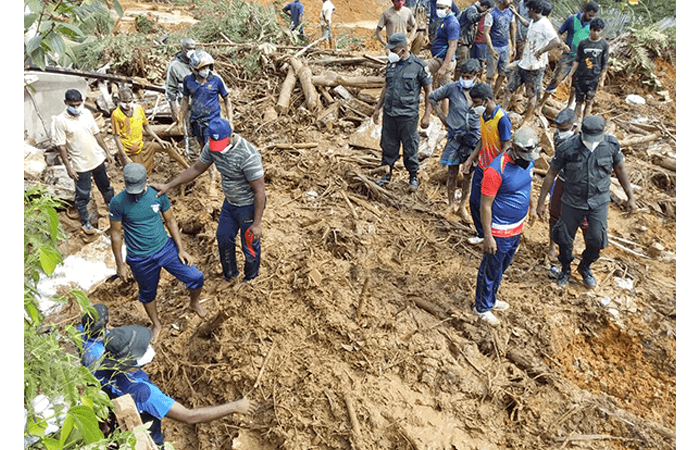
Sri Lanka pressed on with search and rescue operations and emergency relief after Cyclone Ditwah and related heavy rains left widespread destruction across the island. Authorities reported 607 fatalities and hundreds more missing as of December 5, and the Disaster Management Centre said more than two million people had been affected and tens of thousands remained in temporary shelters. The situation remained fluid on December 6, with continued rain and heightened landslide risk in central hill districts.
The National Building Research Organisation issued fresh warnings after more than 150 millimetres of rain fell in some hill areas within 24 hours, raising the prospect of further slope failures and forcing authorities to tighten evacuation advisories for vulnerable communities. Rescue teams were focusing on areas where roads and bridges had been damaged, complicating relief deliveries and the initial assessment of losses to homes and infrastructure.
In response, the government announced a package of compensation and aid that includes payouts intended to help relocate families, to rebuild homes in safer locations, and to provide death and permanent disability compensation for victims. Officials also appealed for international support and said they had sought to mobilise bilateral and multilateral assistance. The International Monetary Fund said it was considering an emergency financing request, a development that could influence the timing and design of external aid and domestic fiscal measures.
The immediate human toll and displacement are likely to translate into substantial economic costs. Reconstruction and relocation programs will require significant fiscal resources at a moment when Sri Lanka's public finances remain stretched. Emergency payouts and rebuilding subsidies will need to be financed by reallocations from the budget, external borrowing, or donor grants. IMF emergency financing could ease near term liquidity pressures, but may also come with conditions that influence spending priorities and reform timetables.
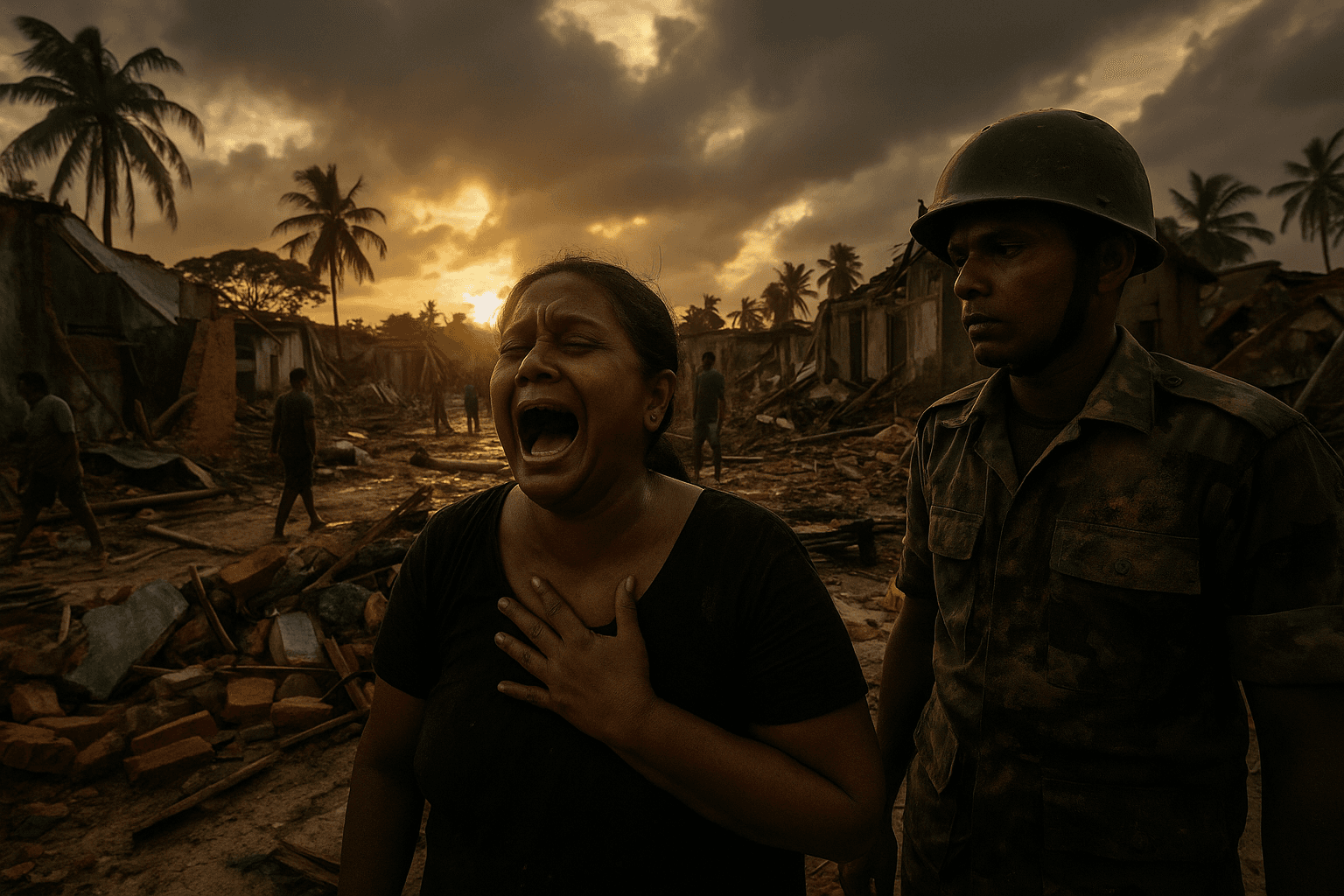
Market implications are already emerging. Disruptions to tourism, a key foreign exchange earner, and damage to crops in hard hit districts could tighten the current account and place pressure on the currency and sovereign financing costs over the coming months. Investors will watch for clarity on the size and composition of the government aid package and any IMF support, as those choices will affect debt dynamics and the pace of recovery spending.
Beyond the immediate shock, the disaster underscores longer term trends that policymakers must confront. Increasing intensity of storms and heavy rainfall linked to a warming climate raises the frequency of costly extreme weather events and amplifies the need for durable land use planning, investments in slope stabilisation, early warning systems, and resilient infrastructure. The scale of displacement now under consideration will test the governments capacity to implement managed relocations in a way that reduces future risk while limiting social and economic disruption.
For now the priority remains lifesaving aid and stabilising affected communities, even as officials begin the harder work of estimating damages and charting a path to recovery that balances urgent relief with long term resilience.