Serb Mayors Sworn In Across Northern Kosovo, Tensions Reignite
Mayors from the Serb aligned Srpska Lista were sworn in on December 5 in four majority Serb northern Kosovo municipalities, deepening a fragile stalemate that matters to Europe and NATO. The move complicates stalled EU mediated talks on a Serb municipal association, keeps international peacekeepers on edge, and raises questions about the future of local governance in a contested territory.

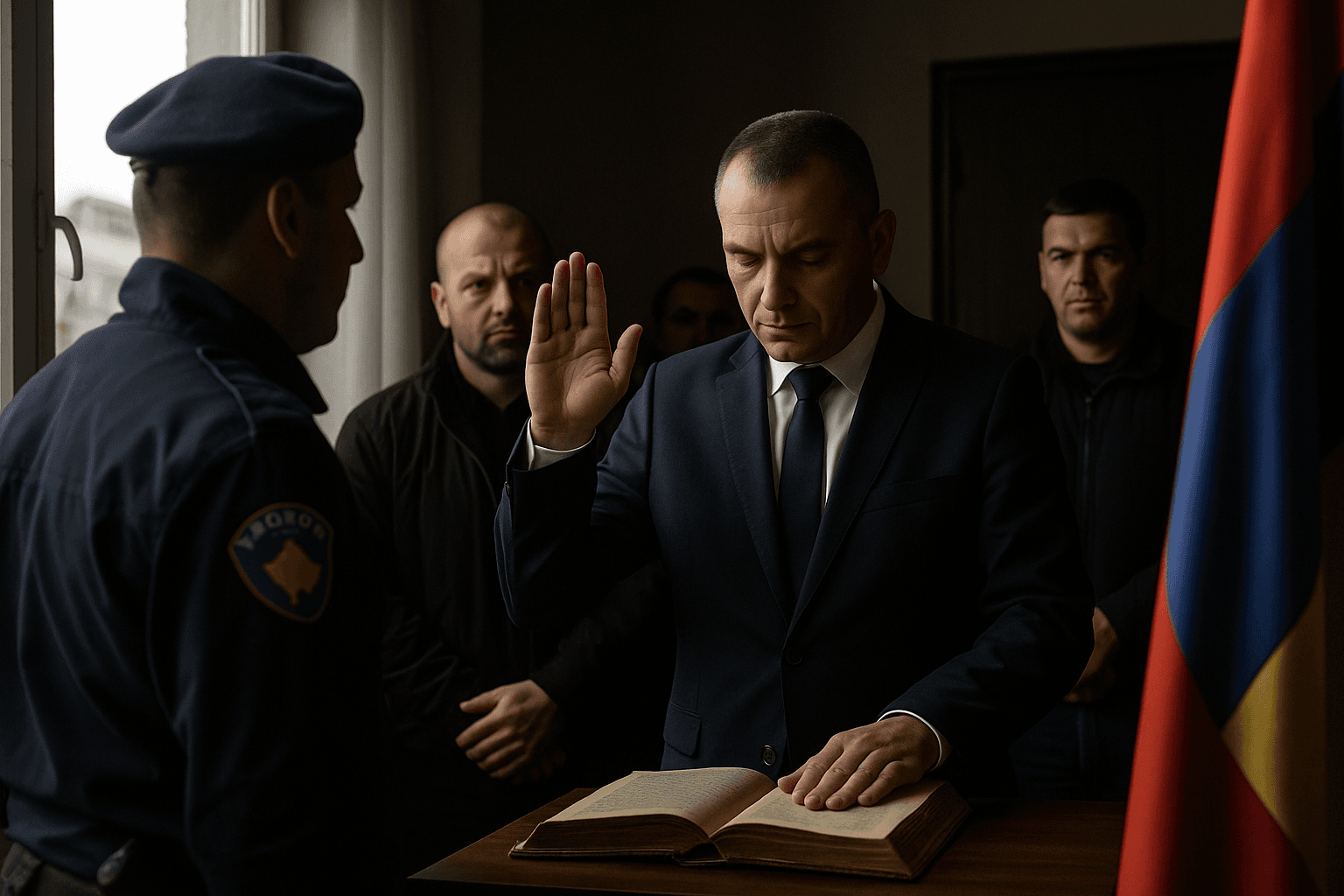
Mayors from the Serb aligned Srpska Lista party were sworn into office on December 5 in the four majority Serb municipalities of Mitrovica, Zubin Potok, Leposavic and Zvecan in northern Kosovo. The inaugurations come more than two years after a political crisis that produced clashes with NATO peacekeepers, and they have reopened tensions over authority and recognition in a region where Belgrade does not recognise Kosovo’s independence.
Local ceremonies were closely watched by international actors because the new municipal leadership sits at the intersection of local governance and a larger geopolitical dispute. The mayors are affiliated with a party that answers electorally to a Serb electorate in Kosovo and politically to Belgrade, a linkage that complicates efforts by Pristina to exercise effective state authority in the north. NATO forces remain deployed in the area and have been working to prevent a return to the violent confrontations that marked the earlier crisis.
The swearing in underlines the enduring fragility of northern Kosovo’s political landscape. Brussels mediated a dialogue intended to integrate Serb majority municipalities into Kosovo’s legal framework while protecting local autonomy, including proposals for an association of Serb majority municipalities. That dialogue has been stalled for months and the new municipal administrations are likely to harden positions on both sides, making compromise more elusive.
For the local Serb population the ceremonies were an assertion of municipal self determination and a demand for practical protections for language rights, public services and security arrangements. For Pristina the arrival of a unified Serb municipal leadership aligned with Belgrade presents a test of state institutions and of the ability of Kosovo authorities to deliver services uniformly across their territory without inflaming identity politics.
International actors face a delicate balancing act. NATO’s KFOR mission continues to emphasize stability and restraint. European Union mediators will confront renewed pressure to revive negotiations over the proposed municipal association, a matter tied to Serbia and Kosovo’s wider European aspirations. For Belgrade, which maintains that Kosovo is part of its sovereign territory, the new mayors offer political leverage without resolving the underlying disagreement over recognition.
Legal and diplomatic complexities add to the stakes. Kosovo declared independence in 2008 and is recognised by more than one hundred UN member states, but its status remains disputed by Serbia and several other countries. The unresolved status shapes everyday governance in the north where questions of policing, judiciary authority and municipal competences persist.
Officials from international organisations and Western capitals privately expressed hopes that the new municipal teams would act pragmatically, prioritising public services and dialogue over confrontation, but they also warned that tensions remain. The events of December 5 will test whether local leaders, Pristina, Belgrade and international mediators can revive political channels before a local impasse becomes a broader security challenge.