Deadhorse hub shapes jobs, logistics and borough services
deadhorse is the industrial heart of Prudhoe Bay operations, driving jobs, supply lines and borough revenues that affect life across the North Slope.
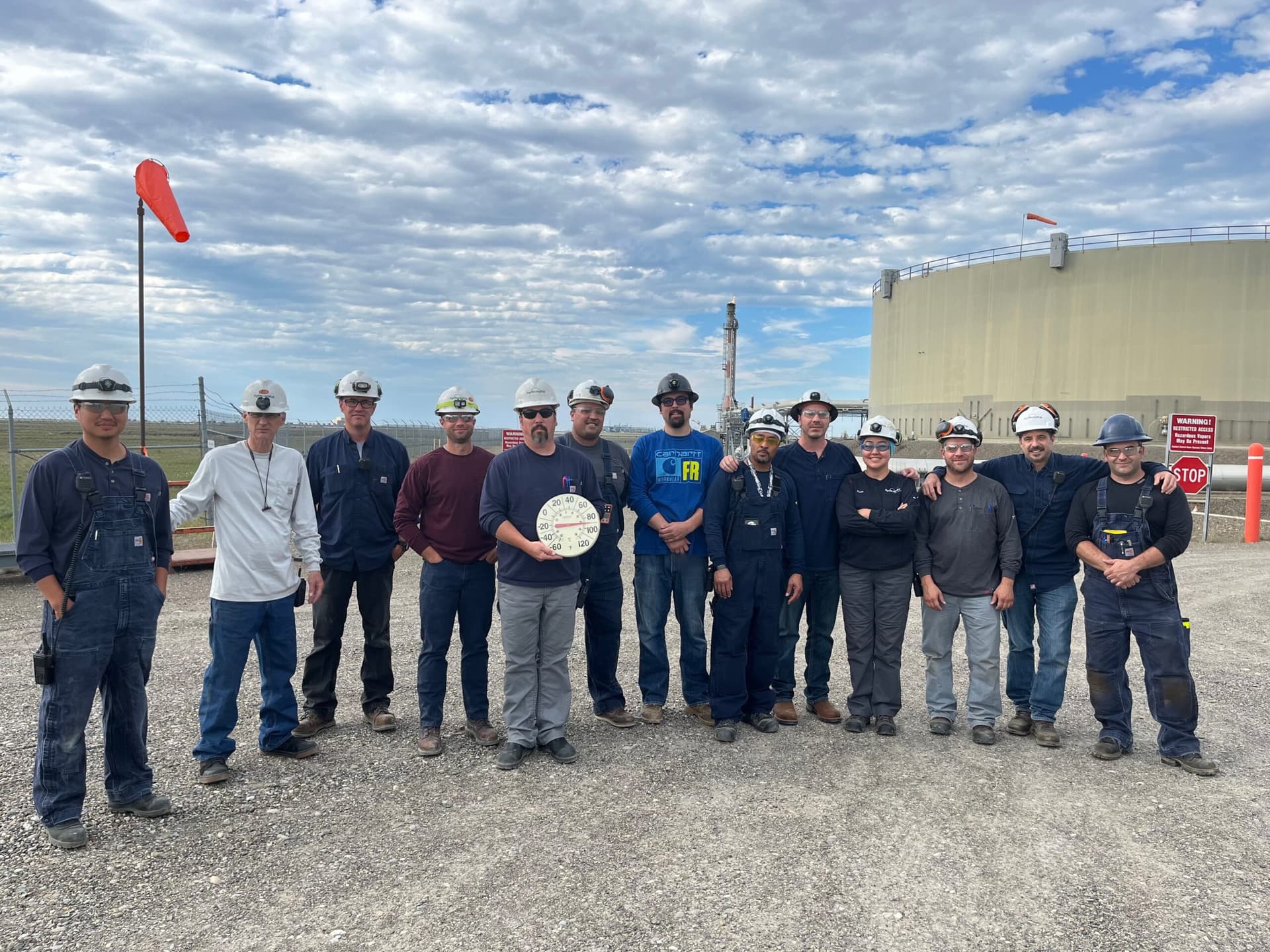
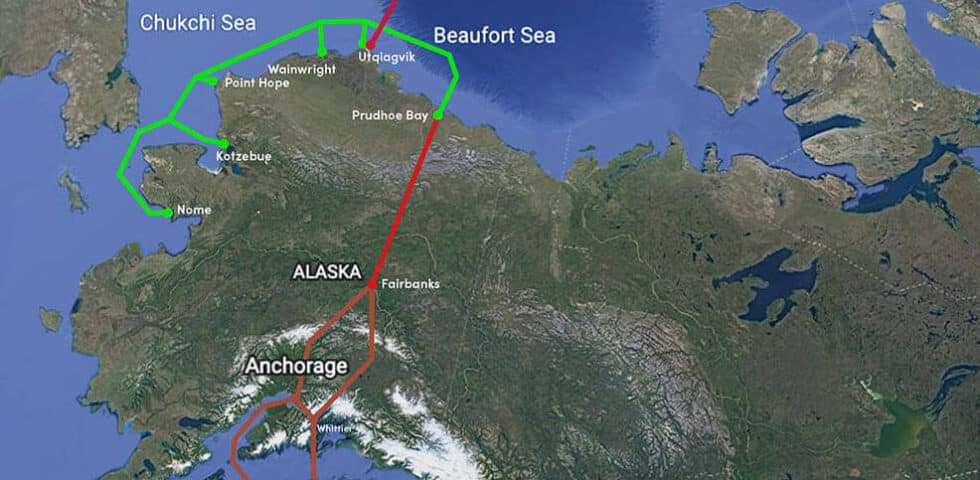
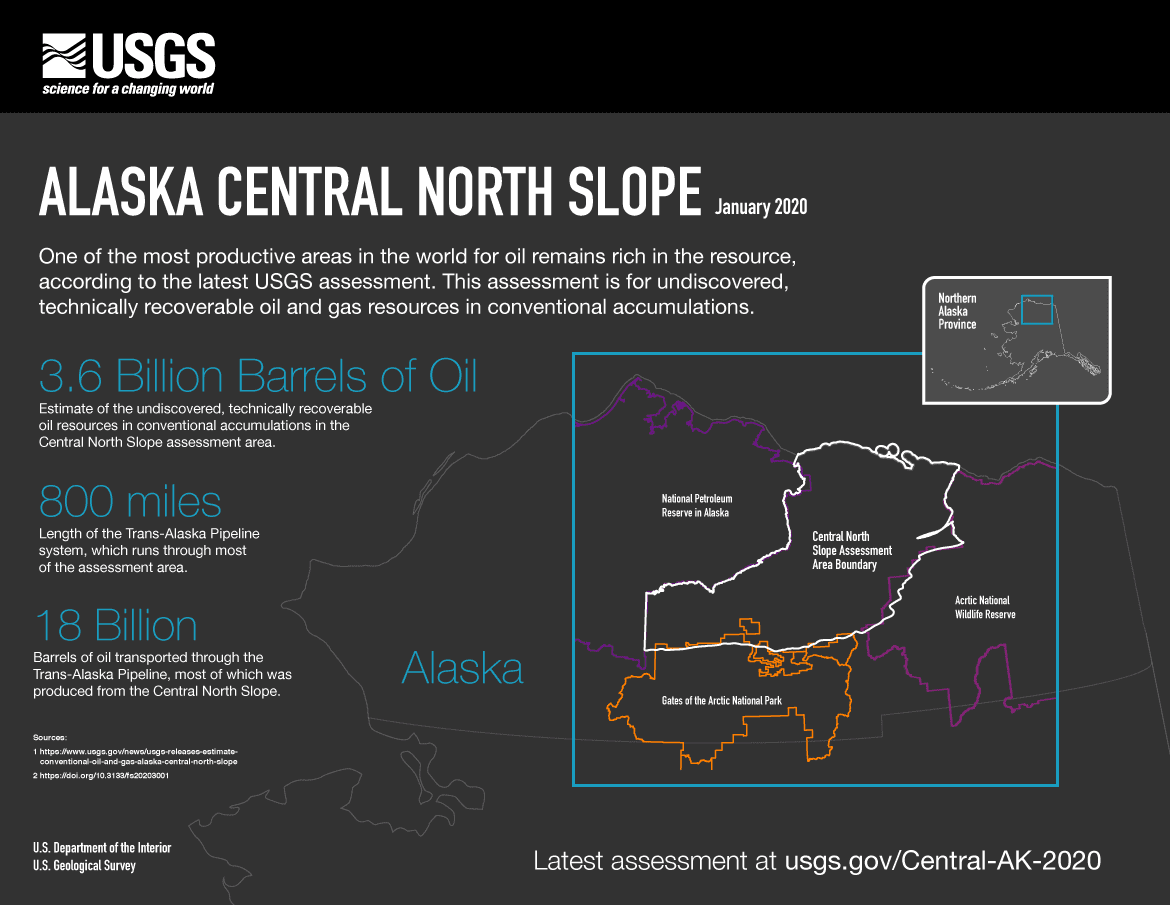
Deadhorse is the industrial service area that keeps Prudhoe Bay and North Slope oil operations running, and its rhythms ripple through jobs, transport and local government. The unincorporated community serves as a logistics, maintenance and worker center for petroleum activity that feeds the Trans-Alaska Pipeline System (TAPS). For North Slope residents, what happens in Deadhorse directly influences hiring, charter schedules, barge windows and the flow of fuel and supplies to villages.
Economic ties are immediate and broad. Deadhorse and Prudhoe Bay support thousands of temporary and rotating oilfield workers and generate major contracts for Alaska Native corporations, regional businesses and logistics firms. That activity underpins revenue streams that fund borough services — from schools and health care to water and wastewater projects and emergency response capacity in Utqiagvik and other villages. Changes in field activity therefore affect municipal budgets and the availability of locally contracted work.
Transport and logistics center on two critical links: the Dalton Highway, commonly called the Haul Road, and Deadhorse Airport. Seasonal cycles shape those links. Spring thaw and breakup, extreme winter ice, and occasional flood events on the Haul Road can disrupt supply chains and shift barge and air schedules for weeks. Many village supplies transit through Deadhorse staging areas, industrial tank farms and fuel distribution nodes; interruptions in Deadhorse logistics can delay fuel deliveries, construction materials and critical equipment across the borough.
Operations in and near Deadhorse also trigger layers of environmental review and monitoring. Projects that touch the National Petroleum Reserve–Alaska, coastal or river corridors, or that build new infrastructure may prompt state and federal reviews and require community consultation. Those regulatory processes can change project timelines and therefore the timing of local contracting and employment opportunities, as well as the scale of environmental oversight around sensitive subsistence areas.
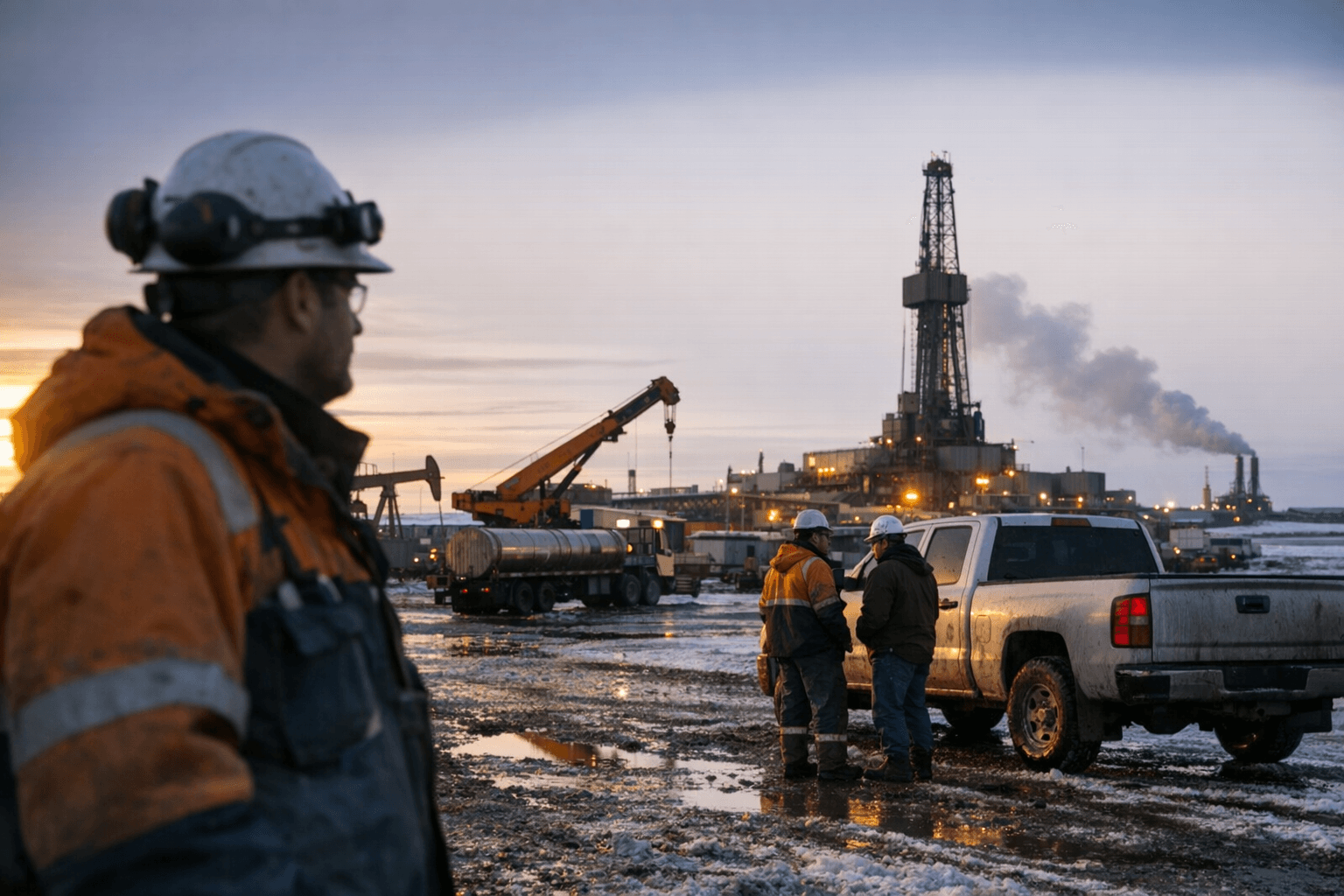
Public safety planning routinely connects Deadhorse activity with borough emergency services. Medevac readiness, search-and-rescue coordination and road-closure responses rely on clear lines of communication between field operators and Utqiagvik-based borough offices. When oilfield schedules change, charter movements and emergency response plans often change with them.
For residents and visitors, practical steps matter: check flight and barge schedules during winter storms and spring thaw, and verify timing with carriers and local offices before travel. For questions about borough services affected by oilfield operations, contact North Slope Borough offices in Utqiagvik or local oilfield operators for status updates. Stay tuned to haul road conditions, barge windows and medevac notices so household fuel and supplies are not unexpectedly delayed.
The takeaway? Keep one eye on Deadhorse activity and the other on the Haul Road calendar. Small shifts at the industrial hub can mean big changes in jobs, deliveries and municipal services across the North Slope — plan ahead and stay connected with borough and operator updates.
Know something we missed? Have a correction or additional information?
Submit a Tip