Subsea cable cut leaves Nome and northwest Alaska with limited internet
Quintillion’s fiber optic cable broke near the North Slope, cutting service to western Alaska communities and forcing months-long repairs; locals face slower service and patchwork fixes.
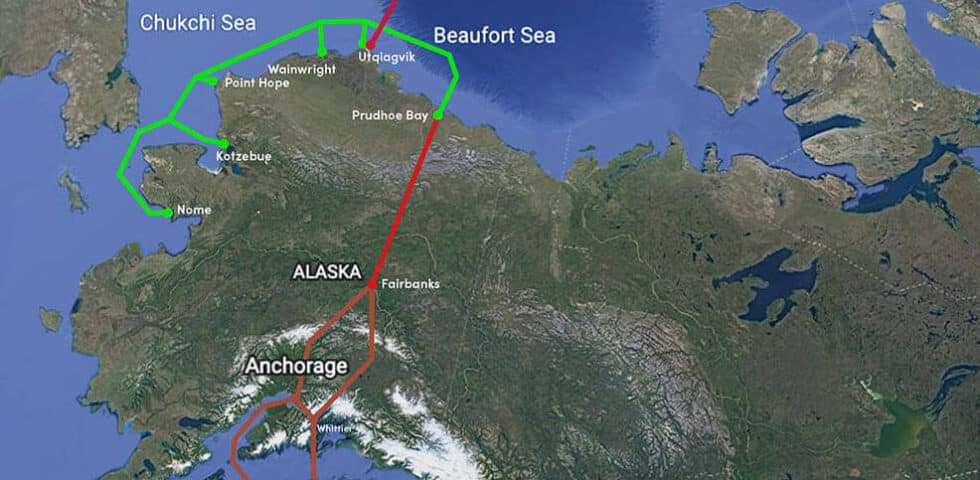
A break in the Quintillion subsea fiber optic cable on January 13 left Nome and many western and northwestern Alaska communities with degraded or no internet service, officials said, marking the second major subsea cable outage affecting the region in two years. The outage severs the fiber ring that runs from Prudhoe Bay to Nome and immediately shifted tens of thousands of users onto slower microwave and satellite backbones.
Quintillion initially indicated the break was near Oliktok Point but later said crews cannot pinpoint the cut because winter sea ice and darkness block access to the cable. The company warned the outage will be prolonged and that sea ice will prevent a repair vessel from accessing the site until late summer. Quintillion is exploring a terrestrial bypass — a so‑called "land bridge" from Utqiagvik to Deadhorse — and has already purchased the material now staged in Fairbanks, but says substantial federal financial assistance will be required to expedite that fix.
About 20,000 Alaskans get internet from providers that rely on Quintillion’s network, including Atlas, ASTAC, ACS, Fastwyre and GCI. GCI rerouted traffic through microwave and satellite systems, which have lower capacity than fiber, producing slower speeds for affected users in Nome, Kotzebue, Wainwright, Point Hope and Utqiagvik. GCI said mobile calling should continue to work and that service credits will be applied automatically; credits may be prorated depending on the outage and time until restoration.
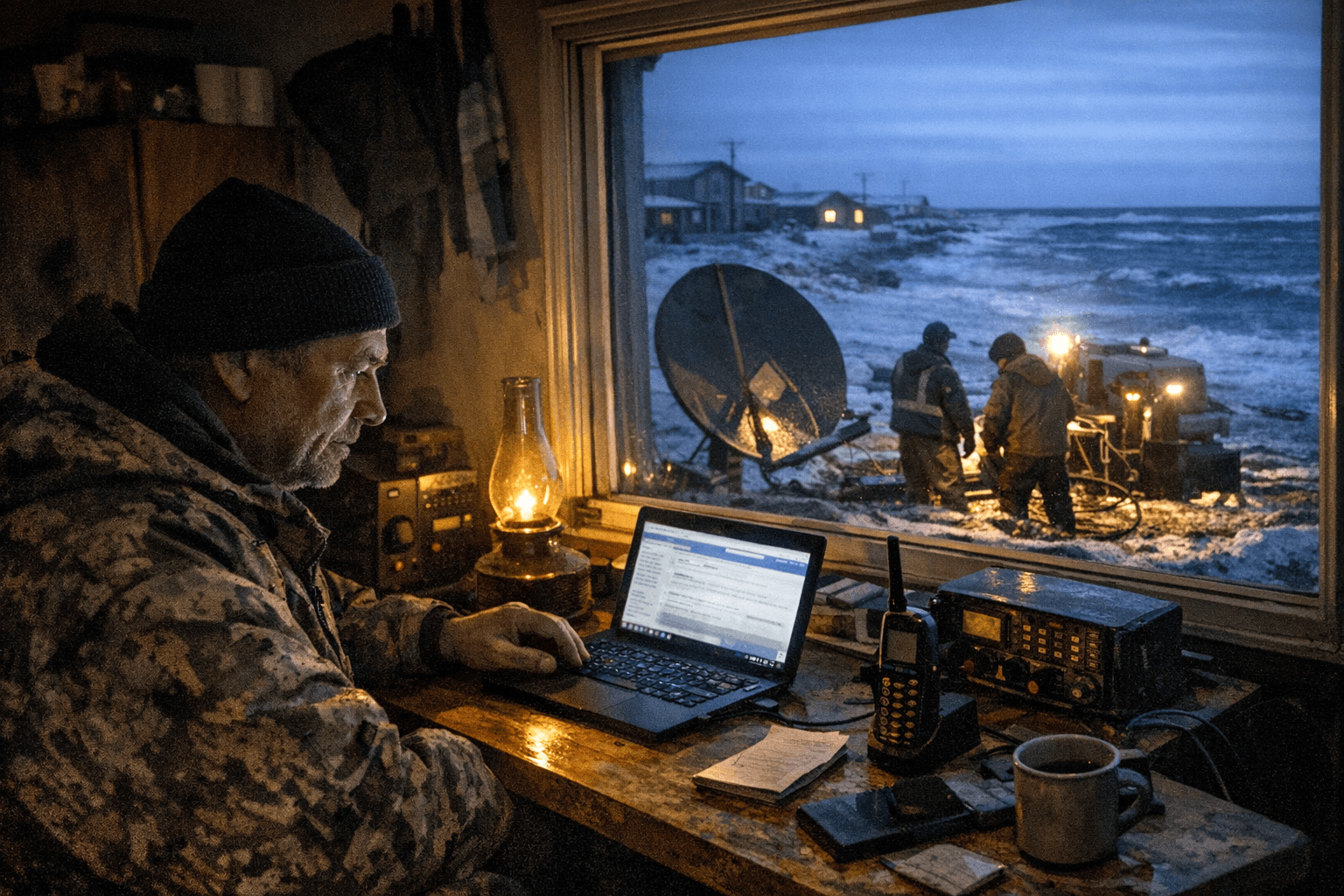
The outage is disrupting local government, schools and utilities. The City of Nome lost normal internet access but maintained phone service while working to set up a Starlink terminal. The Nome Police Department was offline as of press time. Nome Public Schools relied on a backup OneWeb satellite system that cannot handle full school operations; the district is seeking additional systems and an extension for state MAP testing scheduled this month. The Nome Joint Utility board canceled its regular meeting because of the loss of connectivity.
Many businesses report they can keep commerce running this time, after learning from the 2023 cut when credit-card systems failed and cash became the fallback. The FAA reported no interruption to hourly weather reporting from the Nome airport, and several state agencies and airlines remain online, though others such as the Alaska Job Center are offline.
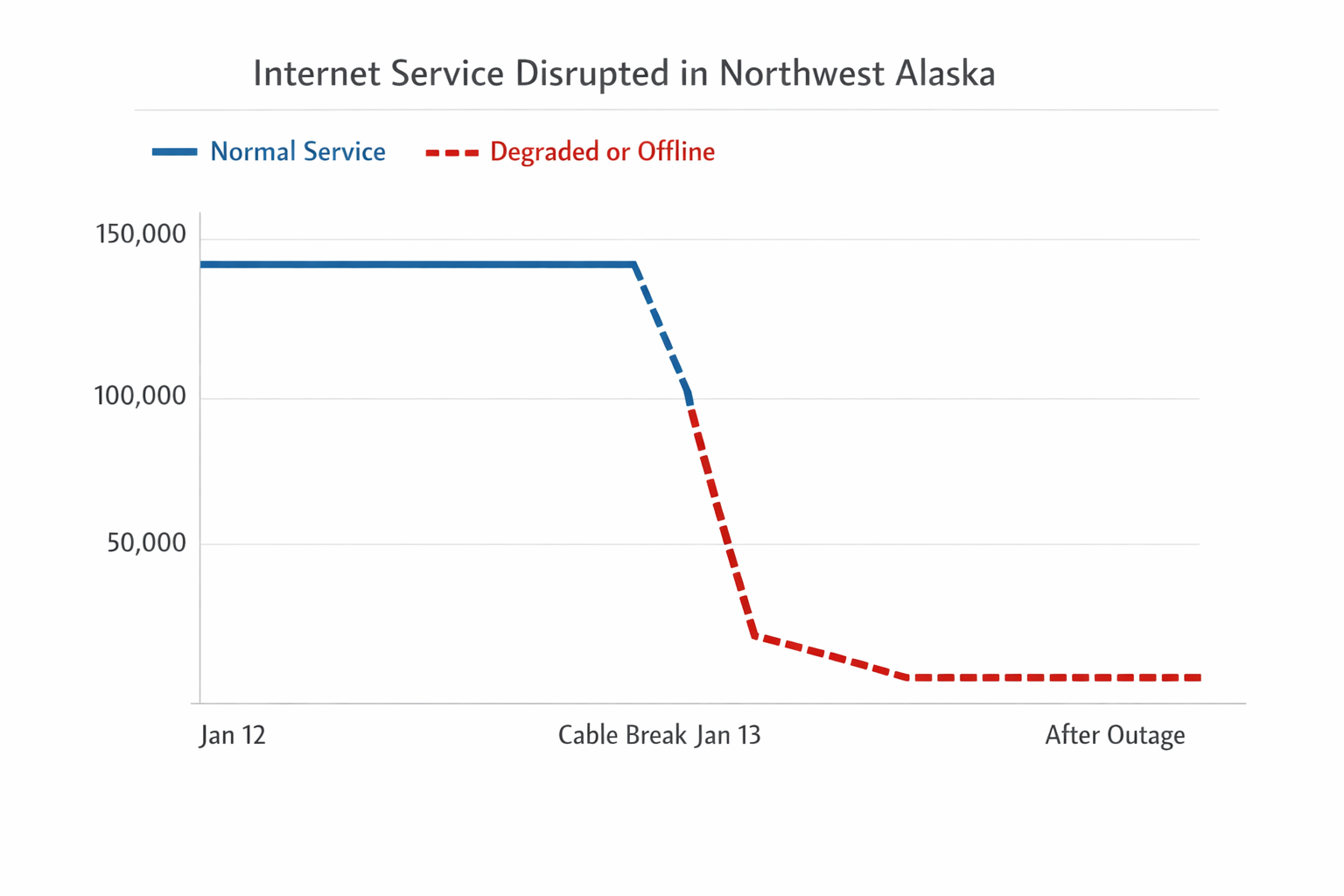
This is the region’s second major cable cut since June 2023, when repairs after an Oliktok Point break took months to complete, underscoring a recurring vulnerability in the region’s communications infrastructure. Quintillion has also emphasized national defense connections tied to the subsea system, but declined to disclose specifics.
The takeaway? Prepare for a prolonged period of reduced speeds and spotty service: check with your provider about automatic credits, dust off satellite options like Starlink if you have them, and plan critical work around slower connections. Our two cents? Treat broadband redundancy as essential municipal infrastructure and press for faster, funded contingency plans before the next thaw.
Sources:
Know something we missed? Have a correction or additional information?
Submit a Tip