Decatur County Genealogy Resources Online and In-Person Guide
A consolidated overview of principal online and local research resources for genealogy, cemetery investigation, and local history in Decatur County is now available to residents. These resources — including transcribed county histories, volunteer cemetery lists, historic newspapers, and courthouse records — can accelerate family research, clarify property histories, and support local preservation efforts.
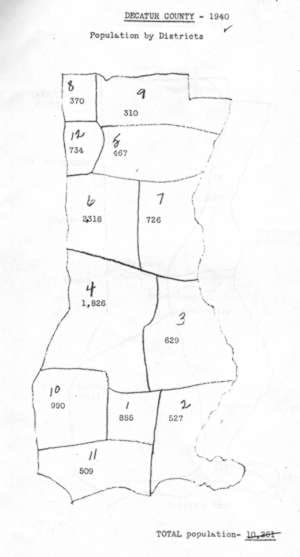
For residents tracing family lines or researching Decatur County history, a set of established online and in-person sources provides practical starting points and follow-up avenues. Transcribed county histories, including a circa-1938 county overview and Lillye Younger’s history, are available on county-focused web pages and supply context on early families, town development, churches, and schools. Those sketches are often indispensable for building family and place narratives that predate systematic vital records.
Volunteer-collected cemetery transcriptions and local burial lists cover many 19th- and early-20th-century burials and are frequently the only accessible record for locating ancestors when official certificates are sparse. Local pages that host these transcriptions allow researchers to identify likely burial sites, birth and death years from gravestones, and family groupings that guide deeper searches.
Historic newspapers remain a rich source for obituaries, social notices, and local government reporting. Catalog references list titles such as The Parsons News Leader and the Decatur County Herald in national library holdings, which can be consulted on microfilm or in digitized form through regional library collections. These notices often bridge gaps left by missing official records.
For primary documents, the Decatur County courthouse in Decaturville remains the first stop for deeds, probate files, marriage bonds, and court minutes. Local public libraries, the Decatur County Historical Society, and nearby state archives hold complementary material and can help locate tax lists and church records. Researchers commonly begin with online transcriptions to establish surnames, towns, and churches; then consult cemetery lists for dates; and follow up with recorded deeds, wills, and early tax rolls at county or state repositories.
Beyond individual family trees, these resources matter economically and culturally for the county. Volunteer-compiled transcriptions lower the time and financial cost of preliminary research, making it easier for out-of-area descendants to plan short visits. Improved access to property and probate histories can assist in current land transactions and title research. Preserving fragile records and consolidating leads also supports modest heritage tourism and education efforts that can benefit local museums and businesses.
To pursue research, start with the county index pages of the transcribed histories and cemetery lists, then contact the Decatur County Historical Society or your regional library system for guidance on newspaper holdings and courthouse materials. Using these linked online and in-person sources helps residents reconstruct family histories, verify property lines, and preserve Decatur County’s local stories for future generations.
Sources:
Know something we missed? Have a correction or additional information?
Submit a Tip