Democrats Unanimously Select Derrick Coley for District 24
The Prince George’s County Democratic Central Committee on Jan. 6 unanimously chose Derrick Coley to fill the vacant House of Delegates seat for District 24, advancing his nomination to Governor Wes Moore for formal appointment. The decision affects local representation for parts of Fairmount Heights, Glenarden and Glenn Dale and sets up potential June primary competition that could shape policy priorities and constituent engagement.
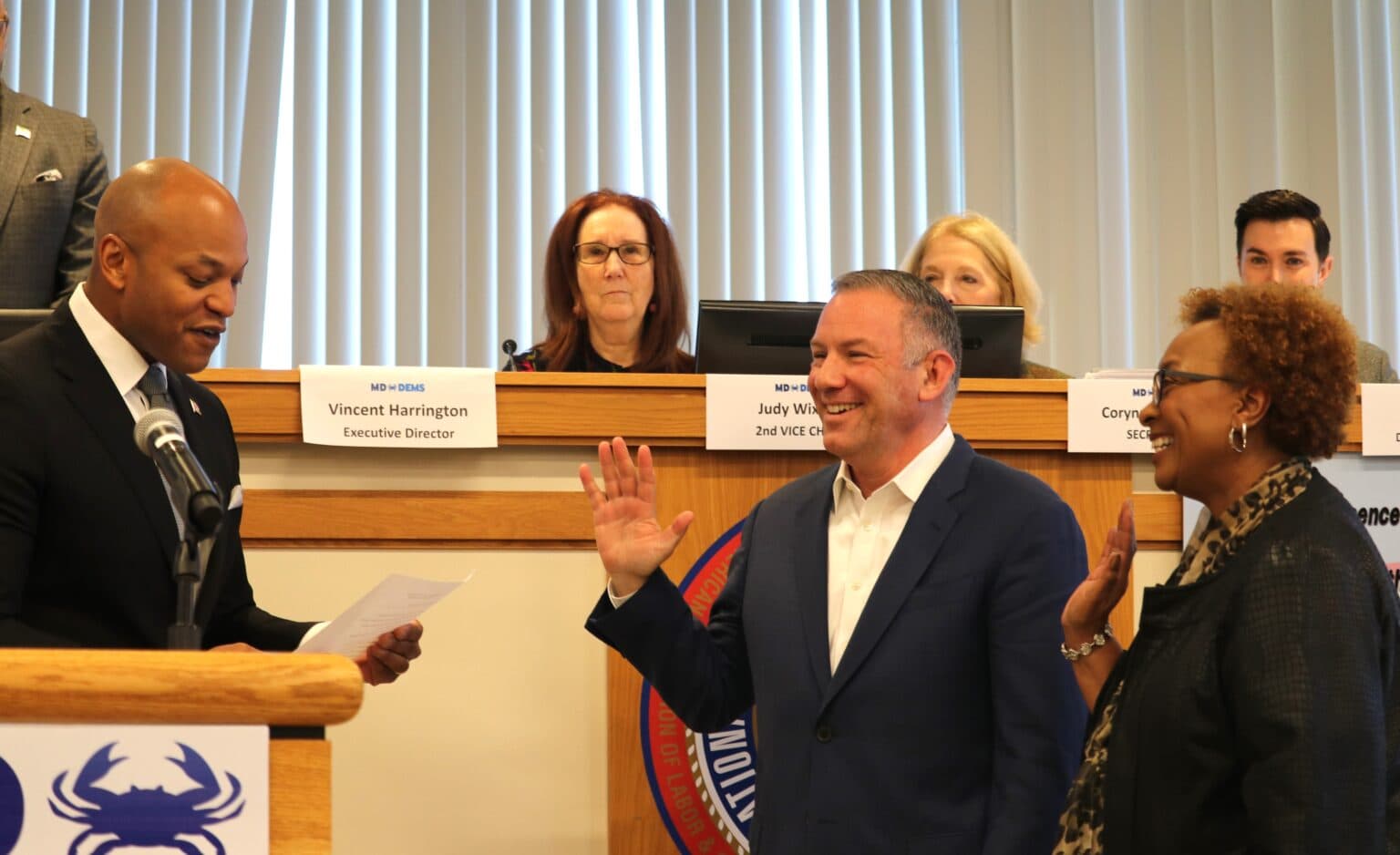
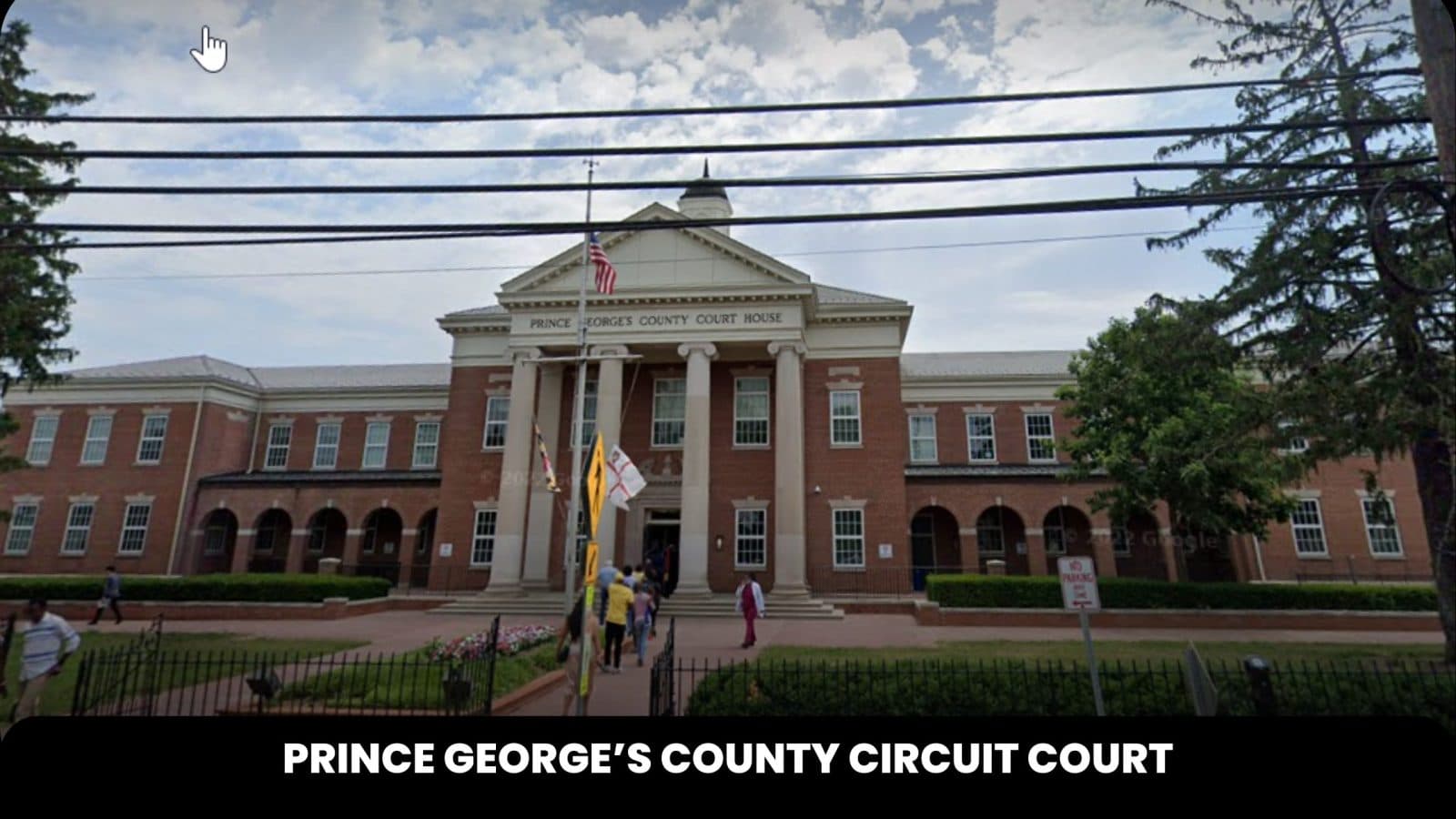
The county Democratic committee met in Lanham on Jan. 6 and publicly selected Derrick Coley, 51, to replace Del. Jazz Lewis, who resigned to accept a position with the University of Maryland. Coley’s nomination now goes to Governor Wes Moore, who has 15 days after receiving the committee’s recommendation to appoint a replacement to the Maryland House of Delegates.
Coley is a long-serving member of the Prince George’s County Democratic Central Committee and began serving this past summer as deputy director in the county Department of the Environment. His unanimous selection at the public hearing was supported by local leaders, including County Executive Aisha Braveboy and former Glenarden Mayor Obie Pinckney, who spoke at the committee meeting. The committee considered four applicants at the hearing: Coley, LaTasha Ward, Crystal Carpenter and Glenarden councilmember Cashenna Cross.
If the governor accepts the nomination, Coley would serve alongside Delegates Tiffany Alston and Andrea Fletcher Harrison, representing constituencies in Fairmount Heights, Glenarden and Glenn Dale. That continuity of representation will matter for local projects, constituent services and legislative priorities arising in Annapolis this session. Coley’s recent role in the county Department of the Environment suggests he may emphasize environmental and county-level regulatory issues if appointed.

The committee’s choice provides Coley with an organizational endorsement that could translate into advantages should he be appointed before the June 2026 Democratic primary. One of the applicants who appeared before the committee, LaTasha Ward, has said she intends to run in the June primary, signaling that the seat could see competitive intra-party voting despite the committee’s unanimous decision. That prospective contest highlights how vacancy appointments interact with electoral dynamics: a committee nomination can confer short-term incumbency and visibility, while a primary gives voters the opportunity to confirm or reject the committee’s selection.
The selection process underscores the central committee’s institutional role in filling legislative vacancies and raises questions about how party mechanisms and voter choice intersect in local democracy. For District 24 residents, the immediate implications are representation continuity and the potential for a contested primary that could refocus attention on local priorities such as environmental policy, community investments and constituent services. Voters in the district will have the opportunity to weigh those priorities in the June primary if Coley accepts the appointment and is challenged on the ballot.
Sources:
Know something we missed? Have a correction or additional information?
Submit a Tip