EEOC Charges Walmart, Sam's Club with Disability Discrimination
The U.S. Equal Employment Opportunity Commission filed a complaint alleging Sam's East, Inc. and Walmart Inc. refused to provide reasonable accommodations to a longtime Sam's Club employee and later discharged the worker because of disabilities. The case highlights employer obligations under the Americans with Disabilities Act and could affect workplace accommodation practices across large retailers.

The U.S. Equal Employment Opportunity Commission filed a complaint on December 8, 2025 charging Sam's East, Inc. and Walmart Inc. with violating federal disability discrimination laws. The EEOC alleges a longtime Sam's Club employee who sought to return after medical leave was not given reasonable accommodations for post concussion symptoms, chronic pain and related limitations, and was ultimately discharged because of those disabilities.
The complaint says the employer failed to engage in the interactive accommodation process required under the Americans with Disabilities Act. The agency claims managers did not discuss or explore effective accommodations when the employee sought to return to work, and that the worker was subjected to adverse employment actions instead of reasonable adjustments. The EEOC is seeking remedies that may include reinstatement, monetary damages, changes to company policies and injunctive relief to prevent future violations.
The case places a spotlight on how large retail employers handle post leave returns and chronic conditions that do not always fit neat medical categories. Retail workers frequently face scheduling demands, physical labor and inflexible roles that can make accommodation discussions more complicated. For employees, the complaint underscores the right to an individualized assessment of limitations and a cooperative process between worker and employer to identify accommodation options.

For Walmart and Sam's Club, the allegation raises potential reputational and operational consequences. Remedies sought by the EEOC could require adjustments to training, documentation practices and frontline supervision. The complaint also signals that the agency is watching how major employers implement ADA obligations in customer facing and warehouse roles.
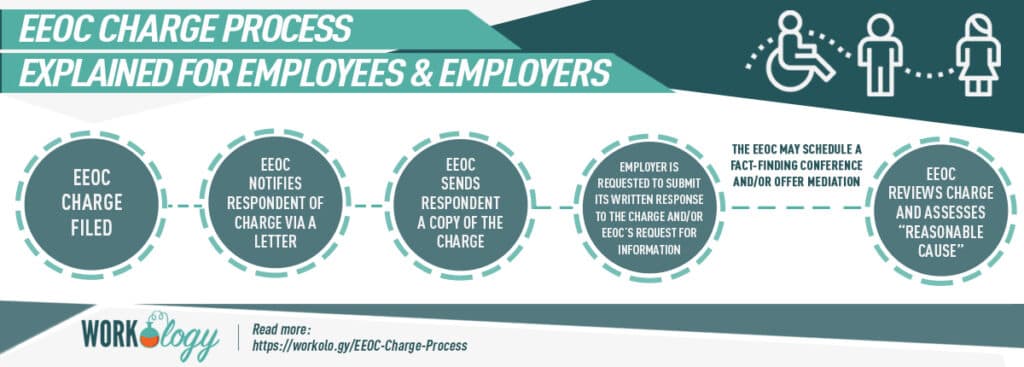
EEOC enforcement typically begins with an investigation and may proceed to conciliation or litigation if parties cannot reach agreement. For workers, this case is a reminder to document medical restrictions and to request and follow up on accommodation discussions in writing. For employers, it reinforces the legal expectation to engage meaningfully with employees who report disabilities and to tailor accommodations where feasible to avoid discriminatory outcomes.