How Walmart Workers Can File Workplace Discrimination Charges
Federal guidance explains how employees and job applicants can file charges of workplace discrimination, including claims based on disability, race, sex, age, national origin, religion and retaliation. The guidance spells out who may file, filing deadlines, what information a charge must include, how to submit a charge, and what happens after filing, which matters for Walmart employees weighing whether to raise complaints or seek legal relief.
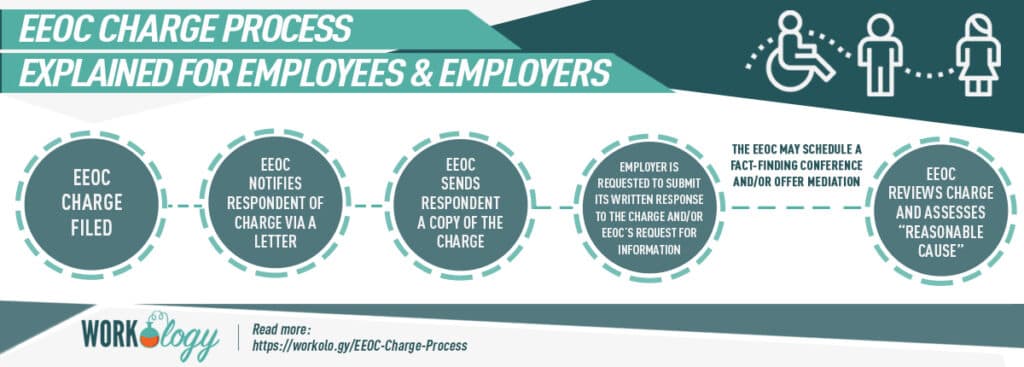
Federal guidance sets out the procedural steps Walmart workers should follow if they believe they experienced discrimination at work. It clarifies that employees and job applicants may file charges for disability, race, sex, age, national origin, religion and retaliation claims, and that filing deadlines are strict, typically 180 or 300 days depending on state law. Missing these deadlines can foreclose administrative remedies and the ability to pursue a federal lawsuit.
The guidance explains what information a charge must include, and offers multiple ways to file. Workers can submit a charge online, by mail, or at a regional field office. After an initial intake, the process may move to mediation or conciliation in an effort to resolve the matter without prolonged investigation. If conciliation fails, the agency may investigate, and the sequence can end with a right to sue notice that allows an employee to pursue litigation in court.
For Walmart employees this procedural roadmap affects both individual decisions and broader workplace dynamics. Knowing the timelines and filing options means workers can preserve claims by acting promptly and by documenting incidents, witnesses, communications and any requests for accommodation. Mediation and conciliation options offer faster resolution for some disputes, while formal investigation can lead to corrective measures or a right to sue, which has implications for legal exposure and company practices.

The guidance also underscores protections against retaliation, which aim to shield employees who file charges or participate in investigations. Walmart managers and human resources teams must recognize those protections, because adverse actions taken in response to a complaint can become additional claims. At the same time, high volumes of claims can affect store morale and labor relations, making early intervention and clear communication important.
Because state deadlines and procedural details vary, employees should confirm the applicable time limit for filing in their jurisdiction and use the available filing channels promptly. The procedural steps and timelines in this guidance serve as the primary federal roadmap for raising workplace discrimination and accommodation claims, and they remain a key reference for workers, advocates and counsel navigating employment disputes.