Eighteen migrants drown off Greek island Chrysi, two rescued
Eighteen migrants have drowned after their boat overturned 26 miles south of the tiny island of Chrysi, Greek authorities say, highlighting renewed maritime risks as crossings rise. Two people were pulled from the sea and survivors are being taken to Crete, underlining growing pressure on rescue services and European migration policy.

Eighteen migrants have drowned and two have been rescued after a small vessel overturned 26 miles, or 40 kilometers, south of the southern Greek island of Chrysi, the Hellenic Coast Guard said on Saturday. A Turkish cargo ship first detected the stricken boat and alerted Greek authorities, who mounted a response that led to the recovery of the two survivors and transfer of those pulled from the water to the island of Crete.
The incident marks another deadly episode in a pattern of maritime accidents that have returned to prominence in recent months. Greece was on the front line of a migration crisis a decade ago when more than one million people crossed into Europe in 2015 and 2016. Flows then subsided, but officials and aid agencies have reported a steep rise in migrant boats over the last year, with many departures from Libya toward Crete, the southern island of Gavdos and Chrysi. Fatal accidents at sea remain tragically common.
The immediate operational burden falls on the coast guard and local emergency services. Crete, the largest of the Greek islands in the southern Aegean, has repeatedly been a landing point for boats from North Africa and the eastern Mediterranean. Bringing survivors ashore requires search and rescue assets, medical triage and short term shelter, placing strain on regional resources that are also crucial to local economies dependent on tourism and maritime trade.
Beyond the humanitarian urgency, the sinking exposes persistent policy gaps across Europe. Migration management remains a contested area within the European Union, where member states have struggled to reconcile border control, asylum processing and burden sharing. The return of higher crossing numbers prompts renewed debate over investment in maritime surveillance, expanded search and rescue capacity and coordinated reception facilities. Without more predictable arrangements, frontline states are left to absorb the costs and political fallout.
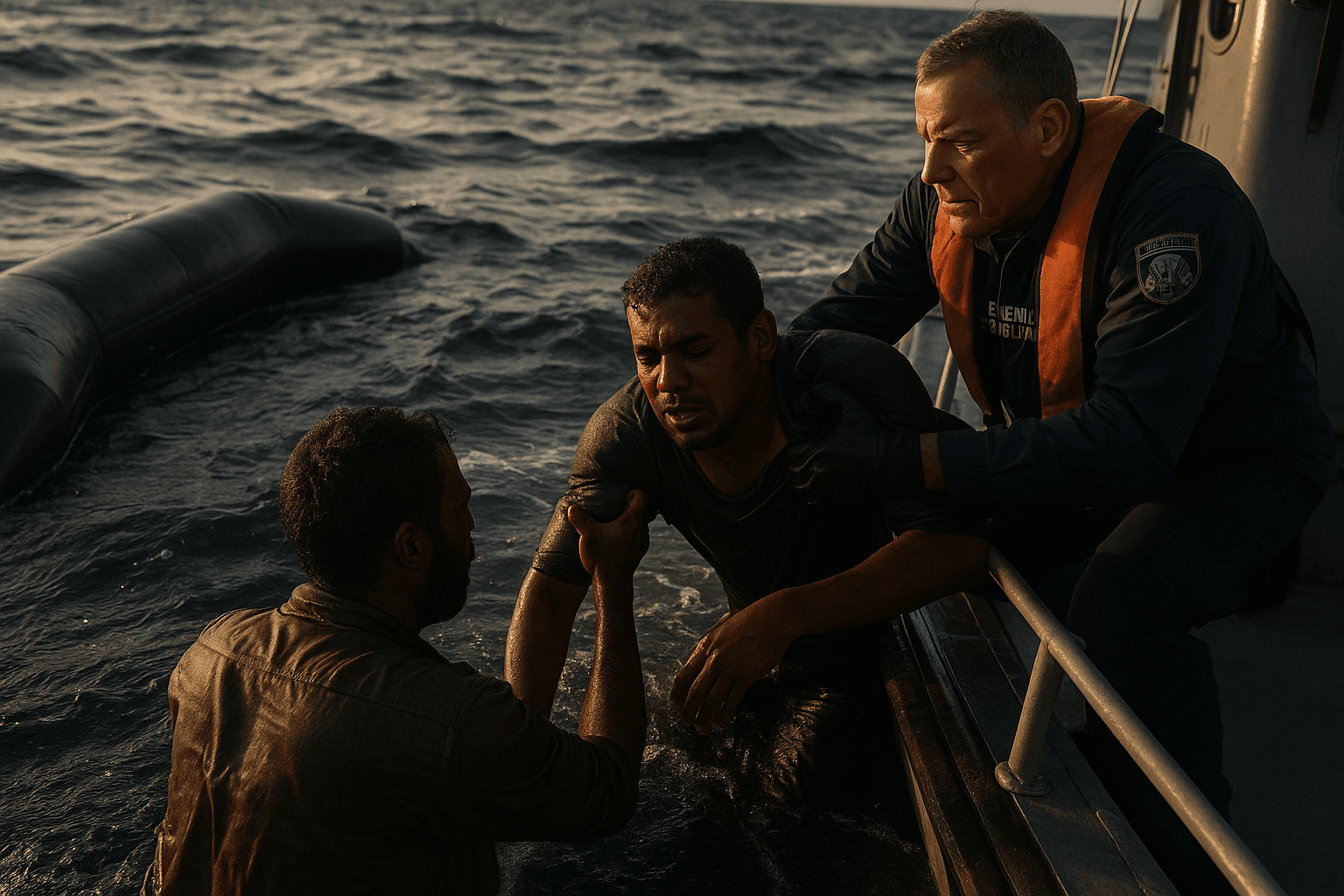
Merchant vessels such as the Turkish cargo ship that detected the vessel continue to play a vital role in at sea rescues, underscoring the limitations of state surveillance in expansive maritime zones. The prevalence of small, often unseaworthy boats on long routes from Libya increases the likelihood of capsizes and mass casualties, a reality that aid organizations say requires both immediate lifesaving measures and longer term efforts to reduce incentives for dangerous journeys.
The human toll of Saturday’s sinking will likely intensify scrutiny of Greece’s coastal monitoring and of European migration policy ahead of winter months that traditionally see harsher sea conditions. For the families of those lost, the event is a further reminder that while migration flows ebb and surge, the risks endured by those who cross the Mediterranean remain severe and recurrent. Reporting by Lefteris Papadimas. Editing by Kevin Liffey.