India and United States to Reconcile Findings at NTSB Next Week
Indian and U.S. investigators will meet at National Transportation Safety Board headquarters next week to review cockpit voice and flight data recorder material from the June Air India Boeing 787 crash, Bloomberg reported. The session aims to harmonize technical analyses from parallel probes, a step that could affect regulatory recommendations and international safety oversight.
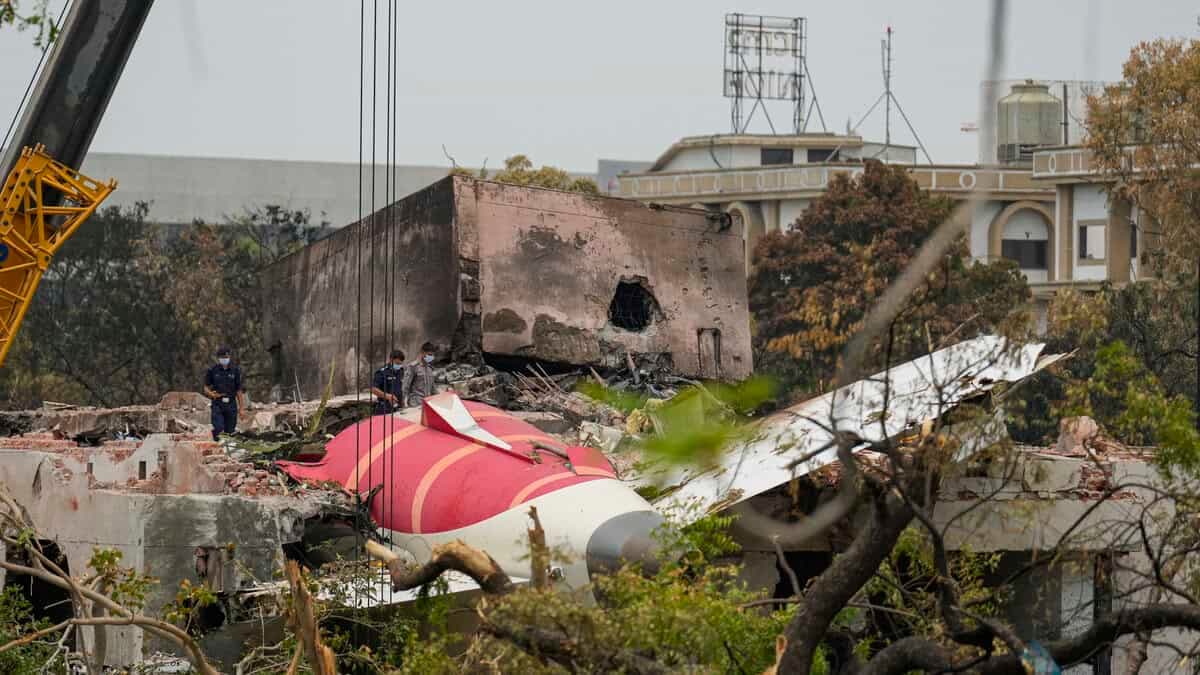
Indian and U.S. investigators will convene next week at the National Transportation Safety Board headquarters in Washington to review key recorder evidence and align technical analyses related to the deadly June crash of an Air India Boeing 787, Bloomberg reported on Friday. Delegations from India’s Aircraft Accident Investigation Bureau and the NTSB are scheduled to examine cockpit voice and flight data recorder information, coordinate laboratory testing and reconcile forensic findings, according to media reporting of the planned meeting.
The June accident, which occurred on a flight from Ahmedabad to London, resulted in a heavy loss of life and has prompted parallel inquiries by India, the United States and other national aviation regulators. Representatives from Boeing and other parties involved in the aircraft and its certification process are expected to attend the Washington sessions, reflecting the transnational nature of modern aviation inquiries and the complex technical issues at stake.
The meeting comes as investigators seek to reconcile disparate strands of evidence gathered in different countries. Under international aviation practice guided by Annex 13 to the International Civil Aviation Organization, states of occurrence and state of registry share roles in accident investigation while manufacturers and other involved parties participate as accredited representatives. The Washington discussions are designed to bring together recorder forensics, component testing and systems analysis to produce a coherent factual record that can underpin safety recommendations.
For India the process is especially sensitive. The Aircraft Accident Investigation Bureau is leading the official probe as the state of occurrence and has been under domestic pressure to produce a thorough and transparent accounting of the causes. For the United States the involvement centers on technical expertise, laboratory capacity and the interests of the manufacturer. Boeing faces intensified scrutiny in multiple jurisdictions as regulators and carriers review operational procedures and aircraft systems.
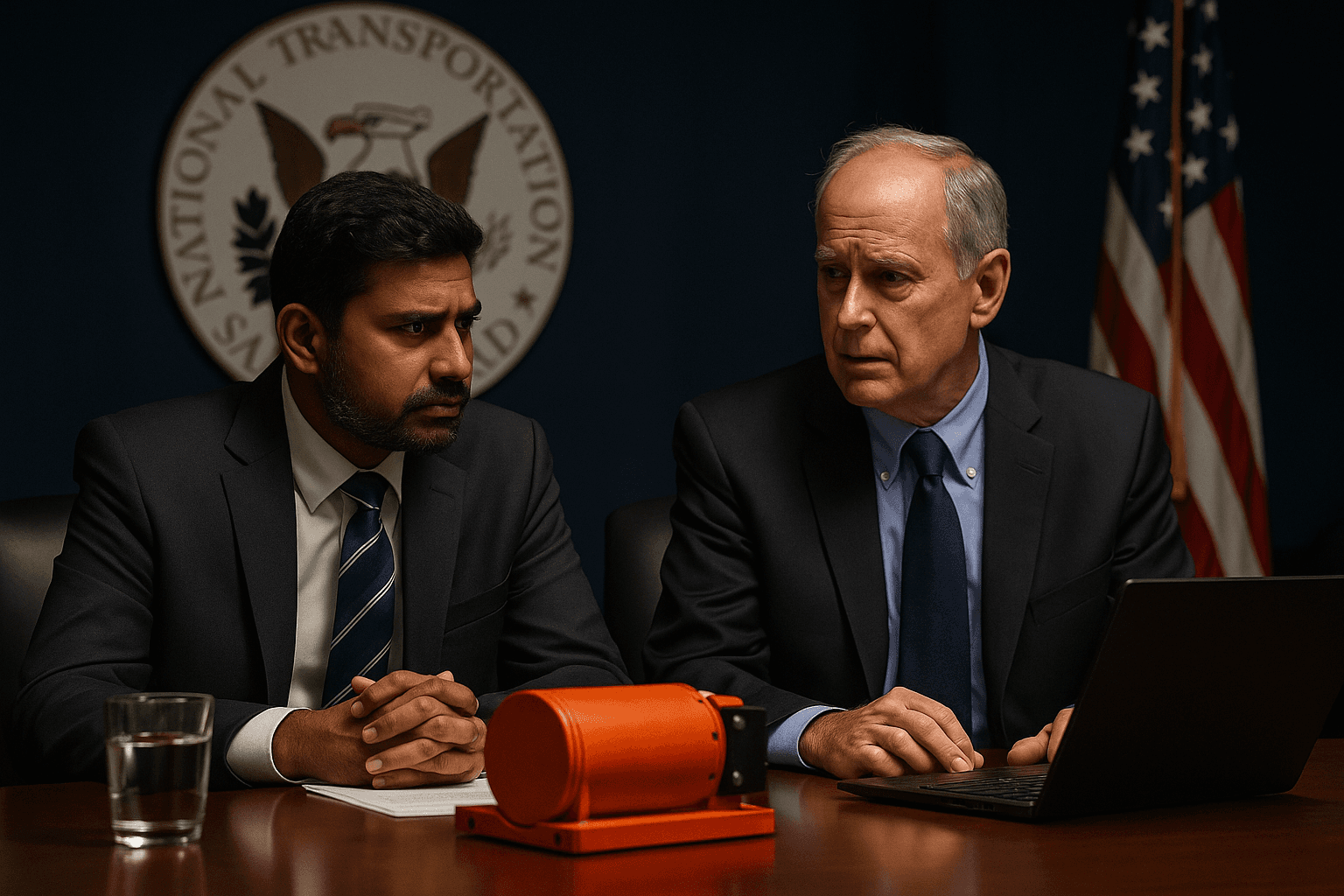
The outcome of the meeting could shape the timing and content of regulatory and safety recommendations, with implications for certification practices, inspection protocols and industry oversight across borders. Harmonized findings are likely to influence whether national regulators adopt common corrective measures or pursue divergent remedies, a dynamic that matters to airlines, manufacturers and passengers worldwide.
Beyond technical conclusions, the session will test mechanisms for cross border cooperation in complex investigations at a moment of heightened geopolitical sensitivity in U.S. India relations. Effective coordination could strengthen global safety governance by demonstrating a shared commitment to evidence based remedies. Conversely, unresolved differences over interpretation of recorder data or laboratory results could complicate efforts to implement unified safety fixes and prolong legal and regulatory disputes.
Officials have framed the meeting as a technical effort to reconcile data and methodology before public release of final findings. The coming week in Washington is likely to be pivotal in determining the trajectory of the wider inquiry and its consequences for international aviation safety.