Pakistan Army Labels Imran Khan Mentally Ill, Warns of Security Risk
In a rare and confrontational televised briefing, the Pakistan army publicly described imprisoned former prime minister Imran Khan as a “mentally ill person” and a “narcissist,” saying his public messaging now poses a national security threat. The comments escalate a months long standoff between the Pakistan Tehreek e Insaf and the military at a moment when the new chief of the armed forces has just been formally notified.
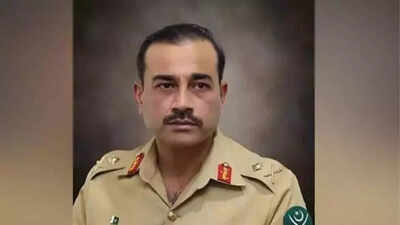
The public intervention by the Inter Services Public Relations Directorate marks a striking intensification of rhetoric in Pakistan's fraught civil military relations. In a televised briefing on December 6, 2025, ISPR Director General Lt. Gen. Ahmed Sharif Chaudhry characterized Imran Khan as “a mentally ill person,” and as a “narcissist,” and accused the former prime minister of cultivating an anti army narrative that now amounts to a threat to national security. The remarks followed recent questions raised by the military about how visitors to the incarcerated politician were allegedly able to coordinate messaging from inside prison.
The statement arrived days after the formal notification of Field Marshal Asim Munir's appointment as Chief of Defence Forces, a development that has already reshaped power dynamics in Islamabad. The ISPR commentary, coming directly from the armed forces' public affairs arm, underlines how entrenched the standoff between Khan's Pakistan Tehreek e Insaf and the military establishment has become. Government ministers defended the ISPR briefing and emphasized that any decisions about legal action remain the responsibility of civilian authorities.
Analysts warn that the open personal attack on a leading opposition figure represents a departure from the more guarded public posture armies often maintain in democratic states. Pakistan has long experienced a contested boundary between military influence and civilian rule, and today's televised denunciation risks deepening political polarisation. For supporters of Khan the language is likely to be seen as an attempt to delegitimise his movement, while for his critics it may be read as justification for tighter restrictions.
The immediate legal and political consequences are unclear. Civilian institutions have been placed in a delicate position. Ministers publicly affirmed that legal avenues lie with prosecutors and courts, yet the vigor of the military's public messaging could exert pressure on those institutions and shape public opinion ahead of any judicial processes. The intersection of security language and political contestation raises questions under domestic law and international norms concerning the rights of detained political actors, due process, and freedom of expression.
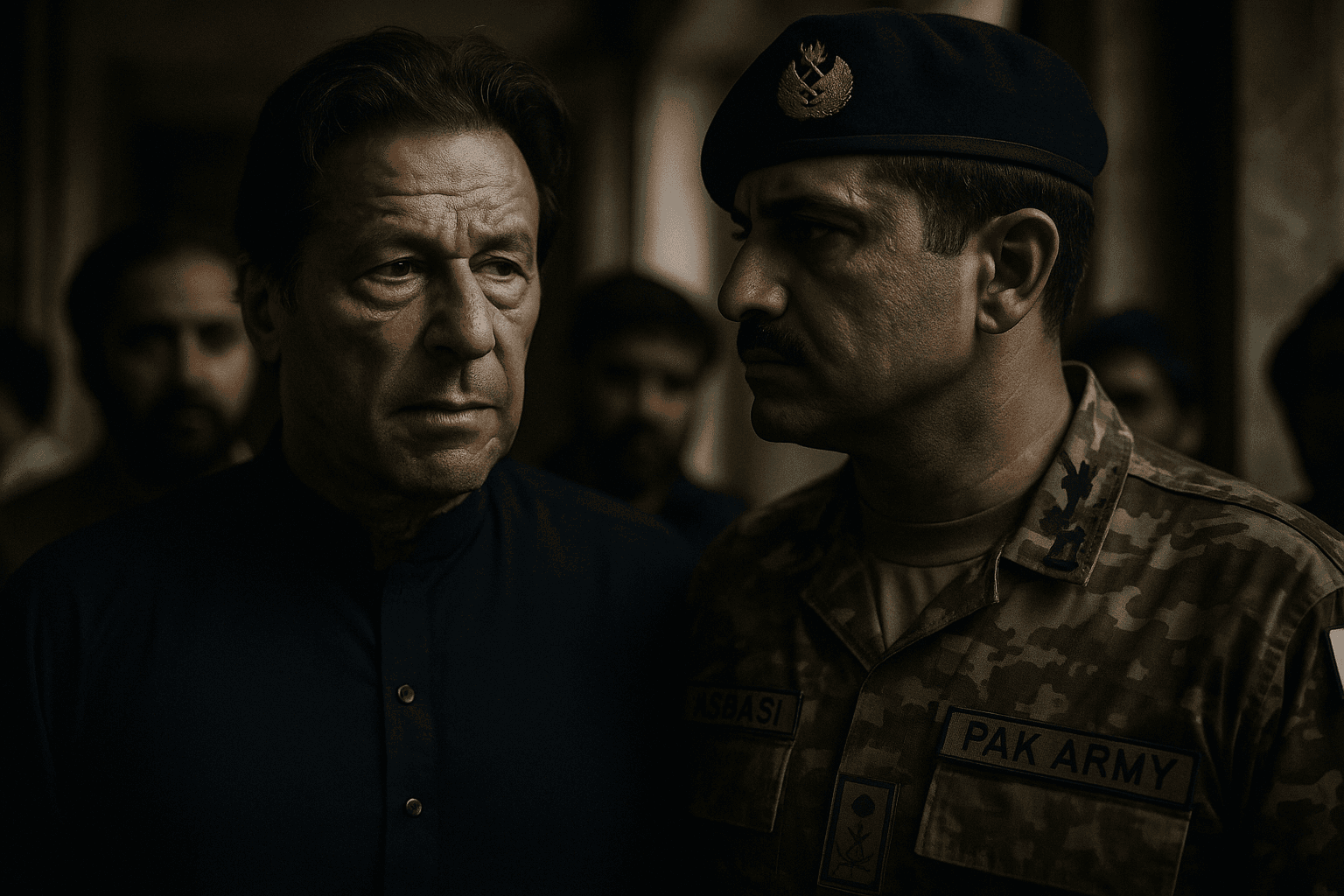
International observers will be watching for how the civilian government responds, and whether independent institutions uphold legal norms. Western governments and multilateral organizations often frame such episodes through the lens of democratic backsliding and rule of law concerns, while regional neighbours monitor stability implications for security cooperation and economic ties. The use of psychiatric language in the army's description is likely to draw scrutiny from human rights advocates who track the treatment and portrayal of political detainees.
As Pakistan enters a new chapter under the leadership of the armed forces, the confrontation between a highly visible opposition leader and the military establishment is set to define the country's political atmosphere. The balance between national security claims and the protections afforded to political dissenters will be central to how events unfold in the coming weeks.