Eni brings Phase Two online, Congo LNG cargo due 2026
Italian energy major Eni announced that Phase 2 of its Congo liquefied natural gas project has started up ahead of schedule, a development that boosts the country’s export capacity and energy sector revenues. The move positions the Marine XII development to deliver its first LNG cargo in early 2026, a signal to global buyers and markets that new African supply is coming online.
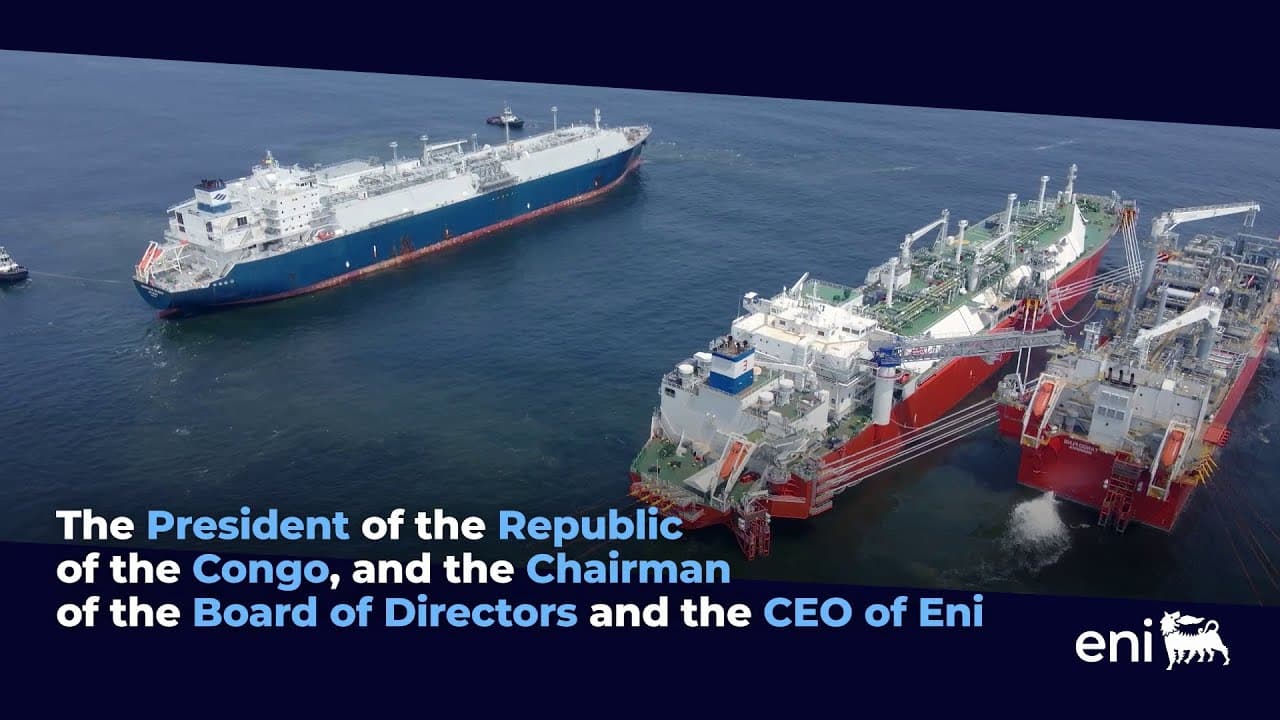
Eni announced on Dec. 2, 2025 that Phase 2 of its Congo LNG project has started up ahead of schedule, with gas introduced into the new offshore system and commissioning activities underway. The phase includes arrival and commissioning of the Nguya floating liquefaction unit, the integration of three production platforms and the repurposing of the Scarabeo 5 unit for gas treatment and compression. Together with the existing Tango FLNG, the combined configuration raises project capacity to about 3 million tonnes per annum, roughly 4.5 billion cubic metres.
Phase 2 complements the smaller Tango FLNG, which has capacity of about 0.6 million tonnes per annum, by adding the larger Nguya unit at approximately 2.4 million tonnes per annum. The development enables full exploitation of the Nené and Litchendjili fields on the Marine XII license and is designed to handle a range of gas compositions while incorporating technologies aimed at lowering emissions.
The accelerated start of Phase 2 matters to markets because the additional production represents a tangible increase in African LNG supply at a time when buyers are seeking diversified sources. Eni said the project is positioned to deliver its first LNG cargo in early 2026, a timetable that will draw attention from trading houses and downstream buyers as they shape procurement decisions for next year. New cargoes from Congo could influence short term spot dynamics in Atlantic basin trade corridors and provide counterparties with alternative sourcing outside traditional suppliers.
For Congo Brazzaville, the project carries immediate economic implications. Eni emphasised local industrial participation and the role of gas in supporting domestic power generation and the government’s economic development programs. Increasing export volumes should lift hydrocarbon revenues and create industrial opportunities in services, fabrication and logistics. The Scarabeo 5 conversion into a gas treatment and compression unit is an example of local value creation in the operations phase.

From a policy perspective, the development speaks to competing priorities in energy producing countries. Gas projects can underpin revenue growth and electrification efforts while also raising questions about long term climate commitments. Eni’s incorporation of emissions reducing technologies on the Nguya unit reflects industry efforts to lower the carbon footprint of new LNG supply, and it fits broader international conversations about the role of gas in a transition to lower carbon energy systems.
Technically, the use of floating liquefaction platforms in the Congo project underscores a broader shift toward modular, offshore solutions that can accelerate final investment decision cycles and first production. If the first cargo arrives as anticipated in early 2026, the project will offer a case study in how FLNG can deliver relatively quick additions to export capacity. Markets and policymakers will watch both the commercial uptake of the cargoes and the extent to which local economic benefits and environmental safeguards materialise as production ramps up.