Essential beginner bonsai toolkit and practical usage primer
A compact toolkit explains essential bonsai tools and how to use them. It helps beginners pick, use, and care for tools for shaping, pruning, and repotting.
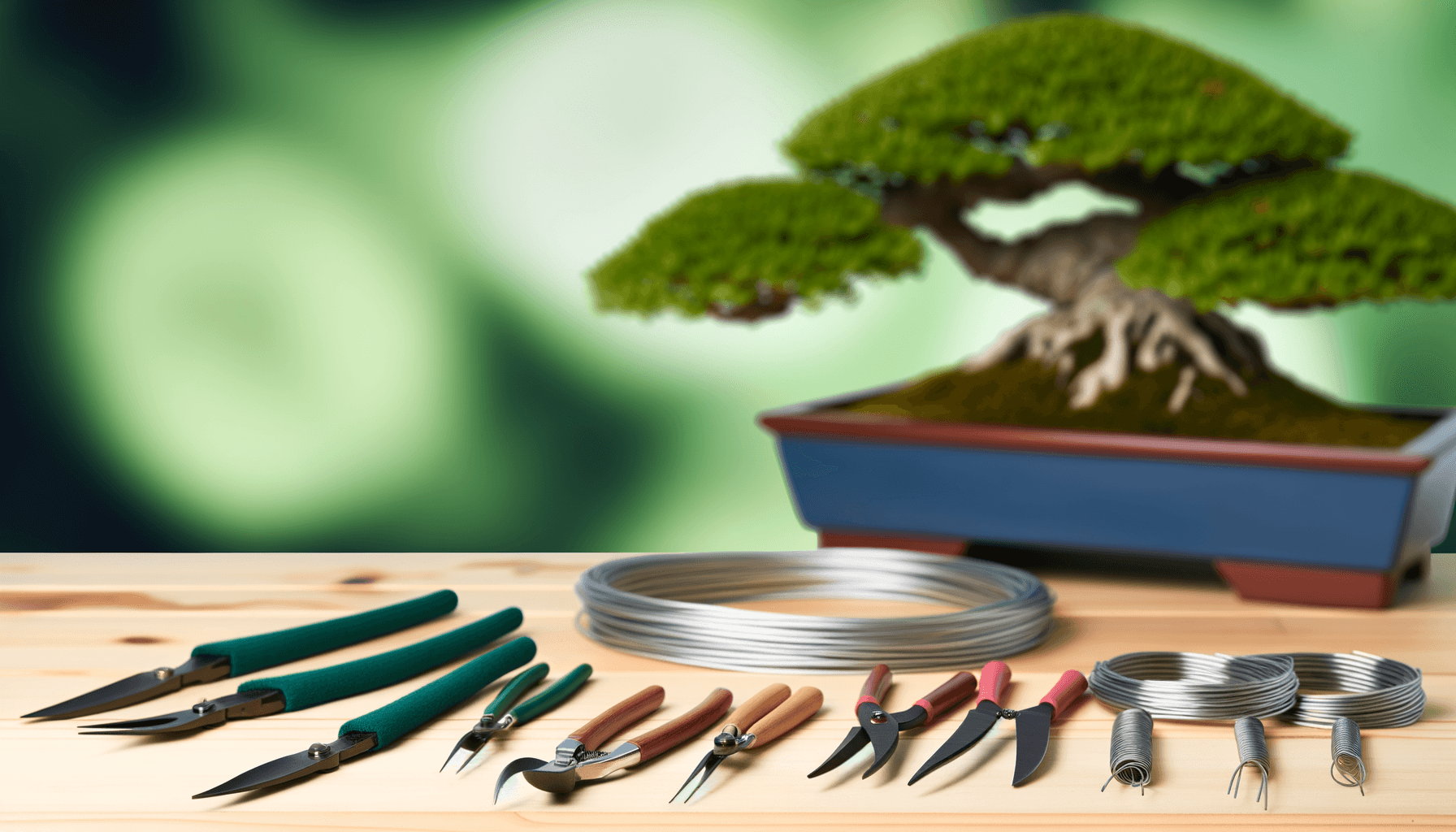
Getting started with bonsai hinges on having a few reliable tools and knowing how to use them. This primer lays out the compact set most beginners need, why each item matters, and simple maintenance steps to keep gear working for years. Clear tools and proper technique make the difference between shaping a tree and leaving lasting scars.
Cutting tools are the foundation. A pair of twig shears or fine scissors gives precise control for trimming shoots and new growth. Concave branch cutters remove larger limbs cleanly and produce a better healing scar than generic loppers, so prioritize a true concave cutter for branch work. Root scissors let you work close to the rootball during repotting, giving fine control when pruning roots and shaping the nebari.
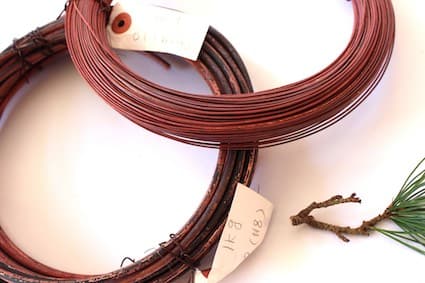
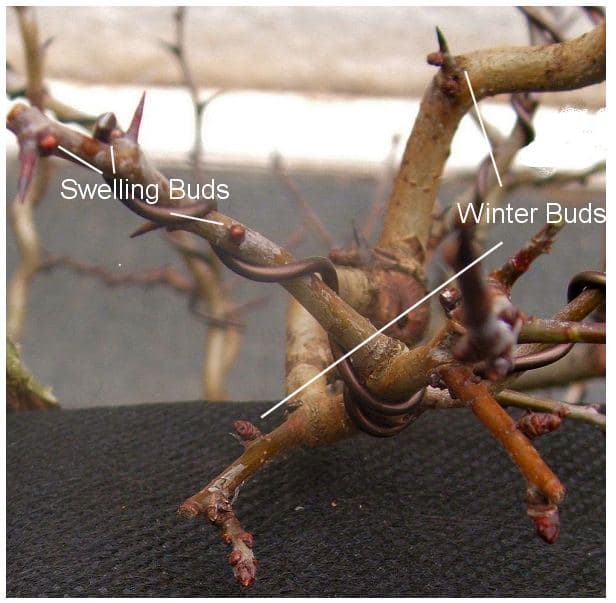
Shaping requires wire and protection. Aluminum or copper wire is used to position branches and create movement; wire gently and check it often to avoid wire bite. Use branch protectors or padding where wire contacts bark, especially on thin or fragile branches. Wiring is a time-sensitive technique—reapply or remove wire as the branch sets to prevent permanent damage.
Root work and soil handling are hands-on. Chopsticks or a root rake tease roots and remove old soil without damaging fine hairs. Soil sieves and a selection of bonsai soil mixes keep particle size consistent for proper drainage and oxygenation; use mesh in pots to maintain drainage while preventing soil loss through drain holes. A moisture meter is optional but helpful for new growers learning watering frequency.
Watering and humidity tools simplify daily care. A watering can with a fine rose delivers even, gentle watering without displacing soil. A humidity tray helps sensitive species in dry indoor environments. These simple tools make consistent moisture management easier and reduce shock after pruning or repotting.

Buy smart, not flashy. Start with a modest, well-reviewed set and avoid very cheap tools with thin metal blades that bend or dull quickly. Secondhand tools from club swaps or experienced growers often represent better value than new low-end kits. Prioritize sharpness and comfortable handles over brand names.
Maintain tools for longevity. Sterilize blades between trees to prevent disease transfer, oil metal parts to avoid rust, and resharpen as needed to keep cuts clean. A well-maintained concave cutter and sharp shears deliver cleaner wounds and faster healing.
The takeaway? Invest in a few quality, fit-for-purpose tools, learn the few key techniques—clean cuts, gentle wiring, careful root work—and practice regularly. Our two cents? Comfort and sharpness beat logos; a few good tools and routine care will keep your trees healthier and your bonsai work more satisfying.
Sources:
Know something we missed? Have a correction or additional information?
Submit a Tip