EU Labels Caffeine Harmful If Ingested for High‑Dose Products
On January 5, 2026 the EU updated chemicals law to place caffeine into a hazard category described as "harmful if ingested" for specific high‑dose applications, targeting concentrated industrial preparations, supplements and certain pesticide uses. The change stops short of banning normal dietary coffee or tea but will prompt clearer warnings, tighter labelling and renewed scrutiny of ultra‑high‑caffeine products marketed to young people.
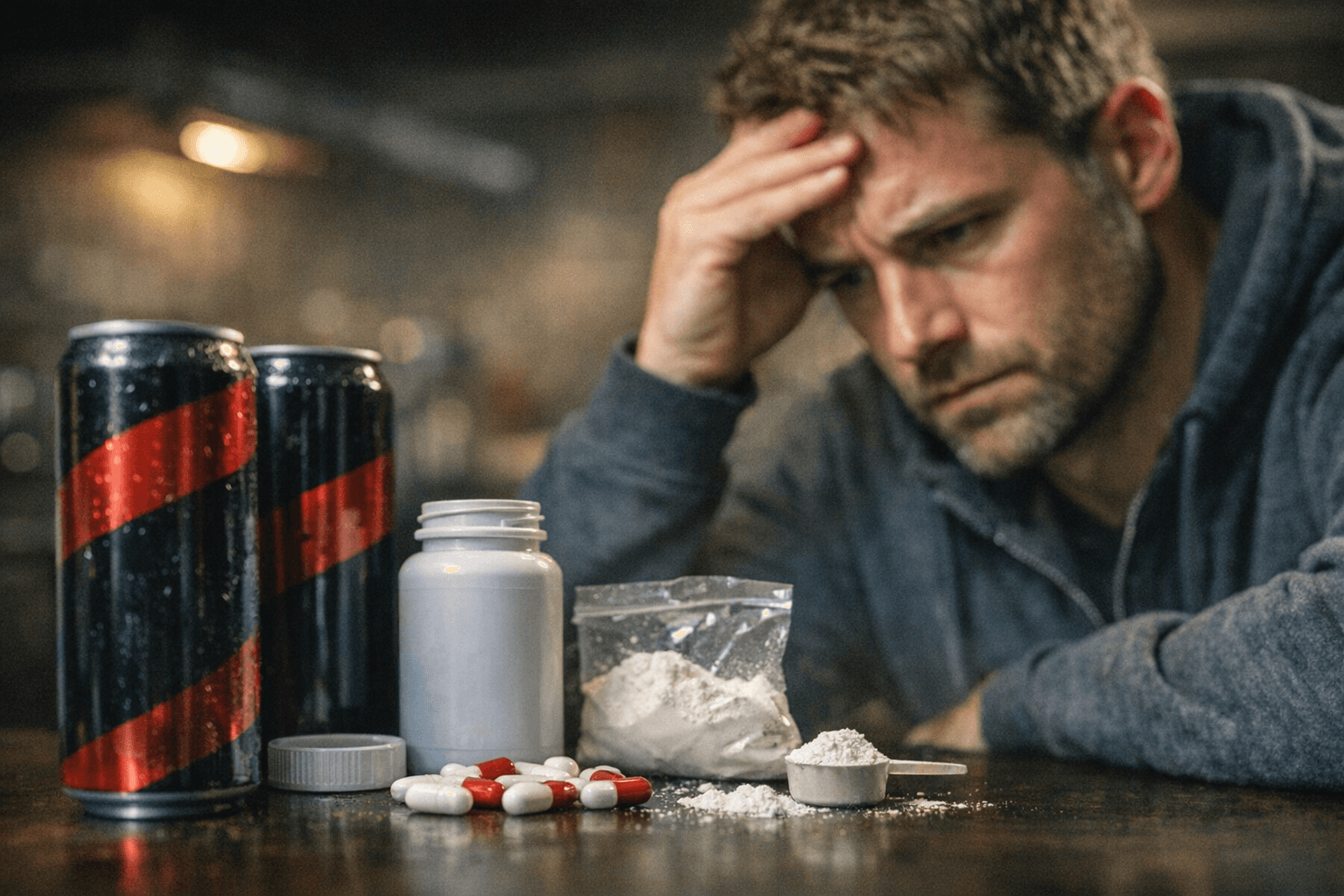
European regulators changed how caffeine is classified under the bloc’s chemicals legislation on January 5, 2026, drawing on analyses by the European Food Safety Authority that focused on high‑dose exposures. The reclassification places caffeine in a hazard category described as "harmful if ingested" for concentrated preparations and some non‑food uses. Routine consumption of coffee, tea and mainstream energy drinks remains legal and unaffected as a general ban, but the regulatory shift zeroes in on concentrated industrial products, dietary supplements and certain pesticide applications where doses can exceed typical dietary intake.
The practical upshot is concrete. EFSA guidance referenced in the decision sets a commonly cited safe intake threshold at about 400 mg per day for most healthy adults, with lower thresholds for pregnant people and children. Regulators and manufacturers will now assess where products fall relative to those thresholds and adjust packaging and labelling accordingly. Expect more prominent caffeine content disclosure, ingredient warnings, and potentially new advisory statements on supplements and ultra‑concentrated formulations.
Retailers, roasters and cafes do not need to change how they serve single cups of coffee immediately, since ordinary single servings generally remain within commonly accepted intake ranges. However, businesses that sell concentrated brews, ready‑to‑drink shots, caffeine pills or high‑caffeine energy products should review product information and packaging now. Verify total caffeine per serving and per container, and update disclosures so consumers can compare doses against EFSA guidance, particularly for products that could deliver multiple servings at once.
The move will likely accelerate policy debates at national level about age limits and marketing practices for high‑caffeine beverages. Some member states may pursue age‑related sales restrictions or tighter controls on youth‑oriented branding, while manufacturers may shift toward lower‑caffeine formulations or stronger disclosure as a risk‑management strategy. Supplement makers face a near‑term need to review warning panels, serving instructions and maximum recommended doses.
For consumers, the immediate actions are simple: check labels on supplements, shots and energy products; limit intake if a product’s stated caffeine content approaches or exceeds the EFSA guidance; and be especially cautious with children and pregnant people. For the coffee community, this update is less a prohibition than an inflection point in how caffeine is presented and policed across Europe—expect clearer labels, more transparent caffeine counts and a regulatory conversation that could reshape some corners of the market.
Sources:
Know something we missed? Have a correction or additional information?
Submit a Tip
%3Astrip_icc()%2Fstarbuckspistachio-66e7ade562264fffb048b8975ea766c7.png&w=1920&q=75)