Eugene Council Backs Plan to Explore Joint Fire and EMS Governance
On December 11 the Eugene City Council voted to support exploring a jointly governed agency to oversee local fire and emergency medical services, signaling a shift toward regional coordination. The move could reshape how emergency response is managed across jurisdictions, with potential effects on service efficiency, oversight, and community accountability in Lane County.
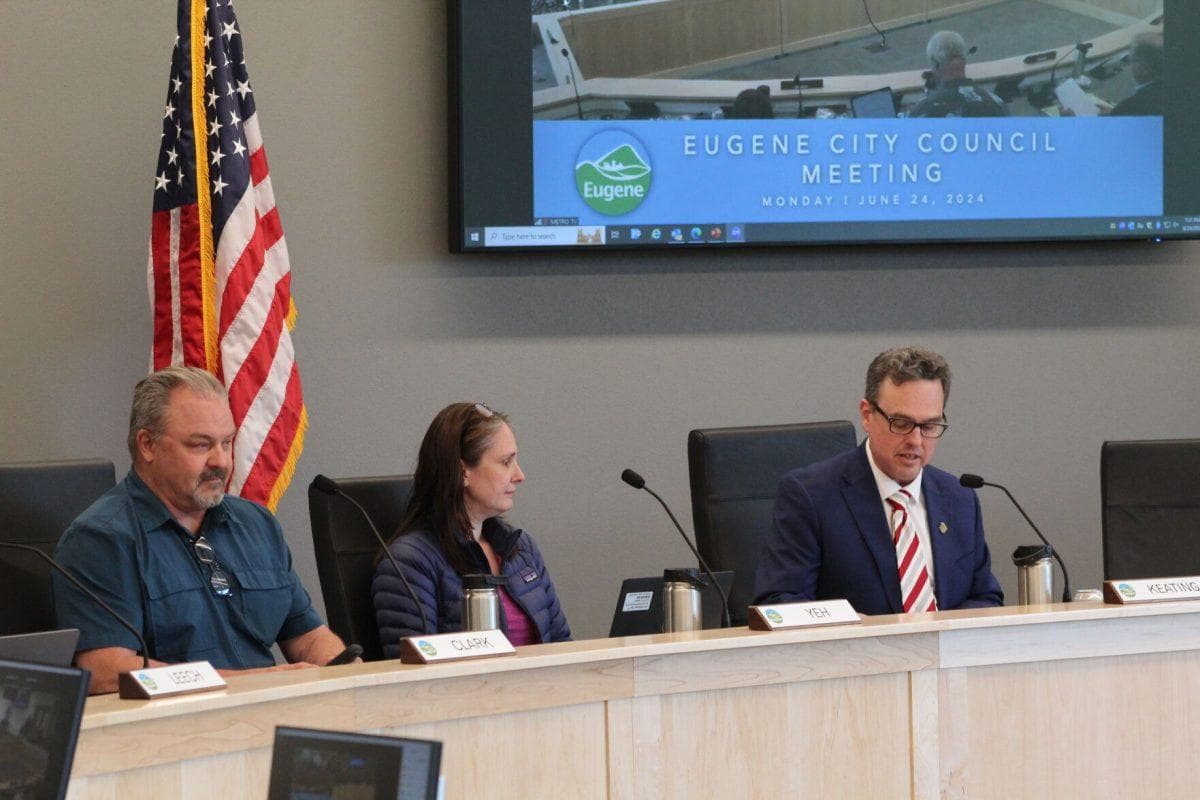
The Eugene City Council on December 11 approved a directive asking staff to develop a proposal for a jointly governed agency to run fire and emergency medical services. Councilors framed the step as the start of a planning process that would examine shared oversight across the city and other jurisdictions, which may include neighboring cities or special districts, with the stated goals of improving coordination and operational efficiency.
Council debate focused on governance structures and the practical aims of regional collaboration. Supporters emphasized the potential for better coordinated responses and streamlined administration of fire and emergency medical services. Questions centered on how oversight would be apportioned, how partners would be engaged, and how community accountability would be preserved as governance shifted from a single city department to a jointly governed entity.
Under the approved direction staff will draft a detailed plan and begin outreach to potential partners and stakeholders. That work is expected to identify legal frameworks, funding models, operational changes, and a timeline for further action. The council decision does not itself create a new agency, but it authorizes the next stage of analysis and negotiation.

For local residents the proposal carries practical implications. A jointly governed agency could lead to more consistent standards across municipal boundaries, changes to dispatch and deployment protocols, and altered administrative oversight. It may also influence long term capital planning and how communities fund emergency services. At the same time residents can expect a period of public engagement as officials develop the proposal and seek input from neighboring jurisdictions, labor groups, and community organizations.
The move places Eugene within a broader trend of municipalities reexamining how public safety services are governed and coordinated across boundaries. As staff work through the policy and legal details, Eugene residents will have opportunities to follow planning meetings and provide input on governance, accountability, and service priorities that affect safety across Lane County.
Sources:
Know something we missed? Have a correction or additional information?
Submit a Tip