Lane County residents demand road adoption, raise safety concerns near Riviera Center
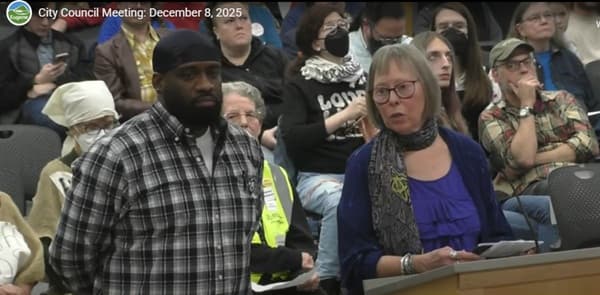
At a December 12 Lane County commissioners meeting, Northwest Eugene residents urged the county to accept local access roads into the county road system, citing financial strain and legal liability for homeowners. Commenters also pressed commissioners about growing drug activity and public safety issues near the Riviera Center Navigation Center, calling for alternative locations and stronger mitigation and communication from county officials.
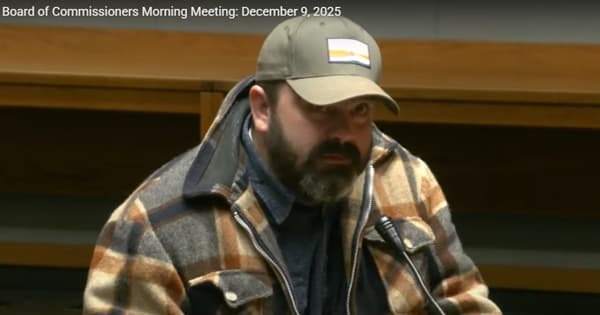
On December 12, a group of Northwest Eugene petitioners pressed Lane County commissioners to adopt a network of local access roads that currently remain the financial and legal responsibility of homeowners. Petitioners said roughly 95 percent of residents canvassed support having these roads accepted into the county road system to avoid costly out of pocket maintenance and potential legal exposure. Commissioners heard testimony that homeowners face regular maintenance bills and the prospect of private liability for accidents or infrastructure failures on these privately maintained public access routes.
The road acceptance request raises immediate fiscal and institutional questions for county government. Accepting additional roads into the county system would shift maintenance obligations and liability onto the county and require analysis of long term maintenance costs, prioritization within existing road budgets, and possible adjustments to funding or capital plans. For affected homeowners, county adoption could relieve recurring expenses and clarify legal responsibility. For taxpayers countywide, adoption could change maintenance schedules and budget allocations for years to come.
Speakers at the meeting also focused attention on the Riviera Center area, where the county operates a Navigation Center. Neighbors described increases in drug activity and public safety concerns and asked commissioners to consider alternative locations and mitigation measures. Public commenters debated the costs of social service programs, the neighborhood impacts they produce, and how program outcomes are tracked and communicated. Many urged more responsiveness and clearer communication from county officials about siting decisions, enforcement strategies, and services linked to the Navigation Center.

The dual set of demands highlights a broader governance challenge for Lane County. Commissioners must weigh neighborhood quality of life and public safety alongside obligations to provide services for people experiencing homelessness. They must also confront fiscal realities of expanding the county road inventory while maintaining transparency about costs and timelines. The high level of canvassed support for road acceptance demonstrates active civic engagement and creates political pressure for a clear administrative response.
The matters raised at the December 12 meeting will require technical review, legal analysis, and fiscal estimates before any formal action. Residents left the meeting seeking clearer timelines, stronger community outreach, and data driven responses to both road adoption and Navigation Center impacts.
Sources:
Know something we missed? Have a correction or additional information?
Submit a Tip