HUD funding change forces Lane County to cut permanent housing plans
At a LEAGUE meeting on December 5, Lane County officials warned that a new U.S. Department of Housing and Urban Development FY25 Continuum of Care Notice of Funding Opportunity will sharply limit permanent housing funding, forcing a reassessment of planned projects and the loss of an estimated 180 units. The shift matters to local residents because it will change where scarce homelessness resources flow, compress application timelines, and potentially move people into transitional programs instead of long term housing.
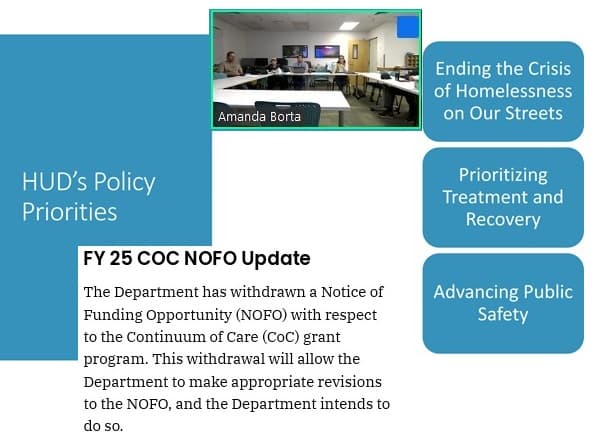
At a LEAGUE meeting on December 5 county homelessness and housing officials described major changes in federal funding rules that will affect Lane County's ability to develop permanent supportive housing. The FY25 Continuum of Care Notice of Funding Opportunity caps permanent housing projects at 30 percent of CoC Tier 1 funding, a steep reduction from the roughly 85 to 90 percent share the county has relied on in past years. Officials said the change forced a reassessment of projects previously identified in applications.
County staff told attendees that as a result of the new rule Lane County expects to lose an estimated 180 permanent housing units from projects that had been planned or proposed. Officials said they will prioritize Tier 1 projects under the new NOFO, but that the county faces a compressed timeline to complete applications. Meeting remarks noted a January 14 NOFO due date, creating urgency for reallocation decisions and partner coordination.
Local leaders expressed concern about how the funding shift will affect people experiencing homelessness. Officials warned that more people could be placed in transitional programs rather than secured in permanent housing, a change that alters service needs and may increase pressure on emergency and temporary shelter systems. County staff outlined reallocation strategies and said they were working with Homes For Good and other partners to reduce harm while seeking alternative funding sources.

The policy shift has implications for budgeting and longer term planning by county and nonprofit providers. Projects that had been designed around stable CoC permanent housing financing will need new capital and operating strategies, and the reduction in unit capacity will affect the county's ability to meet demand for supportive placements. The compressed application timetable also reduces the window for public review and stakeholder input into reallocation choices.
Lane County officials will continue to update partners and the public as they finalize Tier 1 applications and pursue other funding avenues. The change in HUD policy underscores the influence of federal funding rules on local homelessness policy and highlights the need for transparent decision making as communities adjust to new constraints.
Sources:
Know something we missed? Have a correction or additional information?
Submit a Tip