FAA Commits $6 Billion, Seeks $20 Billion More to Modernize Air Traffic
The Federal Aviation Administration announced a $6 billion near term allocation to begin replacing aging telecommunications and radar infrastructure, and named Peraton as the prime integrator for a multibillion dollar overhaul. The move aims to address safety and reliability issues at facilities that average about 40 years old, while signaling a large procurement and budget fight ahead for lawmakers and industry.
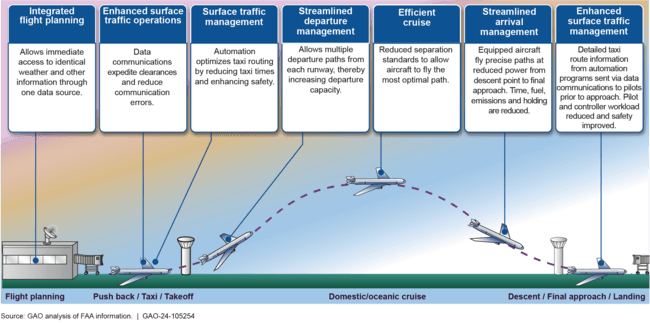
The Federal Aviation Administration announced a major program to modernize the United States air traffic control system, committing roughly $6 billion by the end of 2025 to begin replacing telecommunications networks, radar surveillance, software and hardware across aging facilities. FAA Administrator Bryan Bedford told lawmakers the agency has identified initial priorities and selected Peraton, a Virginia based technology firm, to serve as prime integrator for the overhaul.
The modernization effort rests on a historic congressional down payment included in the legislative package known as the One Big Beautiful Bill earlier this year. FAA and White House materials describe that appropriation as $12.5 billion, while some media accounts cited $12.8 billion. Bedford and FAA officials described that sum as a strong down payment and said the agency will need an additional $20 billion to complete the program, implying a program level cost of roughly $32.5 billion when the initial funds and future needs are combined.
Peraton will begin work immediately in partnership with the FAA, with deployment of upgraded systems targeted through 2028. The agency listed early technical priorities that include transitioning the system’s remaining copper infrastructure to modern fiber, creating a new digital command center, procuring new radar systems and building next generation facilities. FAA materials say about one third of the copper infrastructure has already been converted to fiber, satellite and wireless.
Officials framed the spending as a safety and reliability imperative. The FAA noted many air traffic control facilities average about 40 years old and that the agency is experiencing significantly more equipment issues today than in the past. Agency materials add that to maintain safety, we slow flights when equipment failures occur, a constraint that can ripple into delays and higher operating costs for airlines and travelers.
Economically the program represents a sizable procurement opportunity and a fiscal test for Congress. The initial $6 billion allocation will support immediate contracts and project starts, while securing the additional $20 billion will require future appropriations and likely oversight hearings. The selection of Peraton over competitor Parsons introduces a large systems integration contract into a defense and aerospace market that has seen growing privatization of complex infrastructure work.
Market implications are significant for suppliers of fiber optics, radar hardware, avionics software and construction for next generation facilities. The modernization will also demand training and workforce development for air traffic controllers and technicians, components addressed in the One Big Beautiful Bill according to FAA materials. Those workforce investments matter for project delivery and for long term resilience of the system.
The FAA set 2028 as the administration’s goal for full implementation of the initial upgrades, a fast timetable for upgrading decades old systems. Administrators framed the program as transformative. We are taking bold action to ensure our air traffic system is the envy of the world, Administrator Bedford said in FAA comments. As the program unfolds policymakers will weigh the program’s cost against its potential to reduce delays, limit safety risk from equipment failures and modernize a backbone of U.S. transportation infrastructure. The FAA has posted a fact sheet and supplementary materials on the program as Peraton begins immediate work with the agency.
Know something we missed? Have a correction or additional information?
Submit a Tip