Family Beach Guide for Kauai: Safety, Access, and Best Spots
This guide outlines family-friendly beaches on Kaua‘i, highlighting safety features, access, and seasonal conditions that affect swimming and snorkeling. Residents and visitors should use these practical details to plan visits, because surf, tides, parking limits, and variable lifeguard coverage directly influence safety and access.
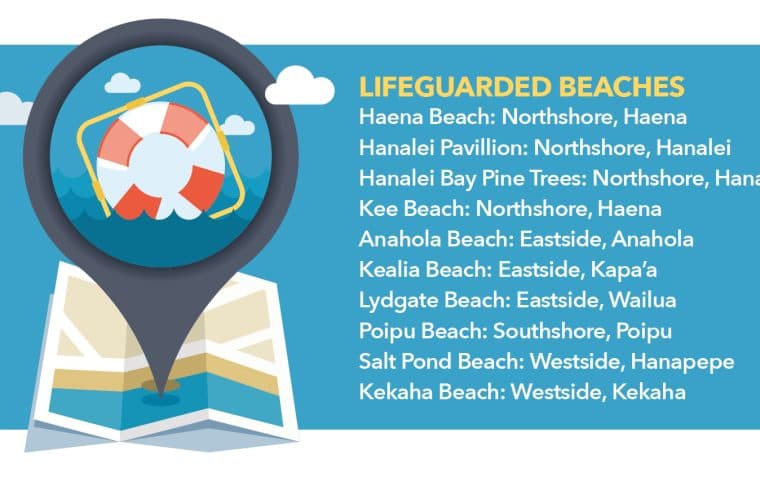
Kaua‘i offers a range of beaches suited to families, but conditions vary by shore and season. Families should prioritize beaches with natural protection or lifeguard coverage, check current surf and tide forecasts, and follow posted advisories and lifeguard flags before entering the water. For life-threatening emergencies, call 9-1-1.
Lydgate Beach Park on the east coast near Wailua and Līhu‘e provides dependable choices for younger children. The park’s double rock-enclosed swimming areas create calm pockets of water ideal for toddler-safe splashing and for novice snorkelers in the summer months. Facilities include picnic areas, restrooms, and relatively easy parking, though availability can change with visitor volume.
Also on the east coast, Anahola Beach Park stretches long and sandy with shallow sandbar areas exposed at low tide. Its shallow flats make it a good spot for beachcombing and family picnics, but families should watch currents and reef transitions that can change quickly with tides and swell.
On the south shore near Pā‘ā, Salt Pond Beach Park features natural salt ponds protected by lava rock pools. When conditions are mild these ponds are often calm and well suited to children. The park has nearby facilities and parking, but families should remain alert to changing ocean conditions outside the ponds.
Po‘ipū Beach Park in Po‘ipū and Kōloa is a popular family destination on the south shore with routine lifeguard presence and offshore reefs that often shelter the swimming area. The south end of Po‘ipū offers good snorkeling when conditions permit, making it a practical choice for families seeking both safety and marine viewing.
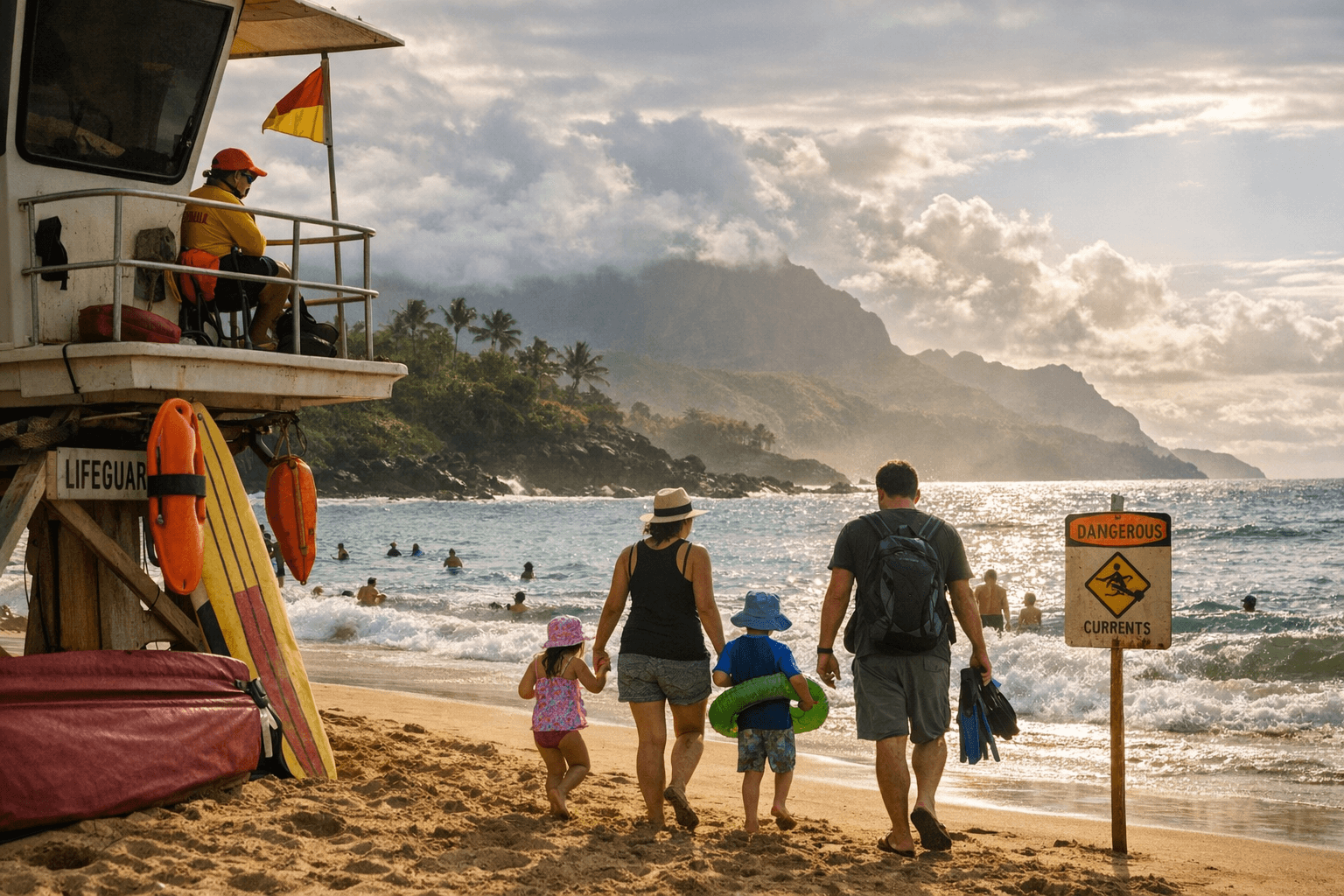
Hanalei Bay on the north shore near Hanalei and Princeville is a wide crescent bay with gentle slopes in summer that support beginner surfing lessons during low-swell months. However, winter months bring strong surf and currents that make the bay hazardous in high surf season.
Practical safety and access considerations apply across all beaches. Check local surf and tide forecasts before arriving; king tides and seasonal swells can inundate beaches and increase rip-current risk. Heed lifeguard flags and posted advisories and, when in doubt, do not enter the water. For younger children, select rock-protected coves or beaches with lifeguards, bring reef shoes and shade, and never leave children unattended even in shallow water. Protect reef ecosystems by avoiding stepping on coral, using reef-safe sunscreen, and respecting posted marine-life protections. Many family beaches have limited parking; arrive early during high season and bring water, shade, and a first-aid kit.
For real-time conditions and questions about lifeguard coverage or advisories, consult local lifeguards and National Weather Service updates before visiting.
Know something we missed? Have a correction or additional information?
Submit a Tip