Federal $14M Award to Repair PTA Fire Station Benefits Community
Local residents will learn how a $14 million Department of Defense award will fund architectural and structural repairs to Fire Station Building 390 at Pōhakuloa Training Area (PTA), and what that means for emergency coverage across Hawaiʻi Island. The article explains the project’s scope, operational impacts, mutual-aid response arrangements, stakeholder roles, and how the investment affects public safety and local accountability.
1. Funding source and amount The U.
S. Department of Defense awarded $14 million for repairs to Fire Station Building 390 at PTA. This federal investment directly targets a single critical facility and signals a significant infusion of federal resources into local emergency infrastructure on Hawaiʻi Island.
2. Project location: Fire Station Building 390 at Pōhakuloa Training Area The repairs will take place at Building 390 within Pōhakuloa Training Area (PTA), a military installation on Hawaiʻi Island that also exists within the broader civilian landscape.
The station’s location on PTA means the facility supports both installation needs and, under mutual-aid agreements, the surrounding communities.
3. Primary mission of the station Building 390 serves as the primary fire station for PTA operations, supporting firefighting, rescue, and incident response tied to the training area’s activities.
Maintaining this mission-capable posture is essential for both on-base safety and for the station to remain available as a resource under mutual-aid arrangements.
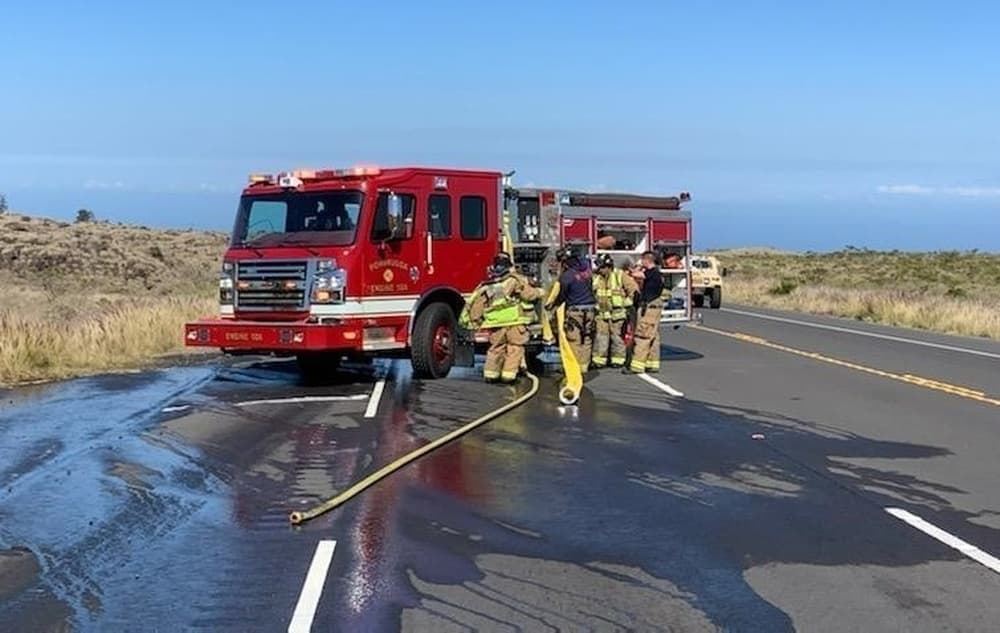
4. Mutual-aid agreements and response role Under mutual-aid agreements, the PTA station can respond to emergencies beyond the installation, supplementing county and municipal fire resources.
Those agreements formalize how military and civilian agencies assist each other during incidents, which helps stretch firefighting capacity across jurisdictions during major events.
5. Response radius and island-wide support The station can respond within roughly a 25-mile radius under mutual aid and can also support island-wide responses when requested by local authorities.
That operational reach matters for remote and rural communities that may lack immediate local resources and rely on coordinated responses during wildfires, structure fires, or large-scale emergencies.
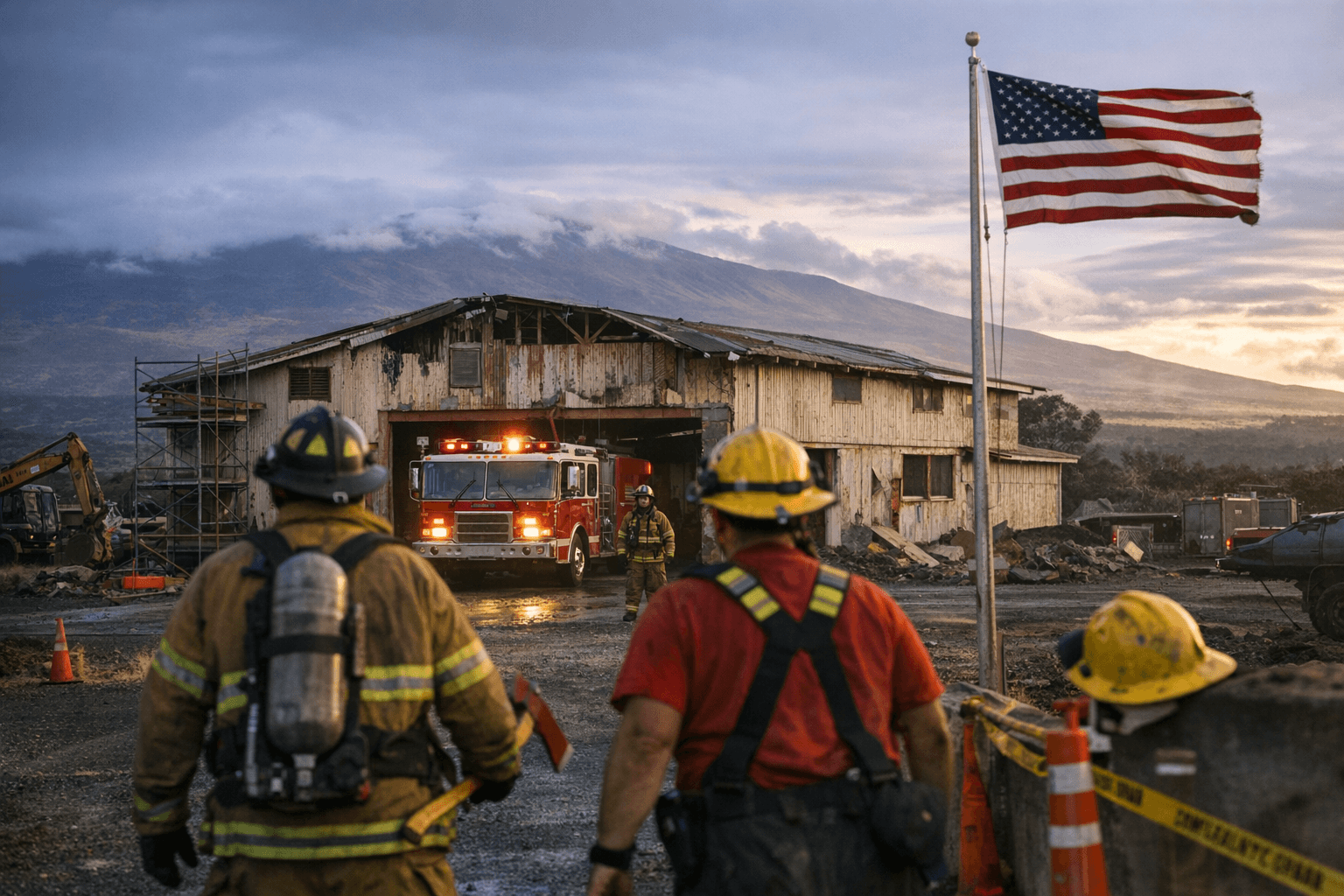
6. Scope of repairs: architectural and structural work The awarded funds are designated for architectural and structural repairs to restore the building’s integrity and functionality.
Structural remediation typically addresses load-bearing elements, roofing, foundations, and other features that affect safety and longevity; architectural work can include layout, access, and utility improvements that support daily operations.
7. Goal: restore full operational capacity The explicit objective of the project is to restore the station to full operational capacity so it can perform all assigned firefighting and emergency duties.
Restoring operational capacity includes ensuring the facility is safe for personnel, able to house and maintain equipment, and configured to meet current operational standards.
8. Operational impacts for firefighters and equipment Upgrades to the building will improve working conditions for firefighters and enable safer, more reliable housing and maintenance of apparatus and gear.
A fully functional station reduces equipment downtime, supports rapid deployment, and improves overall capability to handle both routine calls and larger incidents.
9. Public safety and community protection Improved station readiness contributes directly to protecting lives and communities across the island by reducing response times and increasing available firefighting resources.
Senator Brian Schatz has emphasized that these upgrades will help firefighters respond more effectively, protect lives and communities, and improve emergency response in the area, underscoring the safety rationale behind the investment.
10. Stakeholder coordination and roles Key stakeholders include the Department of Defense, PTA command, county emergency services, and state officials; each has a role in planning, implementing, and coordinating the repairs and subsequent operations.
Successful execution will require clear interagency communication, adherence to procurement rules, and operational planning to integrate the repaired facility back into mutual-aid response matrices.
11. Fiscal and policy implications A $14 million federal award highlights how federal infrastructure funding can address critical local shortfalls, but it also raises questions about ongoing maintenance funding and lifecycle costs.
Local policymakers will need to consider how to sustain the facility once repairs are completed, and whether similar facilities across the island face comparable needs that require advocacy for additional resources.
12. Readiness implications for training and emergencies Restoring Building 390 bolsters institutional resilience for both military training activities at PTA and civilian emergency response capacity.
A fully operational station supports safe training operations by addressing on-site risks and preserves the station’s ability to pivot to civilian support when mutual aid is invoked.
13. Accountability and oversight expectations Federal funding and construction contracts require oversight to ensure funds are used as intended, work meets standards, and timelines are transparent.
Residents and local officials should expect clear reporting on project milestones, contracting processes, and certification that the facility meets relevant safety and operational standards before service resumption.
14. Civic engagement and how residents can follow progress Residents who want to stay informed should monitor official announcements from county emergency management, PTA public affairs, and state offices for project updates and public briefings.
Engaging with county council meetings, requesting status reports from elected officials, and asking for publicly available project documentation are appropriate ways to maintain oversight and ensure the community’s safety priorities remain central.
Sources:
Know something we missed? Have a correction or additional information?
Submit a Tip