Hawaiʻi lawmakers seek broader move-over protections for roadside stops
State lawmakers are advancing a bill to expand Hawaiʻi's move-over law to protect all stopped vehicles and people, aiming to reduce roadside deaths and near-misses.
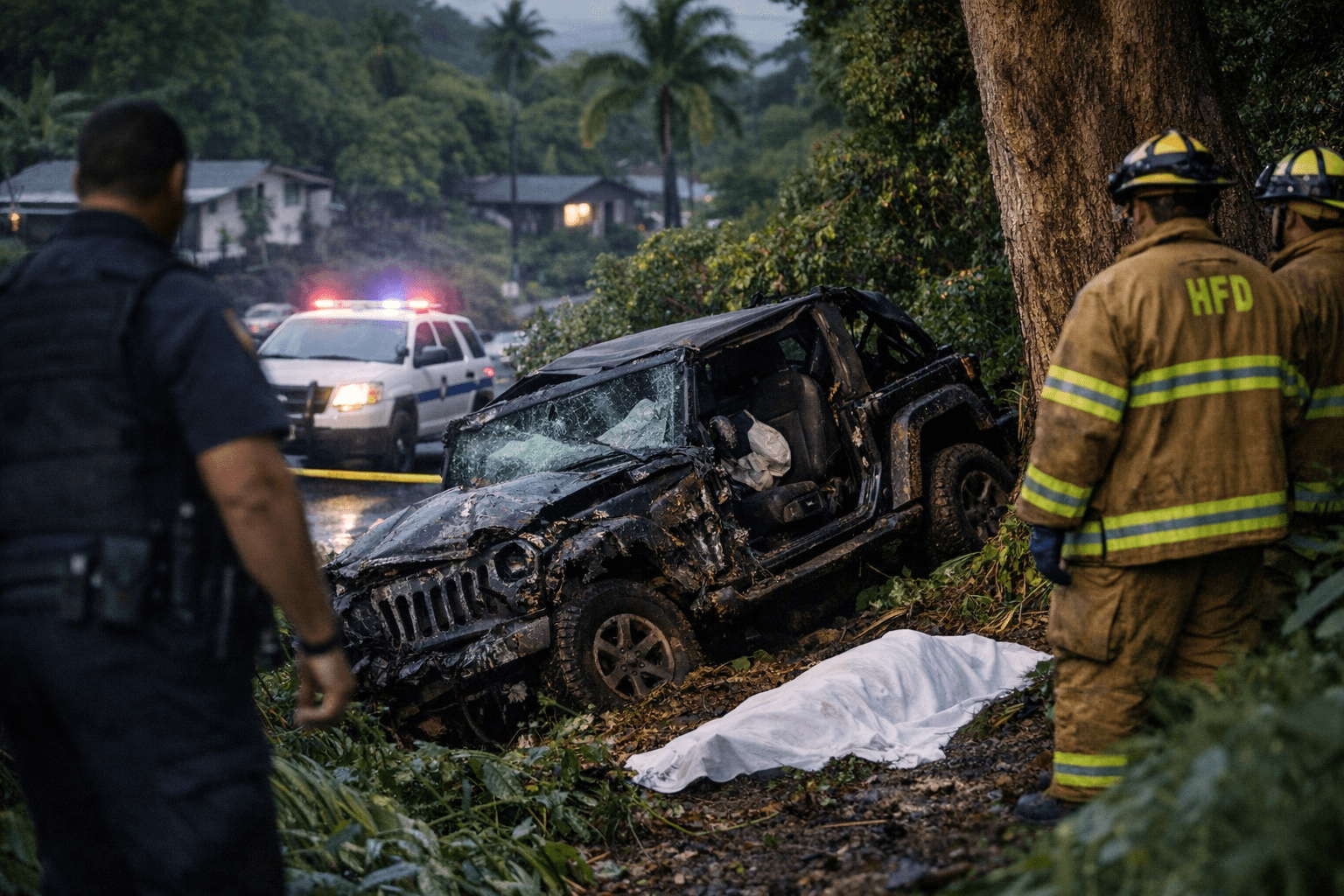
State lawmakers in Hawaiʻi moved this week to broaden the state's move-over law so protections would apply to all vehicles and people stopped on the roadside, not only emergency and service vehicles. The proposal gained renewed attention after a fatal roadside incident on Jan. 9 that highlighted risks faced by drivers and passengers who must stop on shoulders for mechanical trouble, to change a tire, or to assist others.
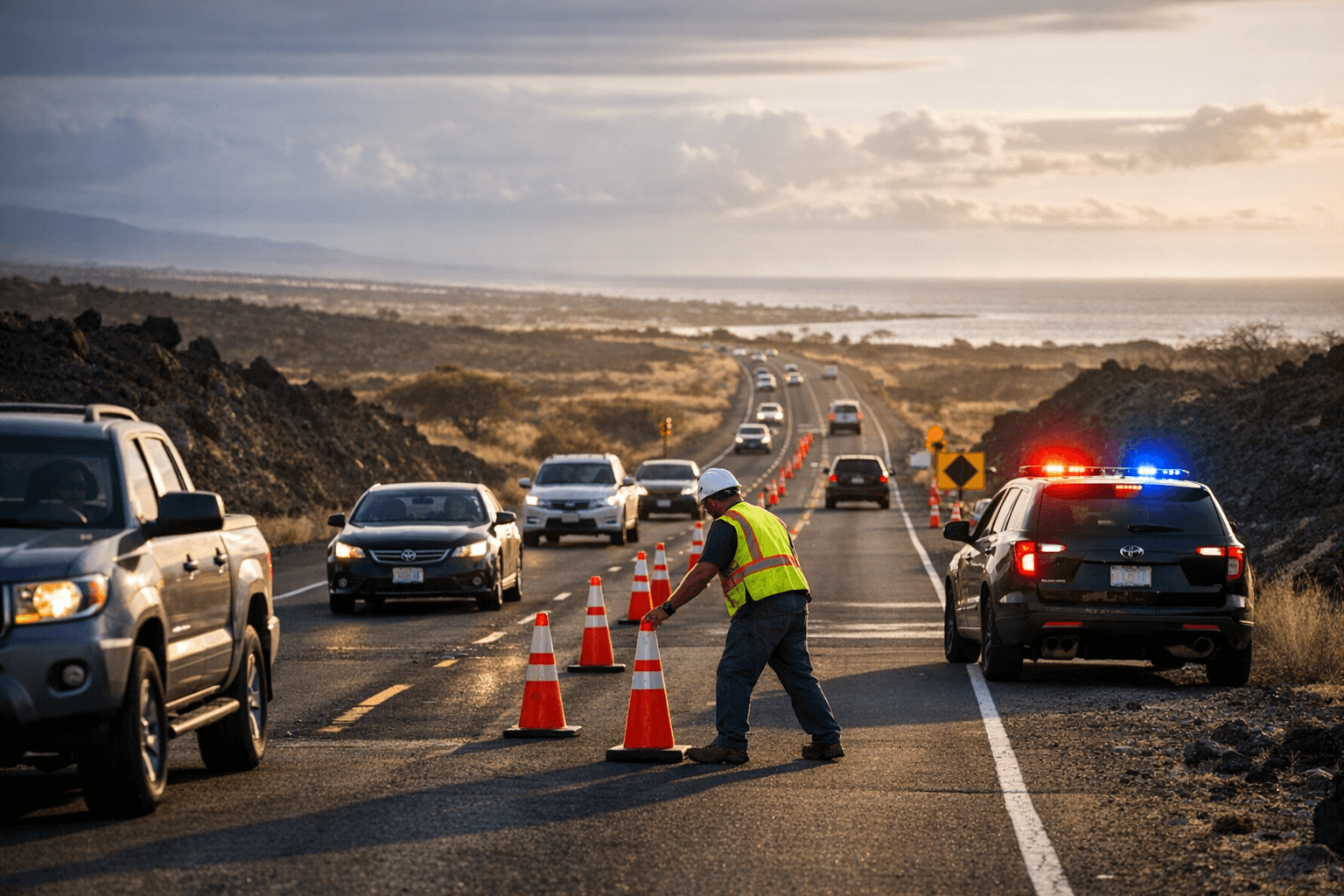
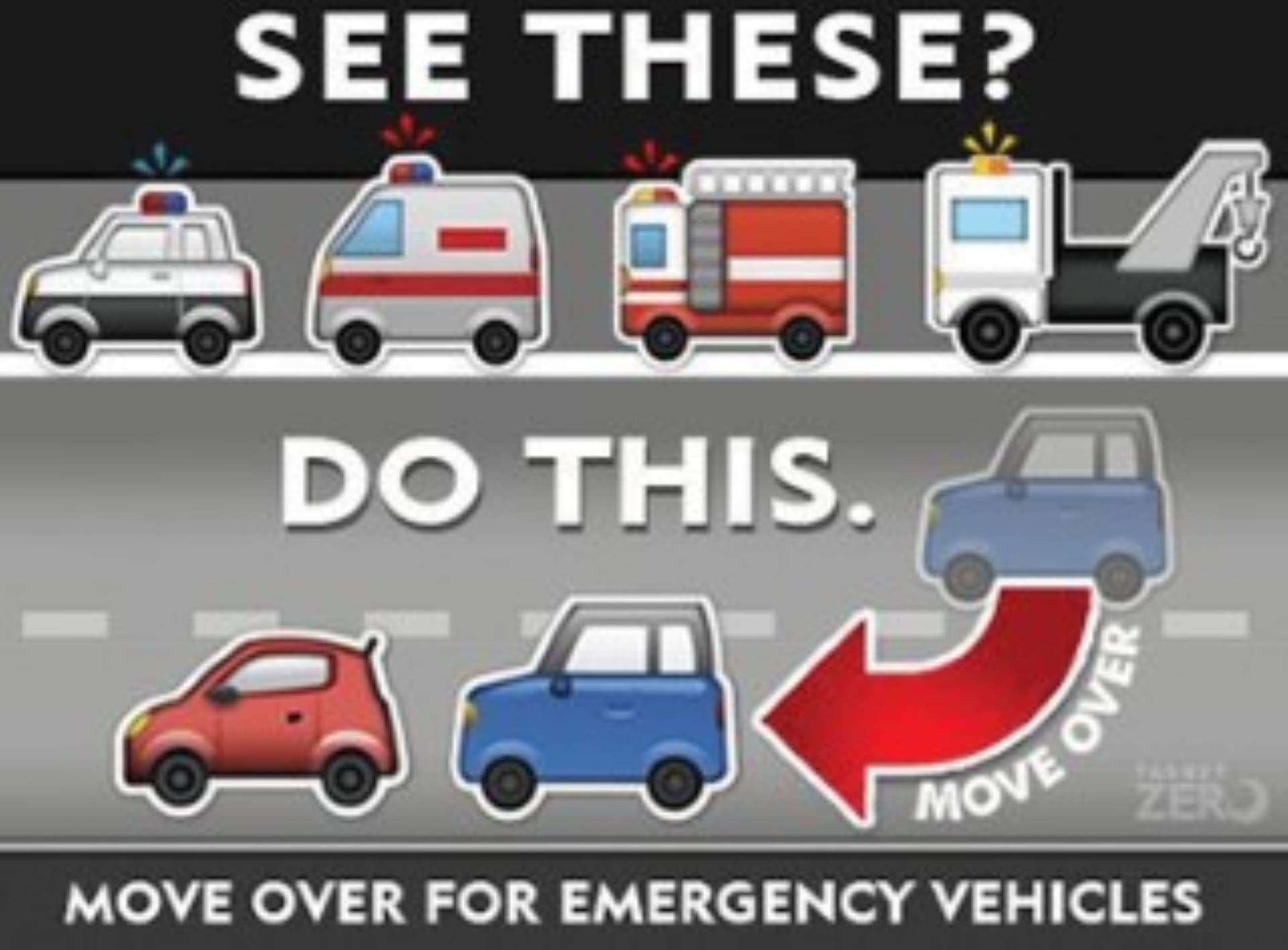
Under current law, drivers are required to move over or slow down for police, fire and authorized service vehicles. Advocates including AAA and several legislators argue that limiting protections to those vehicles leaves everyday motorists and their passengers vulnerable. Sponsors of the bill are weighing expanded statutory language, new enforcement tools and stiffer penalties such as fines and points on licenses intended to change driver behavior.
The legislation seeks to clarify when drivers must vacate a lane, reduce speed, or take other actions to provide a safe buffer for people beside the roadway. Supporters say clearer rules and firmer consequences could reduce near-misses and roadside fatalities that occur when people are stranded on shoulders, especially on rural stretches of the Big Island where shoulders are narrow or nonexistent and traffic can approach at high speed.
For Big Island County residents, the proposed change touches everyday safety concerns. Long highways linking Hilo, Kona and Kaʻū see a steady mix of island commuters, haulers and out-of-state visitors who may be unfamiliar with local driving conditions. Emergency responders and tow operators have long warned that the most dangerous moments are when a vehicle is stopped on the shoulder and occupants or passing drivers make sudden moves. Broadening the move-over rule could create a more consistent expectation for how drivers behave when they encounter any stopped vehicle.

Implementation would bring practical questions for county and state agencies. Law enforcement would need guidance on when and how to ticket violators if fines or points are added. Public education campaigns would be essential to reach residents and visitors, and signage or digital alerts might be deployed along key corridors. The bill's progress also raises equity and enforcement concerns in rural communities where pulling safely off the road is not always possible.
The takeaway? Slow down and give space when you see a stopped vehicle. Put on hazard lights, move well off the travel lane when it is safe, and call for help rather than attempting roadside repairs in traffic. Expect lawmakers to continue refining the proposal in the coming weeks, and keep an eye on hearings that could shape how Hawaiʻi protects people stranded beside the road.
Sources:
Know something we missed? Have a correction or additional information?
Submit a Tip