State fines skipper for illegal longline off Kona coast
DLNR adopted penalties for illegal longline fishing off Kona, imposing fines and a one-year commercial license revocation that affect local fishers and enforcement.
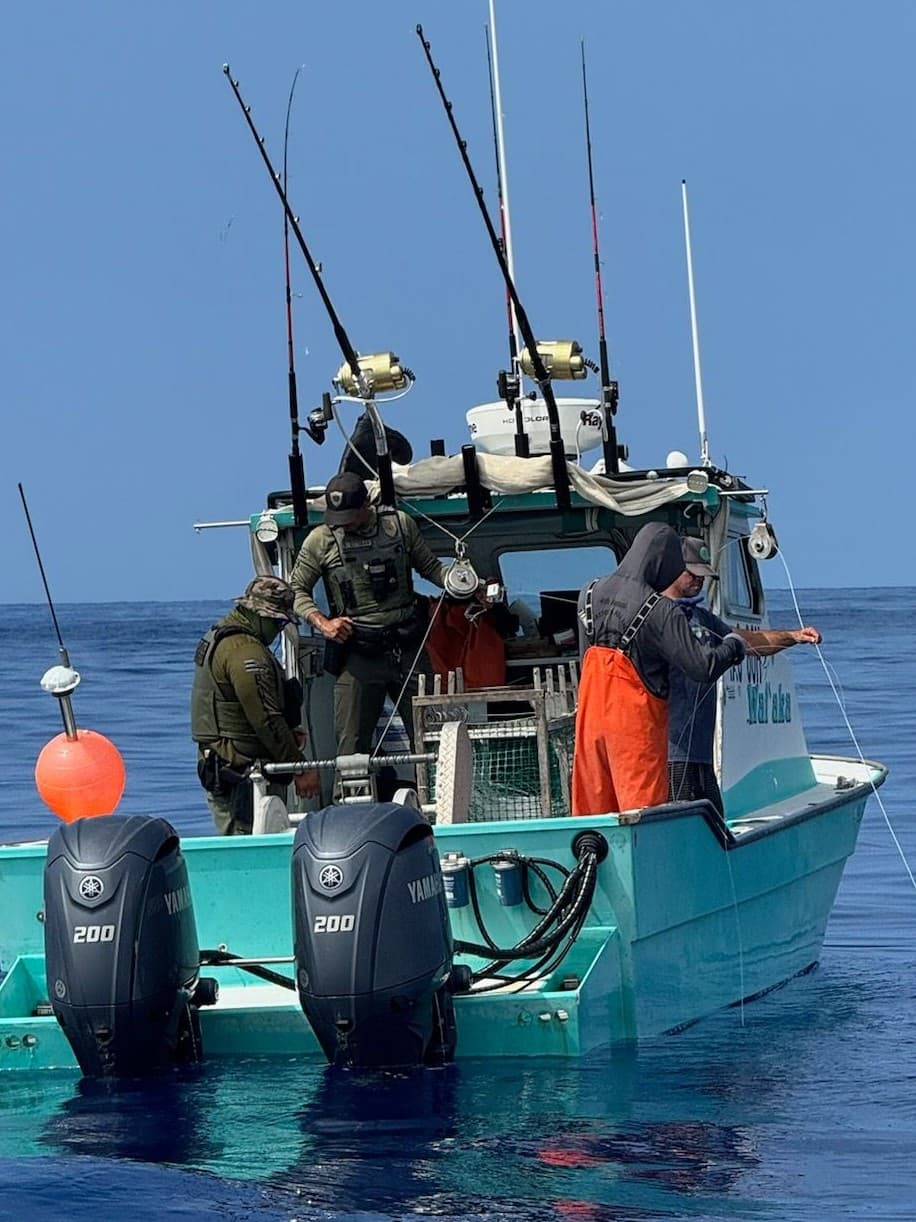
State regulators moved decisively after investigators found a commercial longline deployed well beyond state limits off Hawaiʻi Island’s Kona coast. On Jan. 9, 2026 the Hawaiʻi Board of Land and Natural Resources adopted the Division of Aquatic Resources recommendations to impose the maximum administrative penalties on Konane Zager, owner and operator of the vessel Waiʻaka, for actions taken May 7, 2025.
DAR officers documented a longline extending about 3.69 nautical miles from the vessel, exceeding the one-nautical-mile limit in state waters by more than three times. Inspectors recorded the take of three yellowfin tuna, two of which were subsequently sold. The board approved fines and costs totaling $10,051.90 and a one-year revocation of Zager’s Commercial Marine License, with a bar on reapplication for the duration of the revocation.
The agency also directed DAR to forward investigative materials to the NOAA Office of Law Enforcement for potential federal follow-up, signaling that the case may trigger further action under federal statutes or enforcement by federal authorities. That step underscores how state and federal jurisdictions can intersect when fishing activity raises legal or resource-management concerns.
For Big Island County residents, the enforcement outcome carries practical implications. The fine and license suspension remove one commercial operator from the local fleet for a year, with ripple effects for dockside buying, market supply, and competition among fishers who follow the rules. The case also reinforces public safety considerations: longline gear set beyond nearshore limits can present hazards to small craft, recreational anglers, and subsistence fishers who share coastal waters.
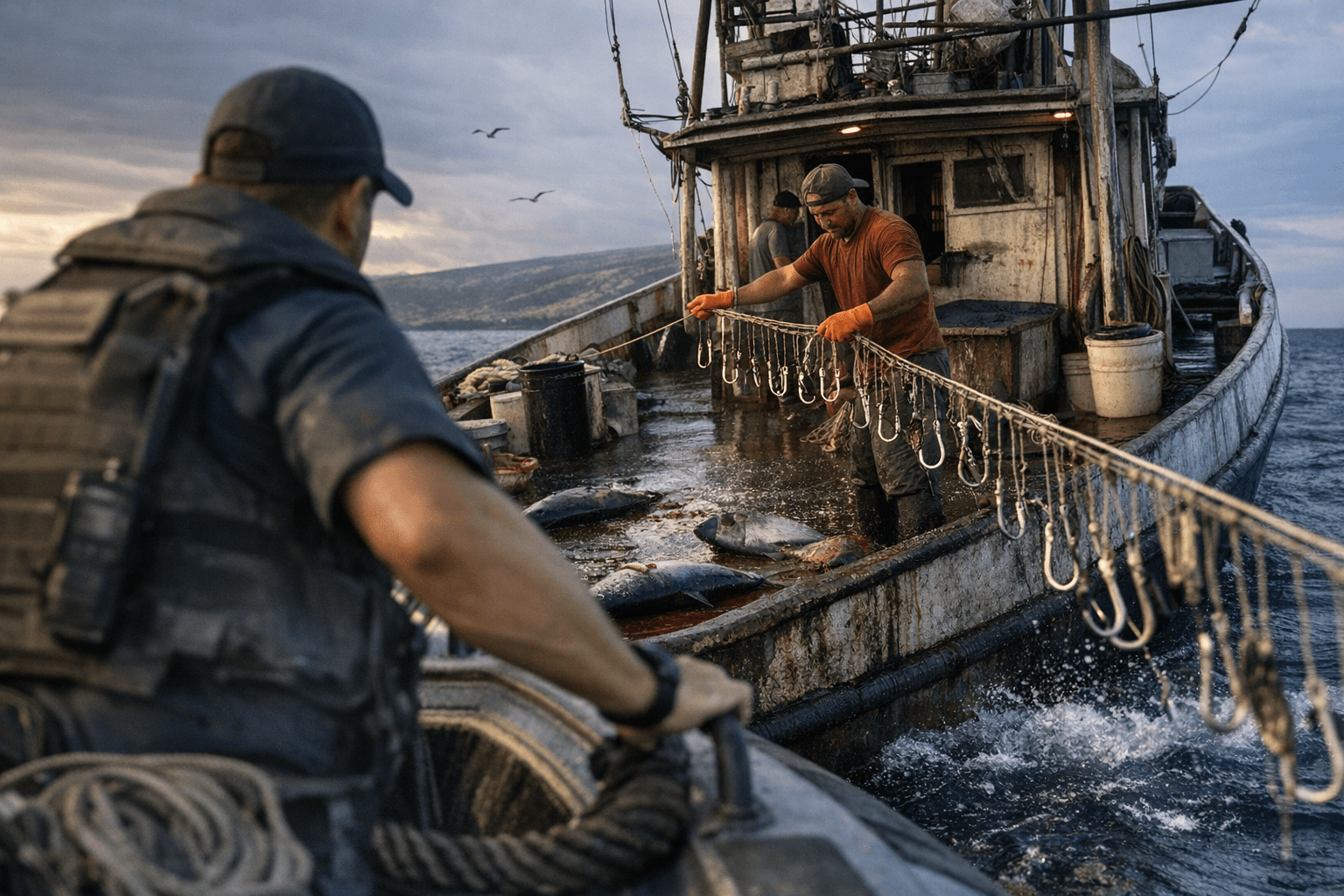
Culturally and economically, fishing is tightly woven into island life. Enforcement aims to protect fish stocks and ensure equitable access for those who depend on the sea for income and sustenance. The action against Waiʻaka signals that regulators intend to uphold the one-nautical-mile limit and to use available administrative penalties to deter repeat violations.
The referral to NOAA means the matter may not be closed at the state level; federal inquiries can bring additional penalties or charges if laws beyond state jurisdiction were implicated. For local commercial fishers, the case highlights the importance of clear gear practices, accurate trip records, and an awareness of both state limits and potential federal consequences.
Our two cents? If you fish commercially around Kona, double-check that your gear and set positions comply with the one-nautical-mile limit, keep detailed catch and sales records, and make sure trip planning accounts for both safety and legal boundaries to protect your livelihood and the shared kai.
Sources:
Know something we missed? Have a correction or additional information?
Submit a Tip