Federal $272 Million Award Brings Major Rural Health Funding to Alaska
On December 30, 2025, the Centers for Medicare & Medicaid Services awarded Alaska an initial $272 million under a new five-year Rural Health Transformation Program that will deliver roughly $1.4 billion to the state over the program period. The investment, the largest federal rural health infusion in Alaska's history, targets expanded services, workforce stabilization, infrastructure modernization and community-led care models that could directly affect North Slope village clinics and tribal health services.
The federal award announced December 30, 2025 marked a significant shift in federal support for Alaska’s remote health systems. The initial $272 million is the first tranche of an estimated $1.4 billion over five years through the Rural Health Transformation Program, designed to broaden access to care in rural areas, strengthen the clinical workforce, modernize infrastructure and technology, and enable new payment and care models tailored to local needs.
CMS laid out five core goals for the program: bring care within reach; strengthen the workforce; modernize infrastructure and technology; increase efficiency while empowering community providers; and advance innovative care and payment models. Tribal health organizations, regional health corporations and village clinics that serve North Slope communities are expected to be among the primary beneficiaries.
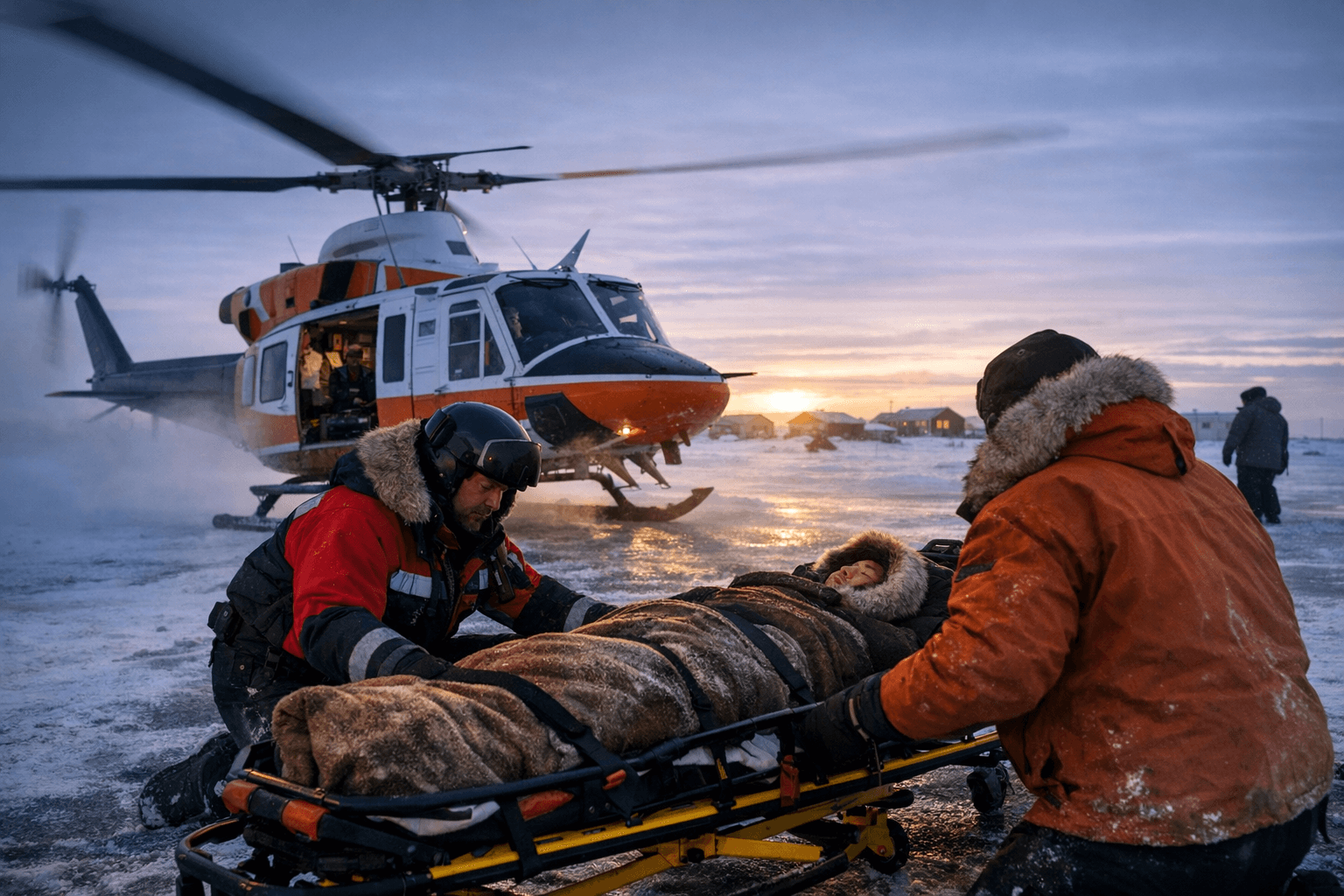
For residents of the North Slope, the practical implications are immediate and consequential. Funding could upgrade telehealth systems that expand specialty consults and routine care without costly and disruptive medical travel. Investments in recruitment, retention and training could reduce staffing gaps that force clinic closures or limit services. Funds are also intended to support physical improvements to village clinic facilities and new diagnostic equipment, and to strengthen coordination for local transportation and medevac planning.
The award offers an opportunity to design Alaska-specific solutions rather than rely on one-size-fits-all approaches, a point noted by statewide leaders as they weigh program development. Community members have welcomed the promise of resources while also urging transparent oversight, clear accountability and genuine community control over program design. Reader commentary emphasized the need to align investments with local schedules, cultural practices and subsistence lifestyles, and to ensure equitable distribution across rural and Indigenous communities.
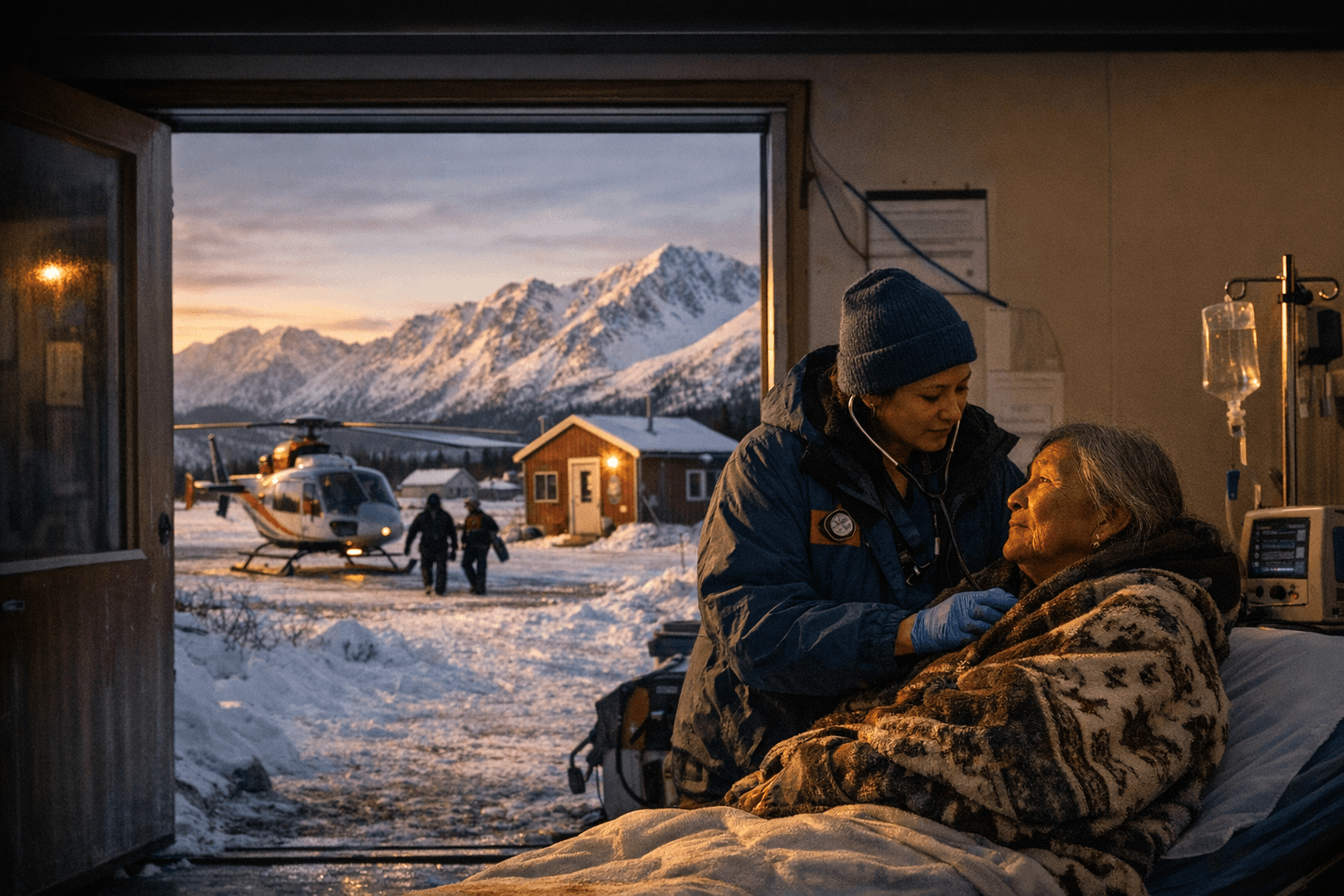
Public health experts caution that federal dollars alone will not solve long-standing structural challenges. Workforce shortages in Arctic communities, limits in broadband and supply-chain constraints for medical equipment will require sustained state and local commitment alongside federal funding. Policy decisions about how the funds are allocated, how payment reforms are structured, and how community partners are supported will determine whether the investment narrows health disparities or reinforces existing inequities.
Over the coming months, health leaders and local stakeholders will need to translate the broad goals of the program into specific projects that reflect the priorities of North Slope villages: reliable primary care, culturally competent services, reliable telehealth connections and coordinated emergency transport. If implemented with local leadership and clear oversight, the influx of federal resources could reshape access to care across Alaska’s northern communities.
Sources:
Know something we missed? Have a correction or additional information?
Submit a Tip