North Slope Borough Search and Rescue Keeps Communities Connected
North Slope Borough Search and Rescue operates across nearly 95,000 square miles of Arctic terrain, conducting hundreds of medevac and emergency response missions each year to link scattered villages to critical care. For residents, that aviation lifeline matters because there is no permanent road network between communities, and extreme Arctic conditions make local access to advanced medical services otherwise impossible.
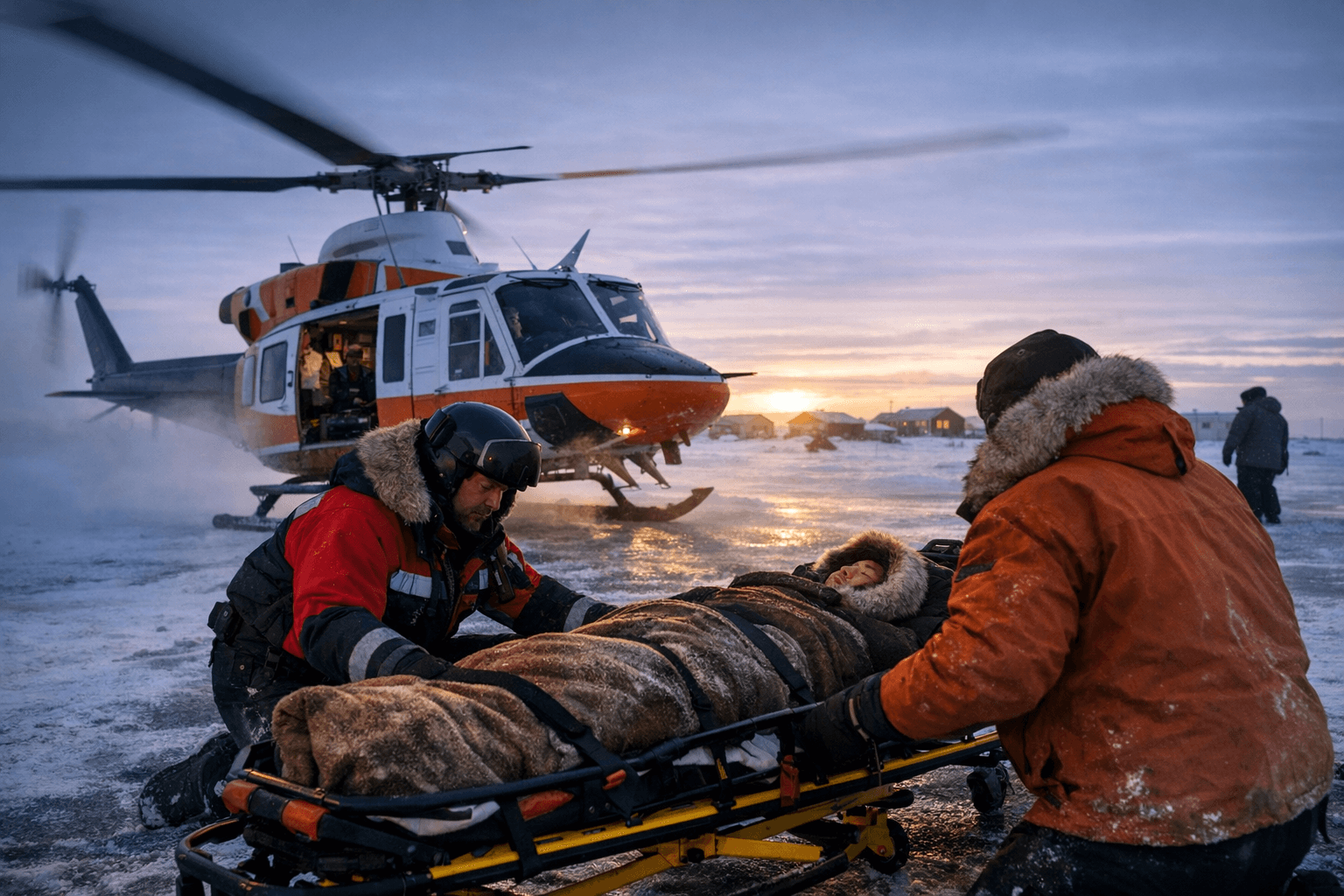
North Slope Borough Search and Rescue, known as NSB SAR, provides a continuous and often lifesaving aviation presence across almost 95,000 square miles of Arctic tundra and ocean. The unit conducts hundreds of medevac flights and search and rescue responses annually, moving patients, supporting on scene operations, and bridging the gap between village clinics and regional hospitals.
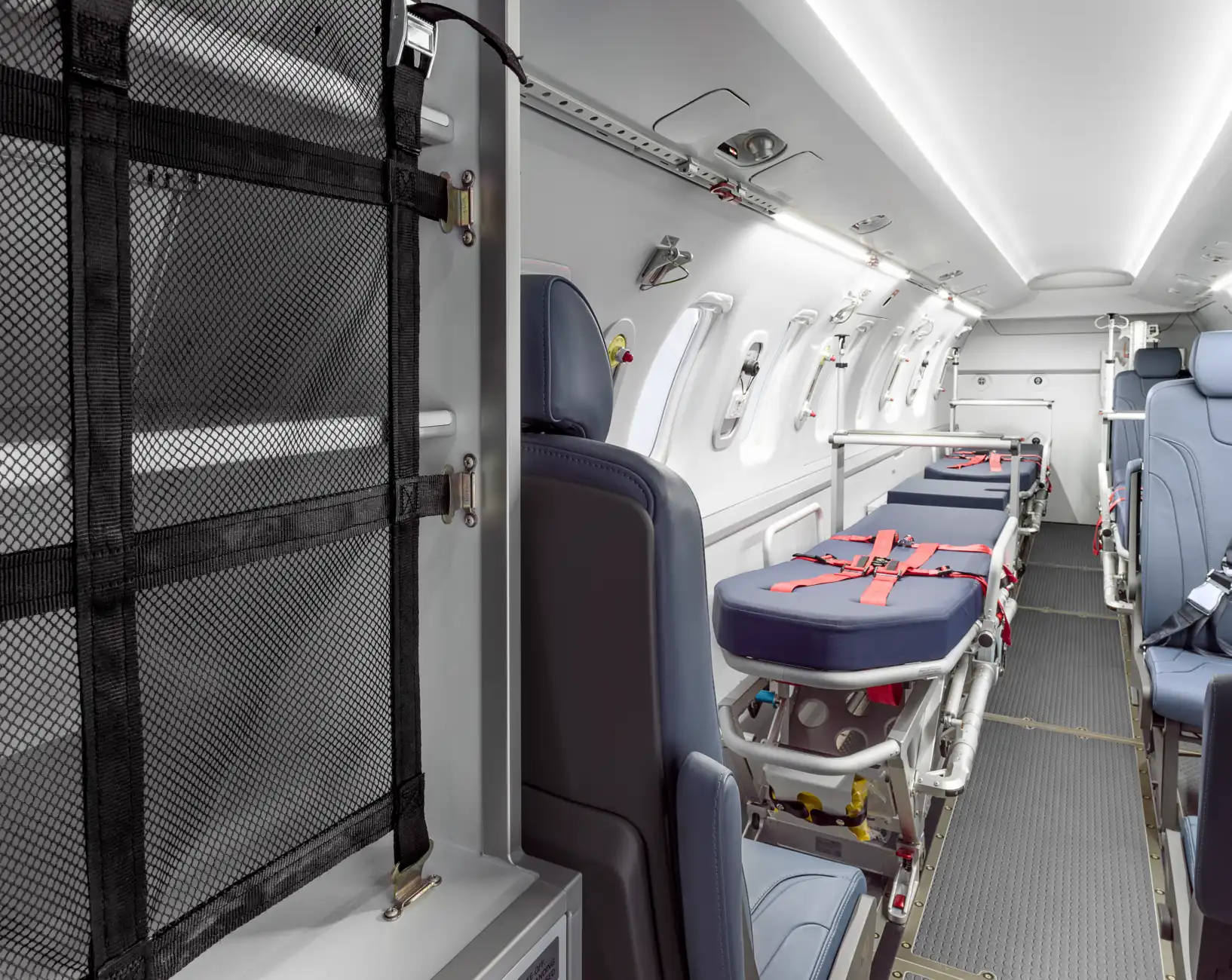
Aviation is fundamental to the work. NSB SAR operates alongside contracted and partner aircraft commonly used in Arctic operations, including Sikorsky S 92 style heavy helicopters, Bell 412 medium helicopters, Pilatus PC 24 jets and King Air 350ER turboprops. Those airframes allow varied mission profiles, from quick on scene patient pickups to longer range transfers to specialized care. The absence of a permanent road network between communities means air transport is often the only practical option for urgent medical evacuation.
The search and rescue program is built on a network of local volunteers, village responders, municipal public safety staff, state and federal agencies and aviation contractors. Coordination across that network is essential for launching missions quickly, providing scene support, and ensuring safe transfers over long distances. NSB SAR also manages community outreach on personal locator beacons, encouraging residents to carry devices that can pinpoint locations when people are injured or lost in remote terrain.
Operating in the Arctic brings unique logistics challenges. Teams work in extreme cold, contend with wide seasonal swings between darkness and continuous daylight, and manage sparse infrastructure at many landing sites. Long flight legs between villages and to higher level medical centers add complexity for aircraft fuel planning, patient care in flight and crew rest. Maintaining readiness requires a mix of assets run by the Borough and formal partnerships that supplement capability when missions exceed local capacity.
For North Slope residents, the program represents more than a government service. It is a practical lifeline that enables emergency medical care not otherwise available in small village clinics, and it provides search and rescue capacity when people travel across ice or tundra for subsistence and work. Continued investment in aircraft, training and community outreach helps reduce response times and improves survival chances after serious injury or illness.
NSB SAR’s ongoing operations underscore the reality that in Arctic Alaska, aviation is public health infrastructure. Keeping those flights available through winter cold and shifting daylight patterns remains a top priority for local safety and community resilience.
Sources:
Know something we missed? Have a correction or additional information?
Submit a Tip