Federal health agency cancels nearly $2 billion in behavioral‑health grants
SAMHSA abruptly terminated roughly 2,000 discretionary grants, threatening addiction treatment, overdose prevention and community mental‑health services nationwide.
Federal health officials abruptly notified hundreds of community providers that nearly $2 billion in discretionary grants from the Substance Abuse and Mental Health Services Administration were being terminated immediately, jeopardizing a broad array of addiction and mental‑health services across the country. Recipients said they received emailed letters on the evenings of Jan. 13 and Jan. 14 informing them that awards were ending effective immediately.
The cancellations affect roughly 2,000 grants and represent about a quarter of SAMHSA’s budget, according to those notifications and statements from affected organizations. Sen. Tammy Baldwin cited reports that as many as 2,800 cancellation notices were sent, a discrepancy that highlights uncertainty about the full scope of the action. An administration official who was not authorized to discuss the cuts publicly confirmed the cancellations to reporters.
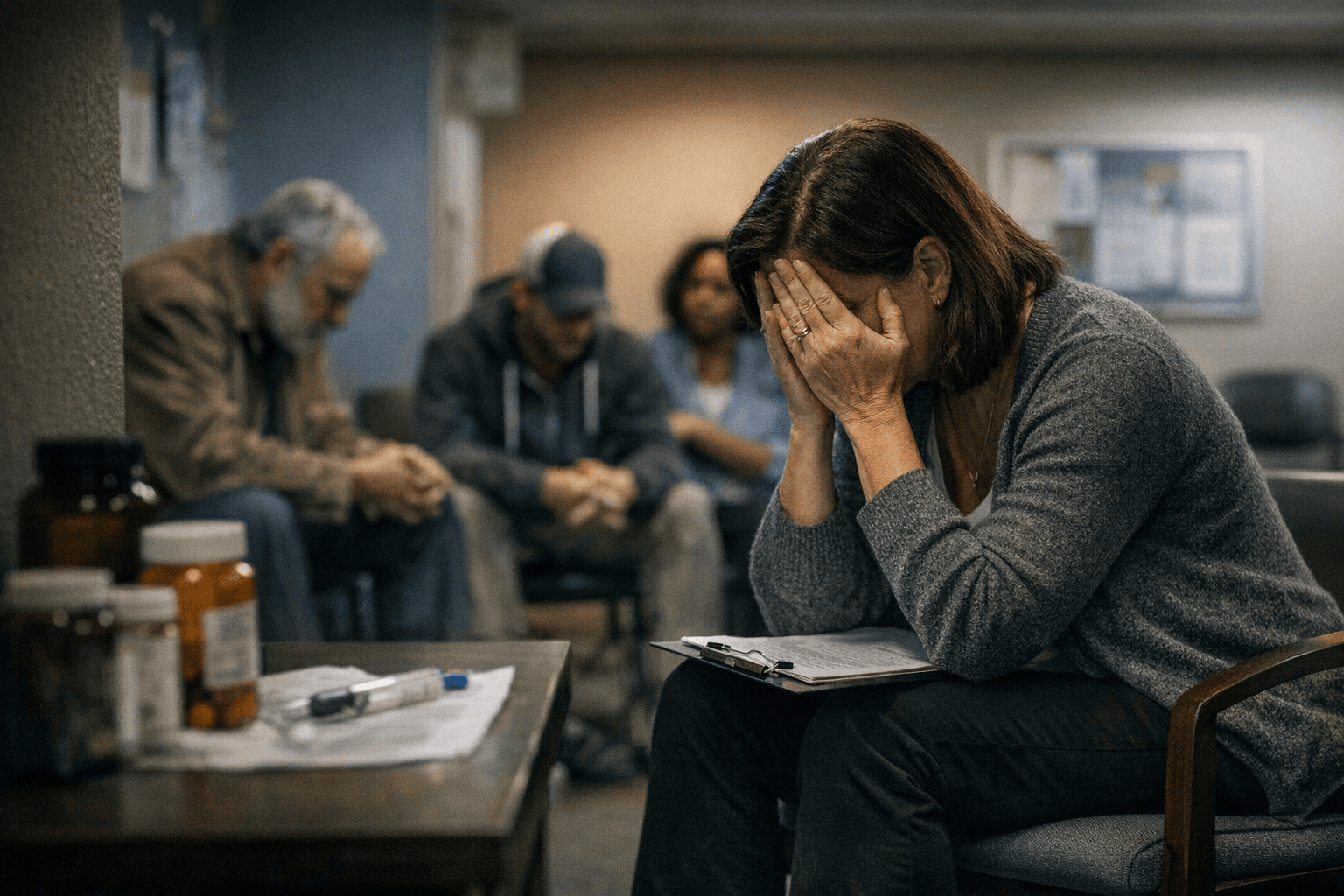
Programs at immediate risk include direct mental‑health care, opioid‑use disorder treatment, drug‑prevention efforts, peer recovery and peer‑support services, and overdose‑prevention activities such as naloxone distribution. Local clinics, mobile outreach teams and nonprofit providers warned that sudden funding gaps could force layoffs, program closures or suspension of services that communities rely on for crisis response and long‑term recovery.
Yngvild Olsen, former director of SAMHSA’s Center for Substance Abuse Treatment, warned that the loss of funding “could mean people are going to lose access to lifesaving services” and said providers may be forced to consider staff cuts or ceasing operations. Advocates said the cancellations undermine years of bipartisan work to build a behavioral‑health safety net amid rising overdose deaths and suicide rates.
Ryan Hampton, founder of Mobilize Recovery, told reporters that the cuts will force frontline providers to stop overdose prevention, naloxone distribution and peer recovery services immediately and said, “This cruelty will be measured in lives lost… the administration will have blood on its hands for every preventable death that follows.” Sen. Baldwin called the decision “reckless” and “dangerous” in a statement challenging the abruptness of the policy.
The move is framed by officials and observers as part of broader reductions inside the Department of Health and Human Services that have included the elimination of thousands of jobs and the freezing or cancellation of billions of dollars in scientific‑research funding. Behavioral‑health leaders say the timing is particularly perilous: providers typically cannot replace federal grants on short notice, and many operate on thin margins even in stable years.
State behavioral‑health agencies and municipal leaders are now scrambling to assess local impacts and identify contingency funds. Some jurisdictions are exploring emergency state allocations, private philanthropic bridges and reallocation of existing budgets to preserve immediate overdose response and crisis services, but those measures are unlikely to match the scale or speed of the federal cuts.
Exact totals and program‑level lists of terminated awards remain unclear, and advocates have demanded that SAMHSA and HHS publish the full set of cancellation letters and an itemized accounting by program and recipient. Lawmakers and health providers say rapid clarification is essential to prevent service gaps that could produce immediate harm to people with substance‑use disorders and serious mental illness.
Know something we missed? Have a correction or additional information?
Submit a Tip