HHS reverses mass layoffs at NIOSH, reinstates hundreds of safety staff
HHS reversed a 2025 reduction in force at NIOSH, reinstating hundreds of researchers and safety professionals and restoring core work protecting miners, firefighters and other workers.
The Department of Health and Human Services has reversed earlier staffing cuts at the National Institute for Occupational Safety and Health, reinstating hundreds of researchers and safety staff who were notified they had been terminated during a broad reduction in force in 2025. The move restores key research and certification functions that directly affect coal miners, firefighters and roughly 50 million American workers in hazardous jobs.
HHS confirmed the reversal and framed the decision as a recommitment to essential services. Andrew Nixon, an HHS spokesperson, said the administration “is committed to protecting essential services — whether it's supporting coal miners and firefighters through NIOSH, safeguarding public health through lead prevention, or researching and tracking the most prevalent communicable diseases.” Agency officials said the reinstatements include staff across mine safety, respirator testing, toxicology and occupational health surveillance programs.
The April 2025 reduction in force had targeted multiple federal health agencies and decimated NIOSH’s ranks. Roughly 875 of about 1,000 NIOSH employees were terminated in that round, according to internal tallies and union accounts; other statements put the figure at more than 90 percent of the workforce. The dismissed workers included more than 170 staff focused on mine safety, several of whom were based in research divisions in Spokane, Washington, and Pittsburgh, Pennsylvania. HHS said those mine-safety staff were among those being reinstated.
Labor unions and public-health advocates credited sustained pressure for prompting the reversal. “This moment belongs to every single person who refused to stay silent. Every rally, every media interview, every petition signature led to this victory of saving NIOSH,” said Dr. Micah Niemeier-Walsh, vice president of AFGE Local 3840 and an industrial hygienist at NIOSH. Industry groups and safety associations also lobbied for restorations; leaders called for an immediate full reversal when the cuts were first announced and organized letters to Congress and the administration pressing for action.
The reinstatement preserves functions that have both immediate and long-term public health consequences. NIOSH performs respirator testing and certification, including work relevant to N95-type protection, evaluates emerging chemical hazards, conducts mine-safety research and provides workplace exposure guidance. Disruption of those programs risked undermining protections for frontline workers and delaying research into occupational hazards that disproportionately affect low-income communities and racial and ethnic minorities who are overrepresented in high-risk industries.
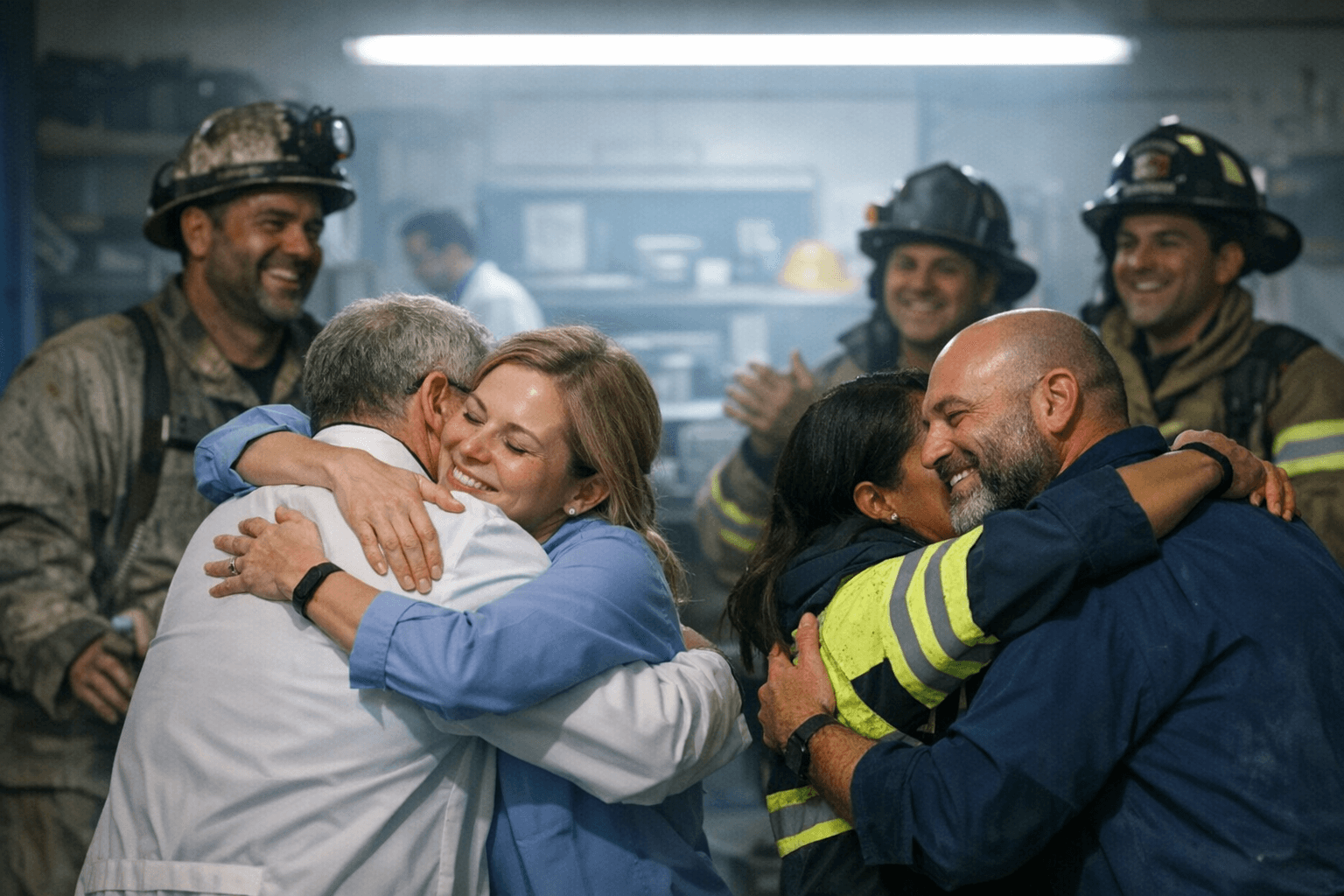
Policy experts said the reversal underscores the fragility of federal occupational health capacity when subject to abrupt staffing changes and successive budgetary or administrative shifts. Restoring staff addresses immediate gaps, but advocates emphasized the need for stable funding, statutory commitments and institutional safeguards to prevent future disruptions that can take years to repair.
HHS officials did not provide a precise restored headcount when announcing the reversal, but agency communications and union statements indicated that all employees who received layoff notices in 2025 have now been fully reinstated. Industry leaders noted the decision as encouraging. Lorraine Martin, president and CEO of the National Safety Council, said she was “very encouraged” by the reports and urged that “a full reversal of staffing cuts should take place immediately,” stressing NIOSH’s role in informing policies and practices that prevent workplace injuries and deaths.
For communities that rely on NIOSH research—from coal towns to urban firehouses—the reinstatements bring immediate relief. Advocates say the episode should prompt a broader conversation about safeguarding scientific and safety infrastructure that protects workers and public health in times of political and fiscal upheaval.
Sources:
Know something we missed? Have a correction or additional information?
Submit a Tip