Fighting flares along Thailand, Cambodia border as diplomacy resumes
Renewed clashes along the Thailand Cambodia frontier have sent civilians fleeing and raised fresh fears of a wider escalation in Southeast Asia. The fighting comes as U.S. President Donald Trump says he will make a phone call to press for a ceasefire and revive a truce he helped mediate in July, a move with regional diplomatic implications.
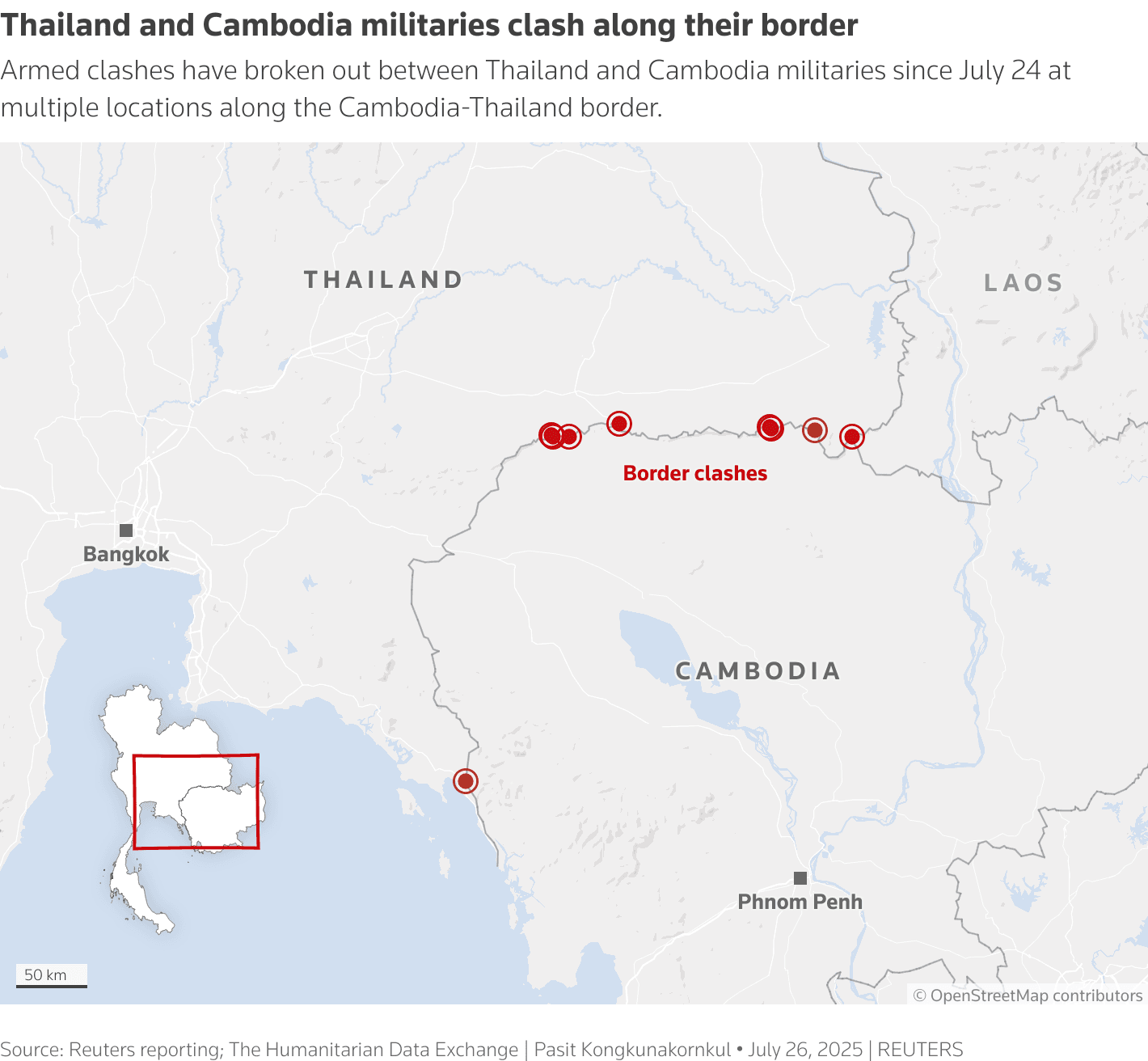
Thai and Cambodian forces are clashing again along their shared border, with both governments accusing the other of striking civilian areas and triggering evacuations. Reuters reported casualty figures provided by the two governments, with Cambodian authorities reporting civilian deaths and injuries and Thai officials reporting military casualties and wounded. The renewed violence was documented on Dec. 10, 2025 as artillery fire, drone strikes and allegations of landmine laying crossed and re crossed the frontier.
The exchanges have forced large numbers of civilians from their homes in villages close to the border. Local authorities have organized emergency evacuations to schools and makeshift shelters farther inland, and aid agencies are warning of mounting humanitarian needs including urgent medical care and protection from unexploded ordnance. The pattern of fighting, which has involved repeated strikes on populated areas, raises concerns under international humanitarian law about the protection of civilians and the proportionality of military operations.
Analysts say the latest flare up follows months of tension after a pause in violence earlier in the year. In July a ceasefire mediated by U.S. officials appeared to reduce hostilities, but underlying disputes over positions and territorial claims were never fully resolved. The presence of drones on the battlefield and claims of landmine deployment add a new dimension to a conflict that has long relied on artillery exchanges and infantry skirmishes. The involvement of newer technologies complicates efforts to verify incidents on the ground and to ensure civilian safety.
U.S. President Donald Trump said he will make a phone call to try to halt the violence and restore the truce he helped negotiate in July. The intervention signals Washington’s continuing interest in stability along a strategic flank in Southeast Asia, and it is likely to be welcomed by some regional capitals while prompting caution in others that seek to limit external influence. The move also places pressure on both Bangkok and Phnom Penh to demonstrate restraint and to engage in dialogue under regional auspices.
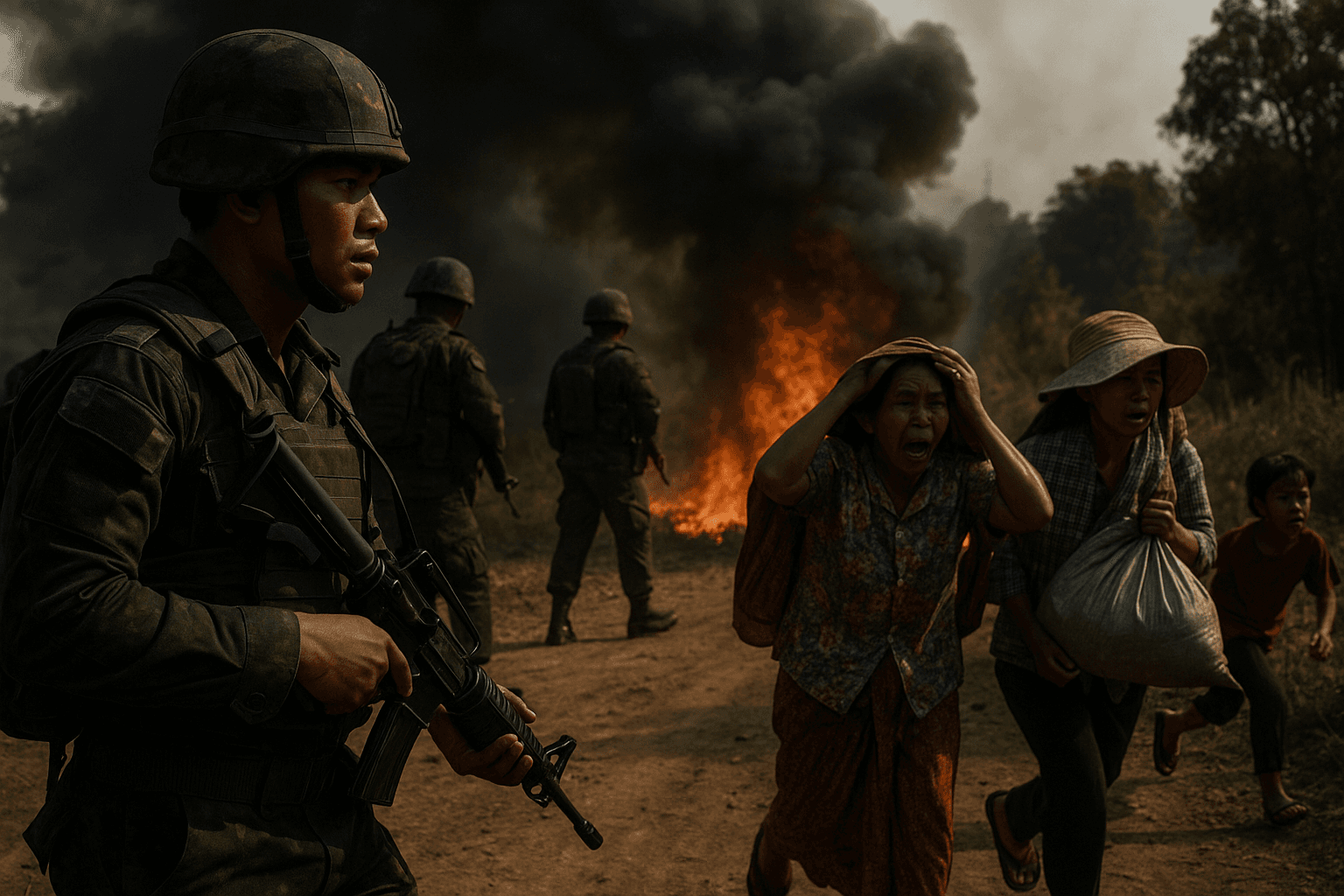
Regional diplomats expressed alarm at the rapid deterioration and urged immediate de escalation. Leaders in the Association of Southeast Asian Nations have traditionally preferred quiet diplomacy to public statements, but the scale of displacement and reports of civilian harm are testing that approach. International humanitarian organizations are calling for unfettered access to affected populations and for both militaries to take urgent measures to avoid civilian casualties.
The conflict has broader strategic implications. A sustained rupture would strain relations between neighboring states and could complicate economic and people to people ties that have been recovering since the pandemic. It would also revive scrutiny of how external powers engage with local disputes. For now, hopes rest on diplomatic channels reopening and on the capacity of leaders in Bangkok and Phnom Penh to rein in forces on the ground before the violence deepens into a wider confrontation.
Sources:
Know something we missed? Have a correction or additional information?
Submit a Tip