Russian and Chinese Bombers Conduct Joint Patrol Near Okinawa and Miyako Islands
Two Russian Tu 95 bombers and two Chinese H 6 bombers carried out a long range joint flight near Okinawa and the Miyako islands, prompting Japan to scramble fighter jets and raising tensions across the region. The operation and related activity in South Korea highlight accelerating military coordination between Moscow and Beijing, with implications for regional security, defence budgets and commercial shipping.
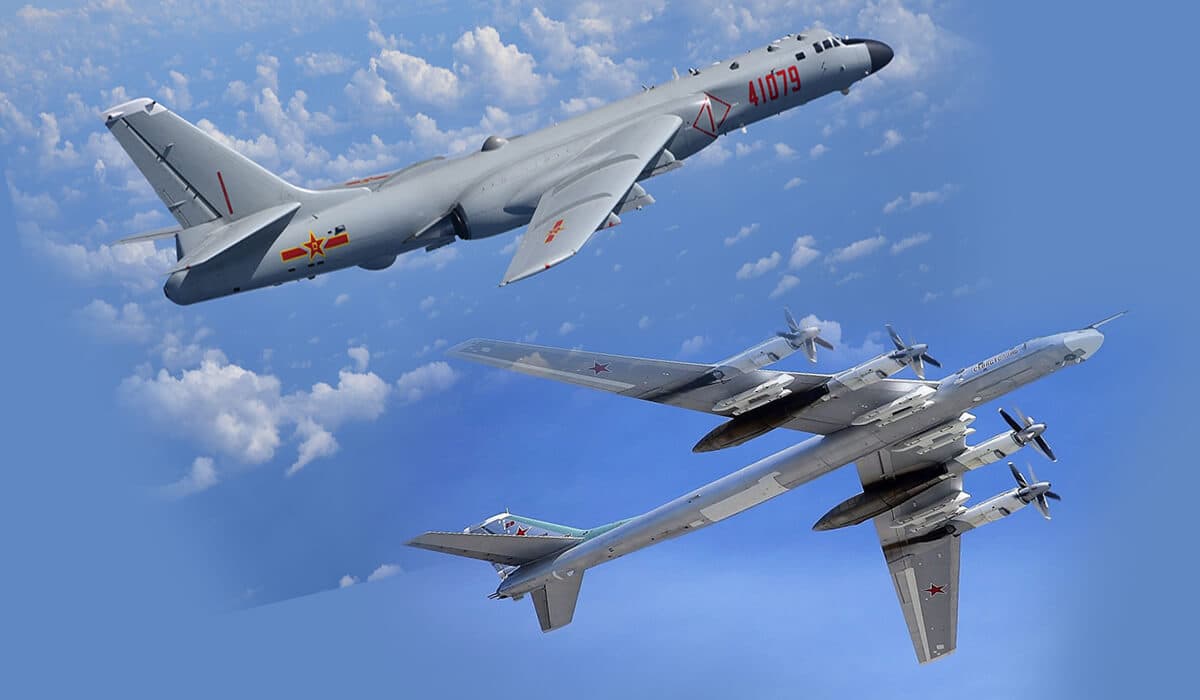
Japanese defence officials say two Russian Tu 95 strategic bombers flew from the Sea of Japan into the East China Sea on December 10, 2025 to rendezvous with two Chinese H 6 bombers for a long range joint flight in the Pacific near Okinawa and the Miyako islands. Tokyo scrambled fighter jets to monitor the mission, which Japanese authorities described as a show of force. The operation also involved Chinese J 16 fighters, while Russia deployed an A 50 early warning aircraft and Su 30 fighters in the Sea of Japan.
Seoul reported related activity on December 9, saying seven Russian and two Chinese aircraft entered and left its Air Defence Identification Zone and prompted South Korean defensive air responses. Japanese officials stressed that the flights did not enter national airspace, but said the missions raised security tensions in waters and airspace close to Japan and South Korea.
The pattern of activity underscores a sharper military convergence between Moscow and Beijing that Tokyo and Seoul view as a strategic problem. From a defence planning perspective, joint bomber flights extend the reach of both countries and complicate allied monitoring and response calculations. For Japan the missions come amid a sustained effort to bolster deterrence. Since 2022 Tokyo has announced stepped up defence spending and new procurements intended to expand surveillance and interceptor capabilities, a shift that officials say is necessary to deter more frequent long range flights by near peer powers.
Market participants will watch for secondary economic consequences. Elevated military activity often raises risk premia for shipping through nearby sea lanes, and insurers and freight markets can add an implicit surcharge when tensions climb. Energy markets are sensitive to moves that threaten trade flows in Northeast Asia. Investors also tend to re price risk for regional equities, and defence industry shares typically attract increased attention when governments signal sustained military build up.
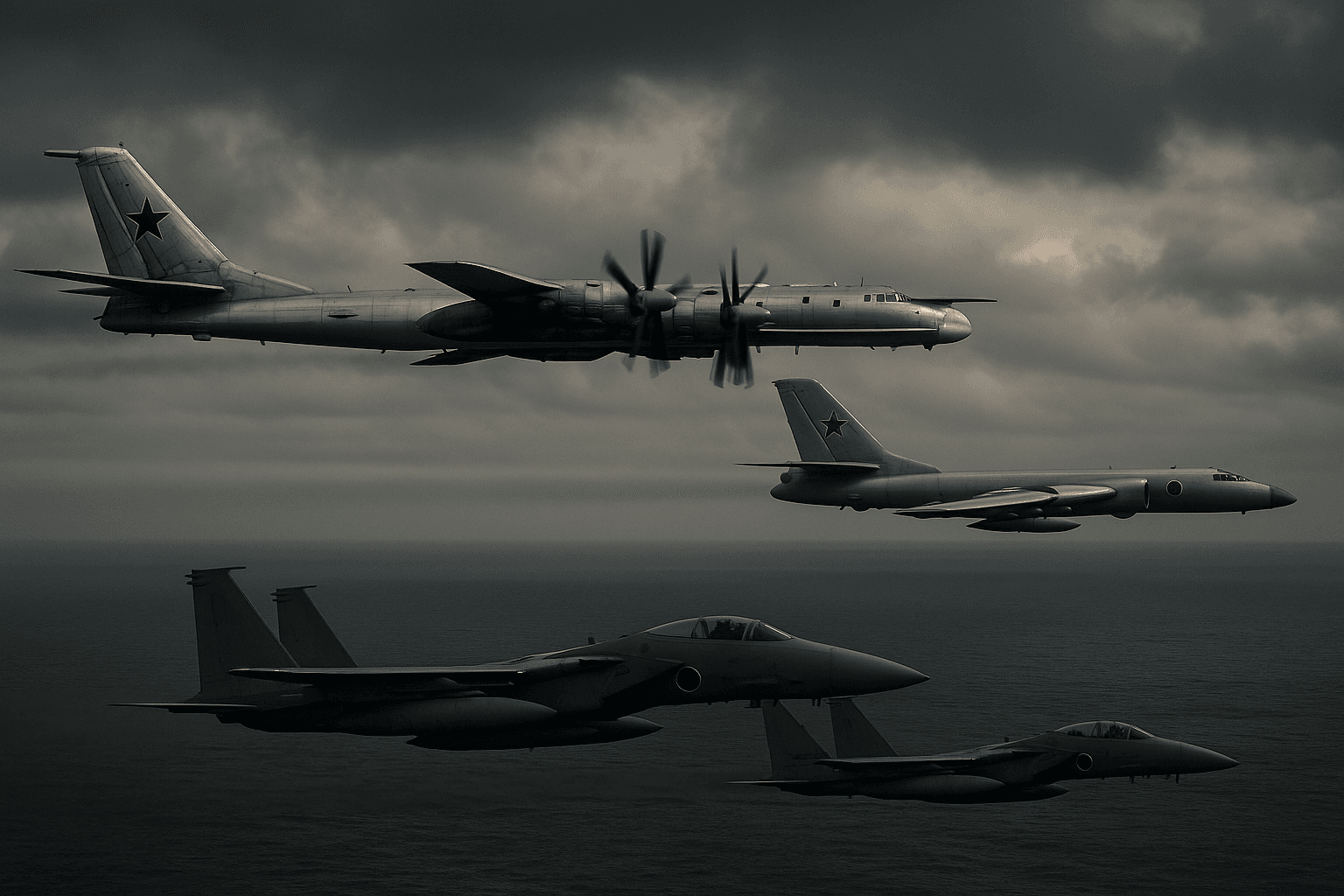
Policy implications extend beyond immediate military posture. The flights put pressure on alliance coordination between Tokyo, Seoul and Washington, and are likely to figure in upcoming ministerial consultations. Tokyo and Seoul could pursue stepped up intelligence sharing, more frequent joint exercises, and accelerated procurement of long range surveillance and interceptor aircraft. Diplomatically the missions increase the imperative for dialogue channels to reduce the risk of miscalculation, while also hardening domestic political support for higher defence outlays.
Long term, the patrols reflect a broader trend of deeper Sino Russian military cooperation as both governments seek to project power and test allied responses. For regional economies the principal risk is not direct conflict, but a sustained rise in the security premium that increases costs for trade and forces governments to divert resources to defence rather than productive investment. For now Tokyo and Seoul are signaling vigilance, and markets will be watching how quickly allied responses translate into concrete policy shifts and defence spending commitments.
Sources:
Know something we missed? Have a correction or additional information?
Submit a Tip