Congo Urges U.S. Sanctions on Rwanda as Violence Escalates
Democratic Republic of Congo foreign minister Therese Kayikwamba Wagner appealed to the United States to expand targeted sanctions on Rwanda after a rapid M23 advance rekindled deadly fighting in eastern DRC. The request underscores growing frustration in Kinshasa and raises fresh questions about Washington's leverage over Kigali and the fragile peace efforts it recently helped broker.
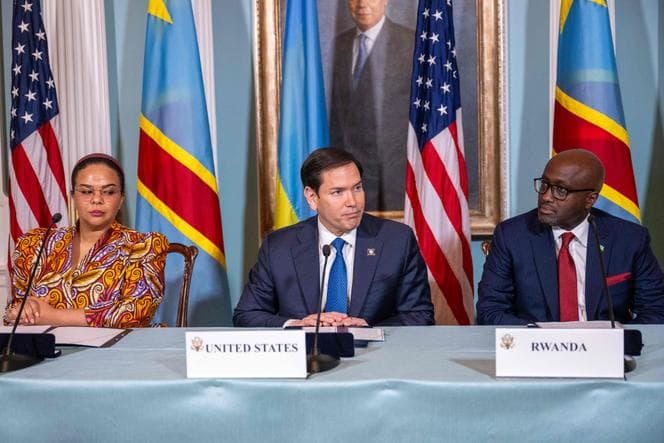
Democratic Republic of Congo foreign minister Therese Kayikwamba Wagner on December 10 urged the United States to impose expanded targeted sanctions on Rwanda as a swift offensive by the M23 rebel group drove renewed bloodshed and displacement in eastern Congo. Her appeal came in the wake of a rapid rebel advance into strategic towns, which Kinshasa and several international actors say was supported by Rwanda, and which left dozens dead and triggered large civilian movements.
The request was directed at Washington, the architect of a recent diplomatic push to stabilize the region. Less than a week earlier a meeting in Washington had sought to shore up regional commitments to peace, but the eruption of fighting has exposed the fragility of that effort. Diplomats told reporters that the United States has options on the table for a new sanctions package if Rwanda does not meet commitments made during those talks.
Wagner asked for measures designed to constrain the Rwandan military leadership and choke procurement channels that could be used to sustain proxy forces. Targeted sanctions could range from travel restrictions for individuals to measures aimed at entities involved in arms acquisitions or logistics. Congolese officials argue such steps are necessary to deprive proxy networks of external support and to restore the leverage of diplomatic initiatives that have repeatedly faltered.
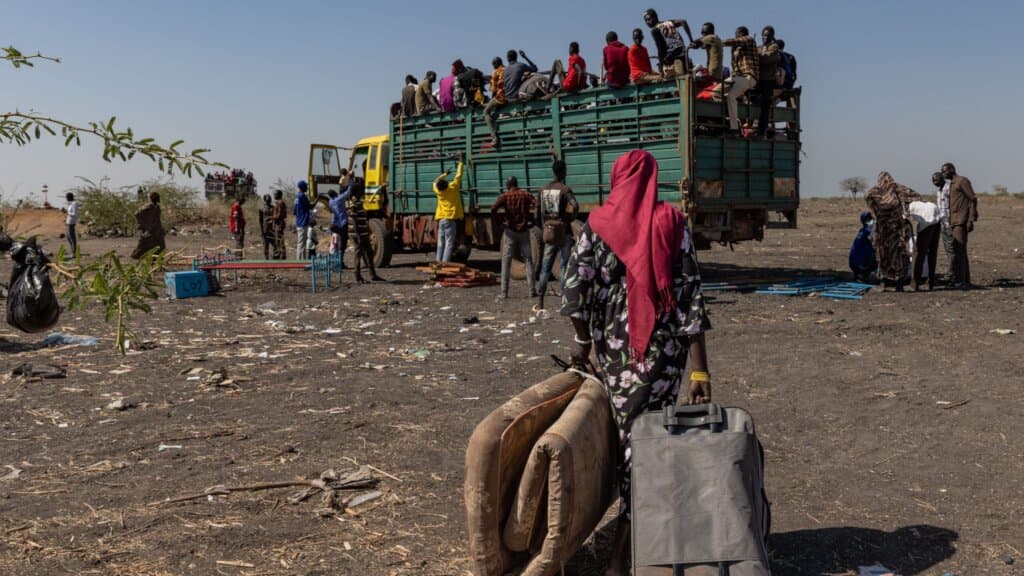
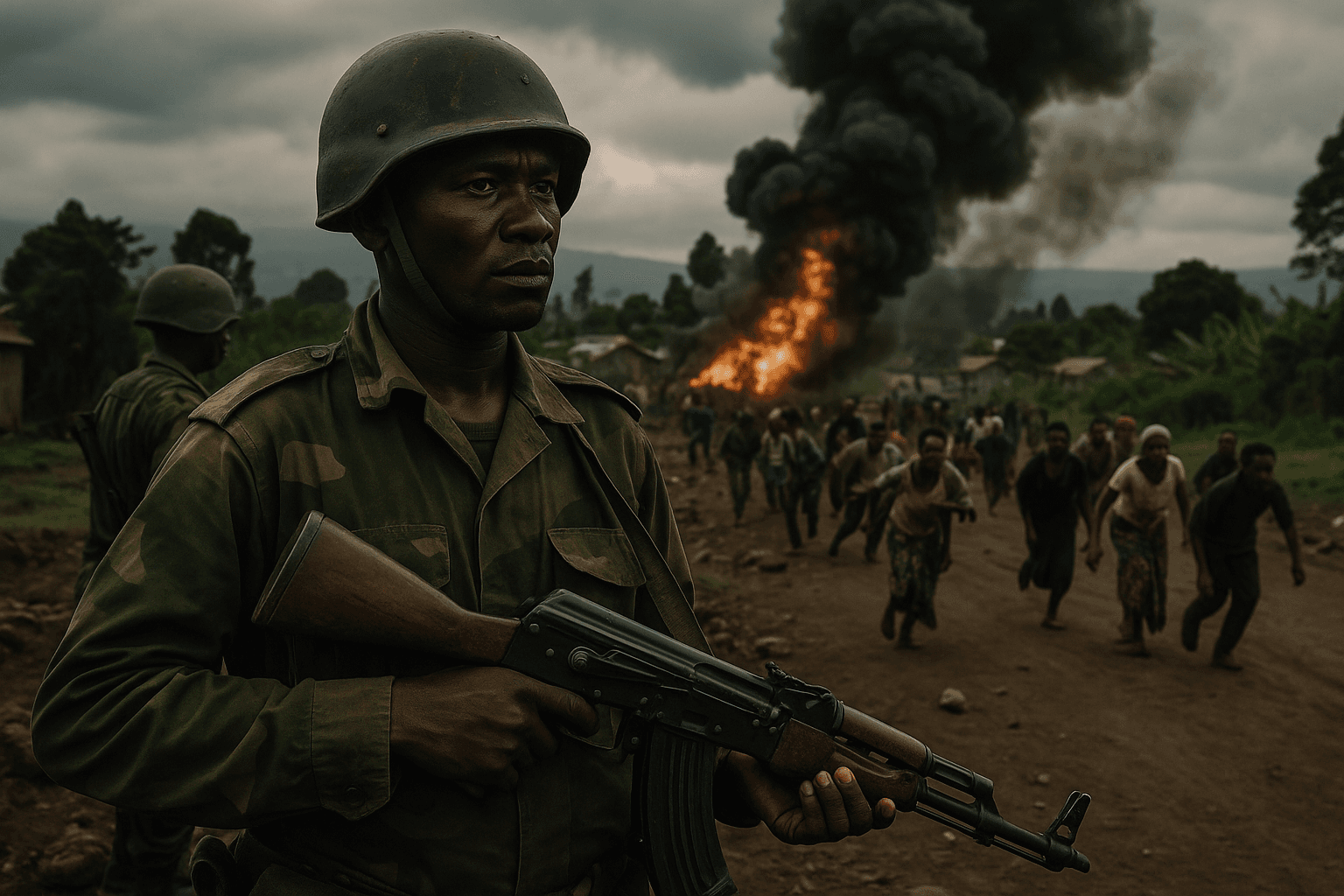
The resurgence of M23 raises difficult questions for international diplomacy. The group has seized ground in recent operations and the sudden advances into towns considered strategic for control of eastern provinces have heightened fears of a broader collapse in local security. Civilians bore the immediate cost, with mass displacements that strain scarce humanitarian services and create complex cross border pressures in a region already coping with long standing grievances and fragile state capacity.
For the United States the request from Kinshasa is politically complicated. Washington has cultivated security and development ties across the region and has recently invested diplomatic capital in the Washington meeting that sought to secure commitments from capitals including Kigali. Imposing sanctions on Rwandan military figures would test those ties and could have broader geopolitical consequences, affecting counterterrorism cooperation and regional alignments.
Legal and diplomatic norms are central to the debate. Support for armed proxies in another state violates foundational principles of sovereignty and non intervention, and can trigger a range of international responses. Advocates for sanctions argue that carefully tailored measures can preserve diplomatic channels while altering the cost calculus for states that use proxies as instruments of policy. Opponents warn that sanctions without multilateral backing risk entrenching grievances and undermining dialogue.
The developments in eastern Congo will intensify scrutiny by regional organizations, United Nations bodies and donor states. For communities on the ground the immediate priorities are protection, shelter and humanitarian access. For diplomats the challenge is to translate a fresh appeal from Kinshasa into credible action that halts the fighting, prevents further displacement and preserves space for negotiations that can address underlying dynamics driving the conflict.
Sources:
Know something we missed? Have a correction or additional information?
Submit a Tip