U.S. Threatens Major Aid Cuts to South Sudan, Demands Action
The United States has warned it will reduce foreign assistance to South Sudan unless Juba halts what Washington calls illicit charges on humanitarian supplies, escalating pressure on a government already accused of undermining relief efforts. The move matters because the United States is South Sudan's largest donor, and deeper cuts could worsen an ongoing humanitarian emergency while reshaping donor leverage and regional stability.
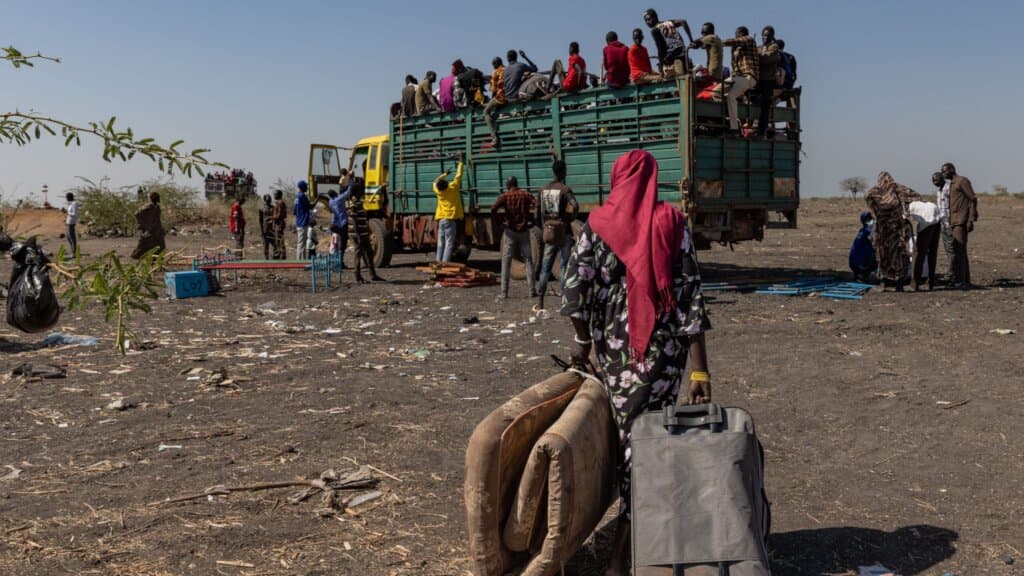
The United States issued an unusually sharp warning to South Sudan on Thursday, saying it will curtail foreign assistance unless the government stops levying fees on humanitarian shipments that Washington describes as illegal. In a statement titled "Time to Stop Taking Advantage of the United States," the U.S. Bureau of African Affairs accused Juba of "imposing exorbitant fees on humanitarian shipments" and "obstructing U.N. peacekeeping operations," actions the bureau called "egregious violations of South Sudan's international obligations."
The threat comes as donors have repeatedly protested attempts by South Sudanese authorities to collect taxes or charges on imports destined for humanitarian agencies. The United States, the largest humanitarian donor to South Sudan, has already implemented rapid and deep aid reductions earlier this year. Washington said that if the fees are not halted immediately it will "initiate a comprehensive review of our foreign assistance in South Sudan with the likelihood of making significant reductions."
Armed conflict has persisted since the end of a five year civil war in 2018, complicating delivery of food, medicine and shelter. A U.N. report published in September identified corruption by political elites as a major driver of the country’s humanitarian crisis. The South Sudanese government has pointed to continuing conflict, climate shocks and regional disruptions to oil as central causes of economic strain.
Aid agencies say extra costs and bureaucratic hurdles slow deliveries, raise operating expenses and reduce the quantity of relief that reaches vulnerable communities. Charging fees on humanitarian consignments creates incentives for diversion and rent extraction, donors argue, and it can make operations financially unsustainable for non governmental organizations that rely on tight budgets and predictable supply chains.
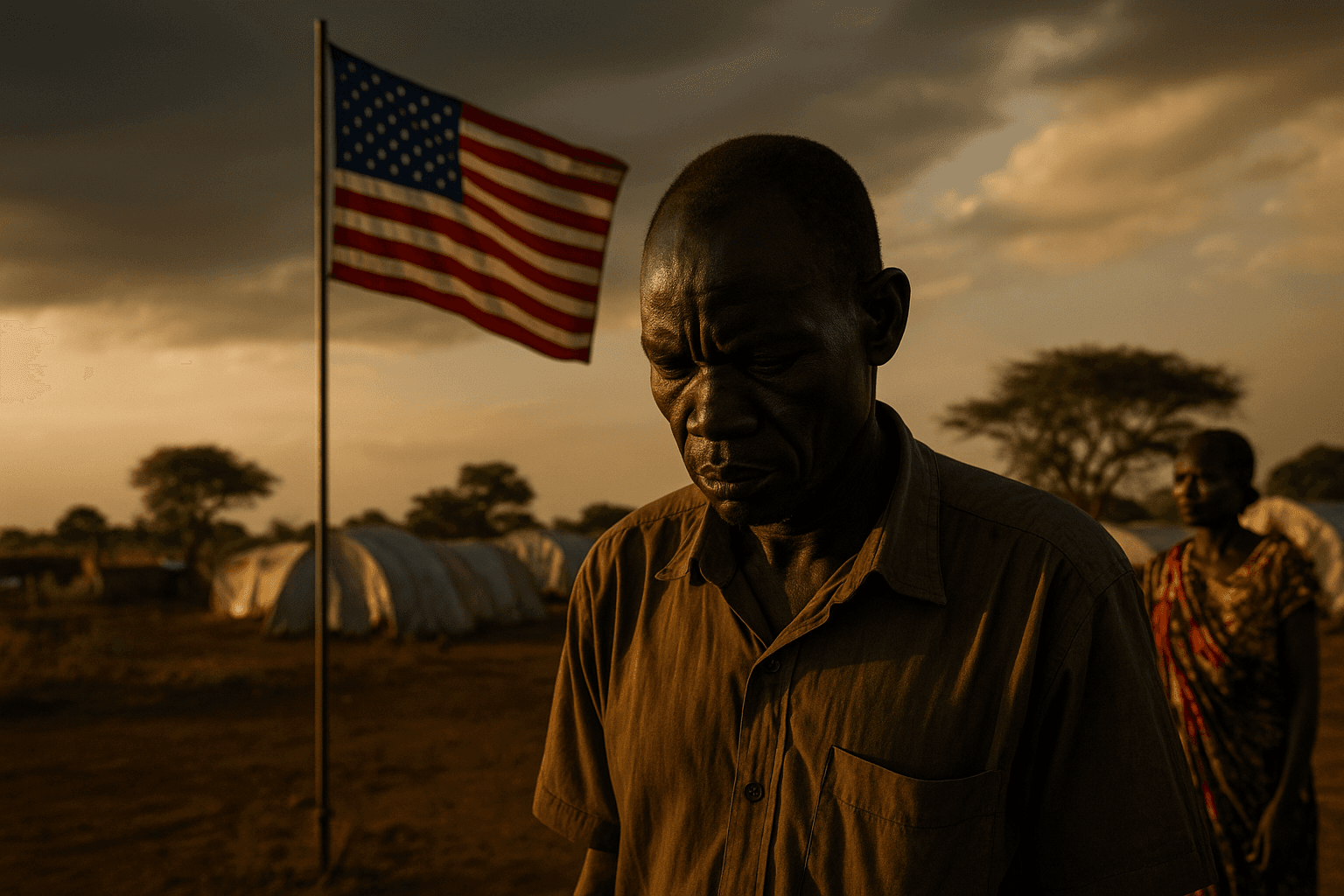
For Washington, the announcement signals a shift toward tougher conditionality after months of limited leverage in a context of persistent instability. Cutting aid would intensify immediate pressures on local markets that depend on humanitarian supplies, risk higher food insecurity, and could force international agencies to scale back programs that support basic health and nutrition services. It also raises the prospect of narrower space for the U.N. mission, whose freedom of movement is central to both protection and monitoring tasks.
The policy calculation for donors is complex. Reductions could punish and pressure Juba into compliance, but they could also compound suffering and create openings for rival influence in a country whose economy is heavily linked to oil revenue and regional trade. Donor coordination will be key, because unilateral reductions by one country may have limited effect if other providers maintain funding without stronger conditions.
Longer term, the dispute highlights enduring trends in fragile states, where weakened governance, resource scarcity and climate impacts combine to raise the cost of providing aid. The U.N. finding on corruption underscores the structural challenges that will not be solved by funding alone. As Washington prepares its review, the immediate question is whether the South Sudanese government will remove the charges and restore unhindered access, or whether donors will follow through on reductions that could reshape both the humanitarian response and the political calculus in Juba.
Sources:
Know something we missed? Have a correction or additional information?
Submit a Tip