Internal gang coalition clash kills dozens in Port au Prince
Intense fighting within a powerful gang coalition in Port au Prince left at least 49 people dead and dozens more injured, human rights monitors and local media reported, deepening a humanitarian crisis in the Haitian capital. The outbreak undermines a fragile 2023 truce, constrains aid access, and raises fresh economic and political risks ahead of planned national elections.

At least 49 people were killed and dozens more injured on December 10, 2025, after fierce internal fighting erupted among factions of a dominant gang coalition in Port au Prince, local human rights monitors and media said. The Committee for Peace and Development and other groups reported that the casualties included children and that some victims were burned or mutilated. Accounts described the beheading of a senior gang figure and said prominent leader Kempès Sanon sustained injuries in the clashes.
The violence represents a dramatic reversal in a pattern that had calmed following the formation of the Viv Ansanm coalition in 2023. That alliance temporarily reduced open warfare between gangs, but the December 10 outbreak shows that the coalition was brittle and susceptible to internal fracture. Analysts warn that the breakdown of intra coalition cohesion will likely sharpen competition for territory and extortion revenues in the capital.
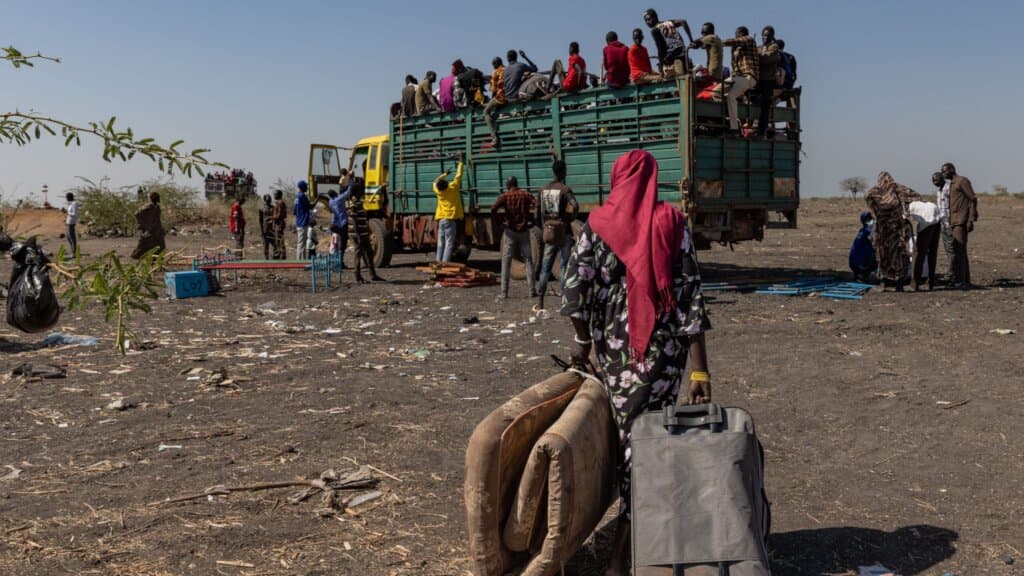
Civilians in affected neighborhoods sheltered in place as gunfire and explosions echoed through densely populated districts, monitors said. Humanitarian organizations and journalists reported constrained access to the hardest hit areas, a situation that raises acute concerns about additional uncounted casualties and deteriorating living conditions. With movement restricted, hospitals and clinics face problems obtaining medical supplies and personnel, compounding the toll from mass injuries.
The spike in violence carries immediate economic consequences for a city and country already grappling with deep fragility. Commercial activity in Port au Prince has been periodically disrupted by insecurity, and repeated episodes of gang control over key corridors have interrupted fuel deliveries, market supply chains, and port operations. Those disruptions push up transport and food costs for households and businesses, contributing to inflationary pressures that disproportionally affect poorer families.
Remittances and informal trade remain essential lifelines for many Haitian households, and renewed instability typically dampens inflows and discourages formal investment. Tourism and formal foreign direct investment are unlikely to recover while high profile incidents of mass violence persist, further narrowing fiscal space for a government with limited capacity to respond. The humanitarian response will likely demand additional donor funding to cover medical care, shelter, food and water, creating a trade off with other public priorities.
Politically the fighting complicates an already fraught electoral environment. Planned national elections face the dual risks of lower turnout and logistical impediments if insecurity spreads to polling areas or if voters fear travel. A breakdown in public order ahead of elections can also harden calls for external interventions or alternative security arrangements, options that carry their own political and fiscal consequences.
Long term, analysts say the episode underscores a persistent structural problem in Haiti. The fragmentation of armed groups, intermittent attempts at coalition building, and the absence of monopoly on legitimate force by the state create a cycle of short lived truces and sudden violence. Restoring basic security and predictable governance will require sustained international and domestic engagement focused on protecting civilians, restoring humanitarian access, and addressing the economic drivers that make gang revenue streams attractive to young men in the capital.
Sources:
Know something we missed? Have a correction or additional information?
Submit a Tip