U.N. Finds Venezuela National Guard Committed Crimes Against Humanity
An independent United Nations fact finding mission released a report today concluding that Venezuela's Bolivarian National Guard perpetrated systematic abuses that may amount to crimes against humanity. The findings deepen international scrutiny of Caracas, raise prospects for accountability, and escalate diplomatic tensions particularly with the United States.
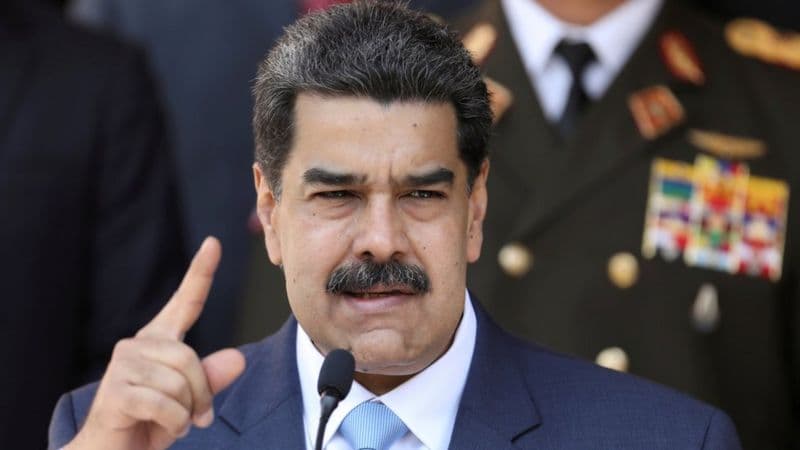
An independent United Nations fact finding mission concluded today that Venezuela's Bolivarian National Guard engaged in systematic abuses over more than a decade, documenting arbitrary detentions, torture and sexual violence used as tools of political repression. The report, presented to member states, details patterns of misconduct by the GNB in the context of elections, public protests and targeted operations, and signals a significant escalation in international scrutiny of Caracas.
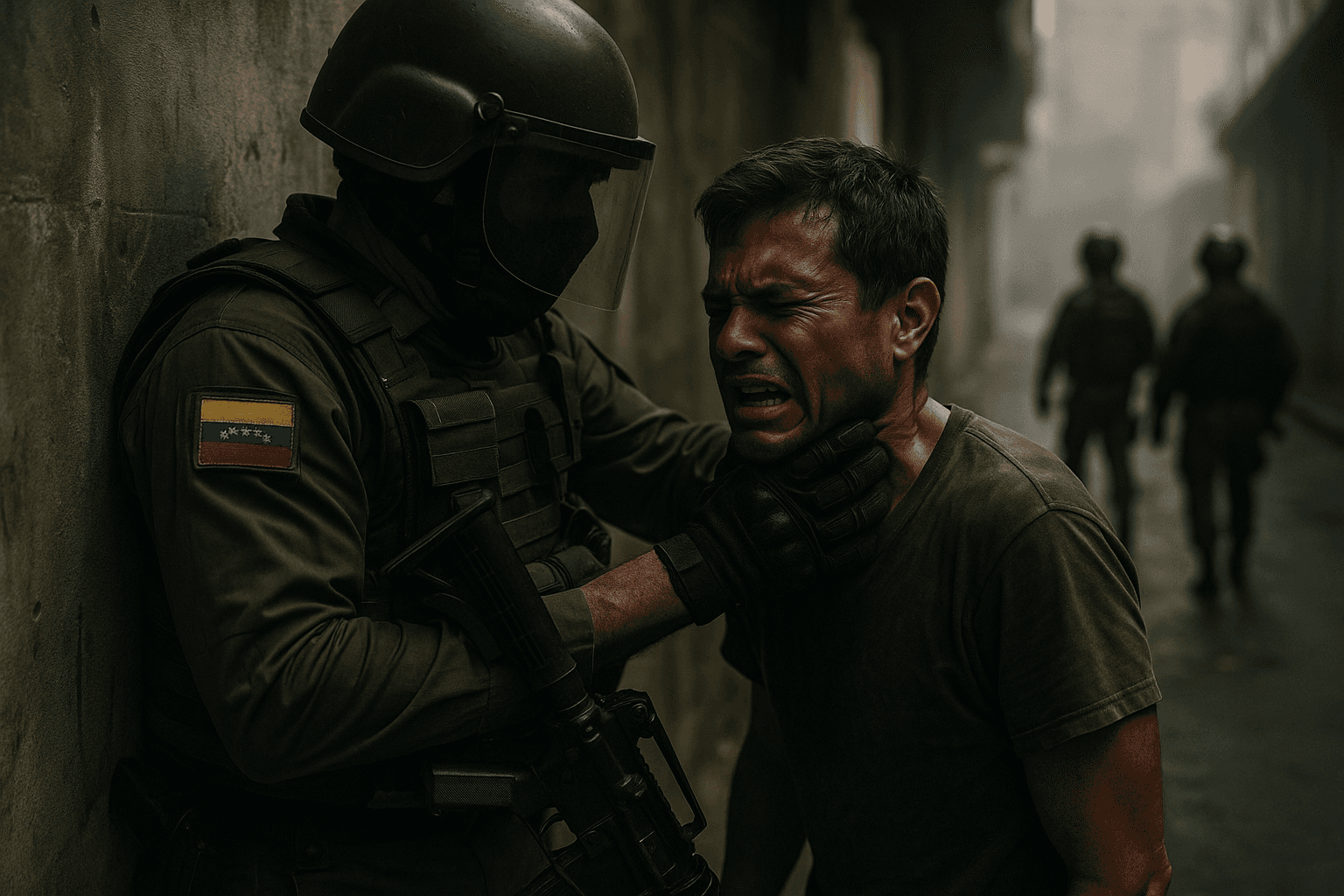
Investigators said the abuses were not isolated incidents but part of a broader system of repression. The mission highlighted the GNB's participation in post election raids and singled out a so called 'knock knock' operation carried out in 2024 as emblematic of tactics used to intimidate and silence government critics. According to the mission, methods ranged from prolonged unlawful detention and beatings to sexual violence intended to punish and terrorize civilian opponents of the government.
The legal framing in the report is consequential. By describing the conduct as systematic and directed against a civilian population, the mission says the acts meet the threshold for crimes against humanity under international law. That designation carries implications for jurisdictions and institutions that can investigate and prosecute serious international crimes, and it increases pressure on states and international organizations to take concrete measures to ensure accountability.
Caracas has rejected the findings. The Venezuelan government denies responsibility for systematic abuses by its security forces and has dismissed the mission's work as politically motivated. The clash over credibility is likely to complicate any cooperation with international investigators and to harden domestic political divisions at a time when Venezuela remains economically strained and socially fragmented.
The timing of the report matters for diplomacy. Washington has already maintained strained relations with Caracas over human rights, migration and energy policy, and the findings are expected to amplify calls in Congress and among allied capitals for renewed measures targeting Venezuelan officials. Regional governments in Latin America will face pressure to respond, balancing demands for human rights accountability with concerns about political stability and migration flows.
For victims and the Venezuelan diaspora the report may offer validation and a new avenue for international advocacy. For international lawyers and human rights investigators the mission provides a detailed evidentiary basis to pursue further steps, including referrals to competent international bodies, criminal investigations by national courts under universal jurisdiction, and targeted sanctions.
The U.N. mission's conclusions mark a pivotal moment in the international response to Venezuela's prolonged crisis. They are likely to shape diplomacy, humanitarian calculations and legal debates in capitals from Bogota to Brussels for months to come, as governments and institutions weigh how to translate findings into credible measures that uphold human rights without inflaming an already volatile political landscape.
Sources:
Know something we missed? Have a correction or additional information?
Submit a Tip