Bolivia detains former president Luis Arce in embezzlement probe
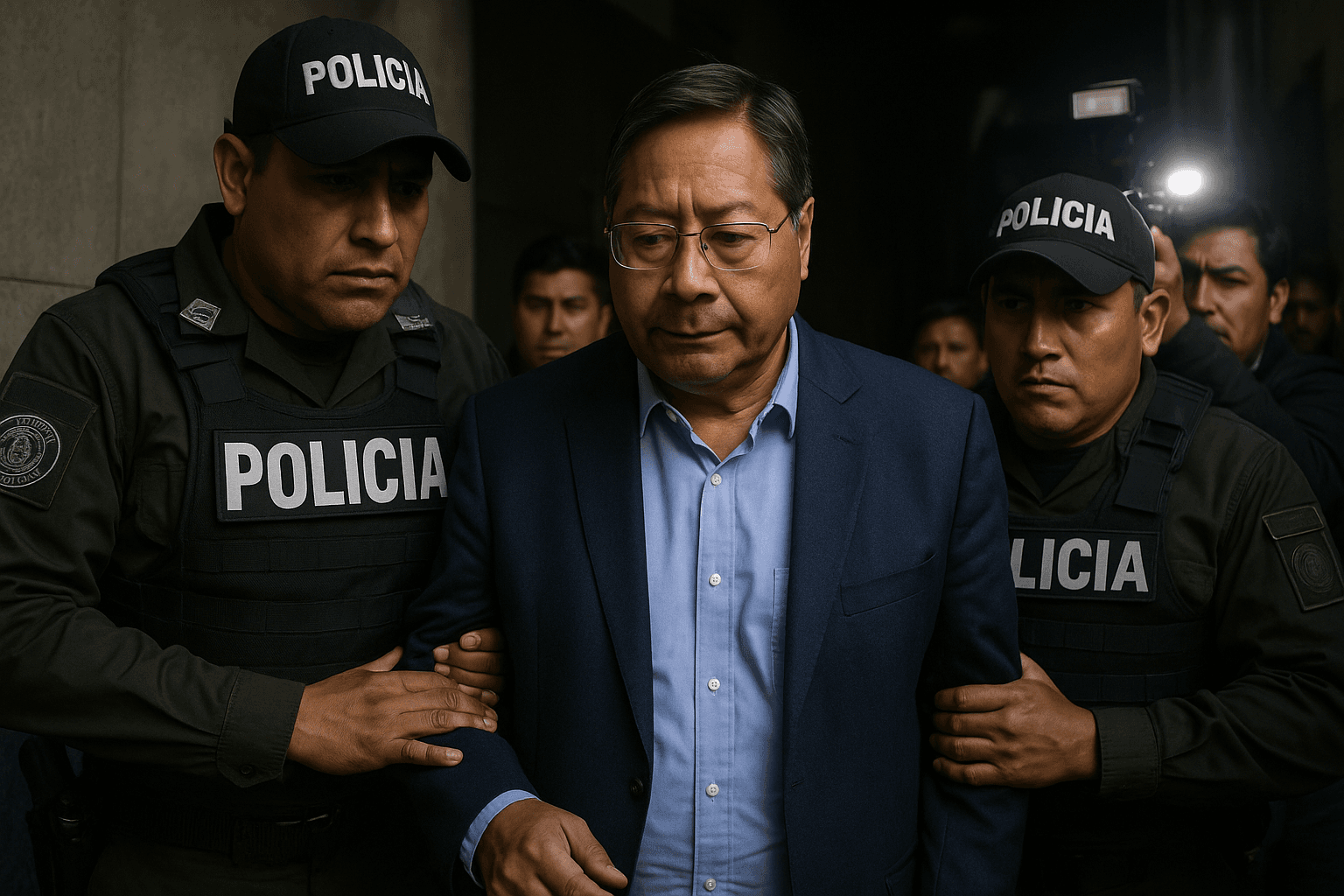
Bolivia’s former president Luis Arce was detained by police on December 10, 2025, as prosecutors opened an investigation into alleged irregular disbursements tied to a fund for Indigenous community projects. The move raises political and economic stakes for a country with strategic mineral resources, and will test the new administration’s promise of robust anti corruption enforcement.
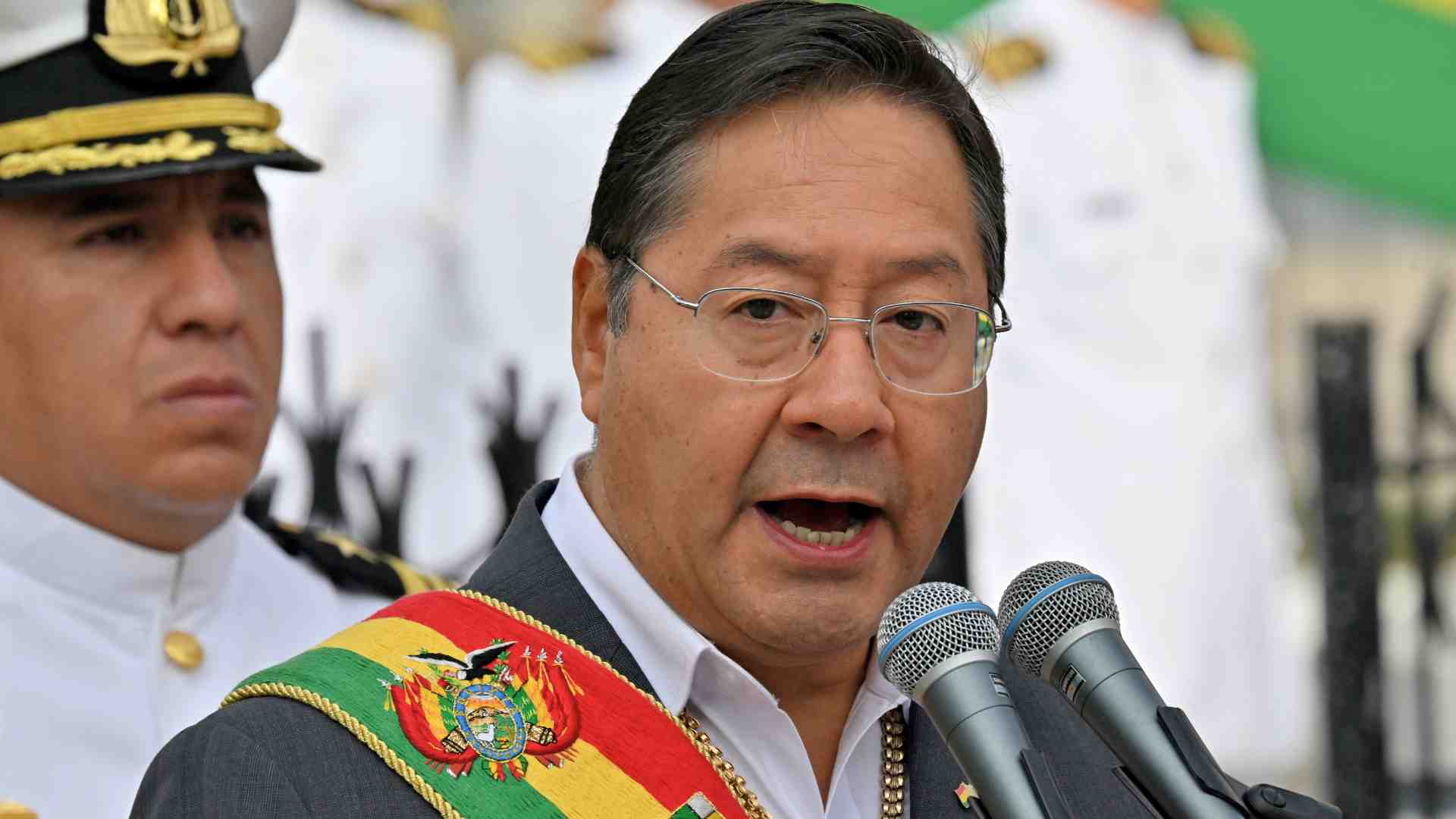
Bolivia’s former president Luis Arce was taken into custody by police on December 10, 2025, as part of a corruption investigation that prosecutors say concerns irregular disbursements linked to a fund established for Indigenous community projects. Prosecutors say the alleged irregularities date to Mr. Arce’s earlier tenure as economy minister in the administration of Evo Morales, and local authorities emphasized the case involves alleged embezzlement rather than actions carried out while he occupied the presidency.
The attorney general confirmed that Mr. Arce will be brought before a judge as authorities pursue criminal proceedings. The detention comes after a change in national government earlier this year, and allies of the former president denounced the move as politically motivated. The case is likely to deepen domestic political tensions as the new administration publicly prioritizes anti corruption measures.
The probe centers on a fund created to finance community projects in Indigenous areas, a portfolio of programs that has been politically salient in Bolivia for decades. The details of the alleged disbursements and the sums involved have not been disclosed publicly by prosecutors. By framing the investigation as rooted in Mr. Arce’s prior role as economy minister rather than in acts taken while he served as president this year, authorities appear to be seeking a legal pathway that avoids questions about presidential immunity and the separation of powers.
The arrest has potential economic repercussions. Bolivia remains a country of strategic importance to global minerals markets, holding some of the world’s largest known lithium salt flat deposits. Any increase in perceived political risk can raise financing costs for the state and for private projects, most notably in mining and energy infrastructure that require long term investment. International investors and lenders typically respond to high profile corruption probes by repricing sovereign risk, which can lead to wider spreads on sovereign debt and tighter conditions for foreign direct investment.
Domestically the case could affect public confidence in governance and the continuity of social programs financed in part by revenues from resource sectors. Mr. Arce’s economic record as finance minister and later as president was associated with state led development policies and pro poor spending that helped maintain social stability. A protracted legal fight may complicate policy making and budget execution if it triggers political mobilization or judicial interventions.
How the judiciary manages the proceedings will be watched closely by markets and diplomatic partners as a barometer of rule of law in Bolivia. For the new administration, the case offers an opportunity to demonstrate serious anti corruption enforcement, but also a risk that prosecutions perceived as selective will stoke polarization. The immediate economic impact will depend on the transparency of the investigation and the speed with which legal authorities move the case through the courts, factors investors typically read as signals of institutional strength or fragility.
Sources:
Know something we missed? Have a correction or additional information?
Submit a Tip