Venezuelan Nobel Laureate Machado Declines Oslo Attendance, Daughter Accepts
The Norwegian Nobel Institute says María Corina Machado will not attend the Oslo ceremony to receive the 2025 Nobel Peace Prize, citing her precarious security situation and restrictions imposed by Venezuelan authorities. Her daughter Ana Corina Machado will accept the prize and deliver a speech written by her mother, a move that underscores the political dangers Machado faces and amplifies international scrutiny of Venezuela.
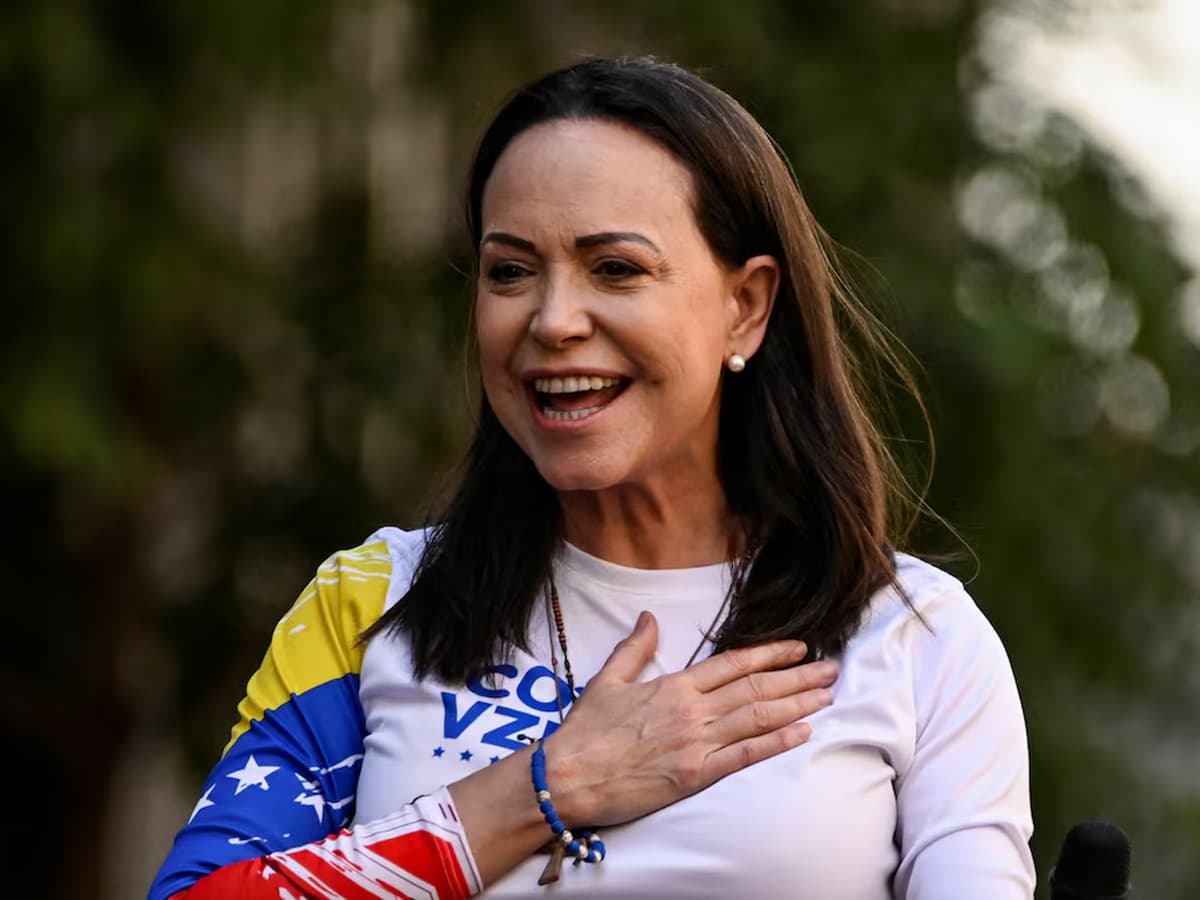
The Norwegian Nobel Institute announced today that María Corina Machado, the Venezuelan opposition leader awarded the 2025 Nobel Peace Prize, will not be present at the ceremony in Oslo. Machado is living in hiding amid criminal investigations and a travel ban imposed by Venezuelan authorities, the institute said, and only a small circle of people has been informed of her movements. In her stead, her daughter Ana Corina Machado will accept the prize and deliver the speech Machado wrote.
Organizers and visiting delegations in Oslo include regional political figures and members of Machado’s family, underscoring the international attention the award has drawn. The decision by Machado to remain away from the public ceremony reflects the acute personal and political risks she confronts if she travels openly, and it transforms a ceremonial moment into a focal point for debate about state power, political dissent and human rights in Venezuela.
The Nobel Institute cited concerns about Machado’s security when explaining the absence. Venezuelan authorities have placed travel restrictions on the opposition leader and opened criminal investigations, measures that her supporters and international observers say are politically motivated. The prize committee’s award is intended to highlight efforts to defend democratic norms and protect citizens from repression, yet Machado’s inability to attend the ceremony in person dramatizes the limits that states can place on political opponents even after they receive global recognition.
The substitution by Machado’s daughter is laden with symbolism. A family member accepting a prize on behalf of an absent laureate has precedent, yet the circumstances in this case are specific to a polarized political environment where visible dissent can trigger legal and security consequences. With regional leaders present in Oslo, the ceremony may amplify diplomatic pressures on Caracas and broaden international discussion about Venezuela’s approach to political opposition.
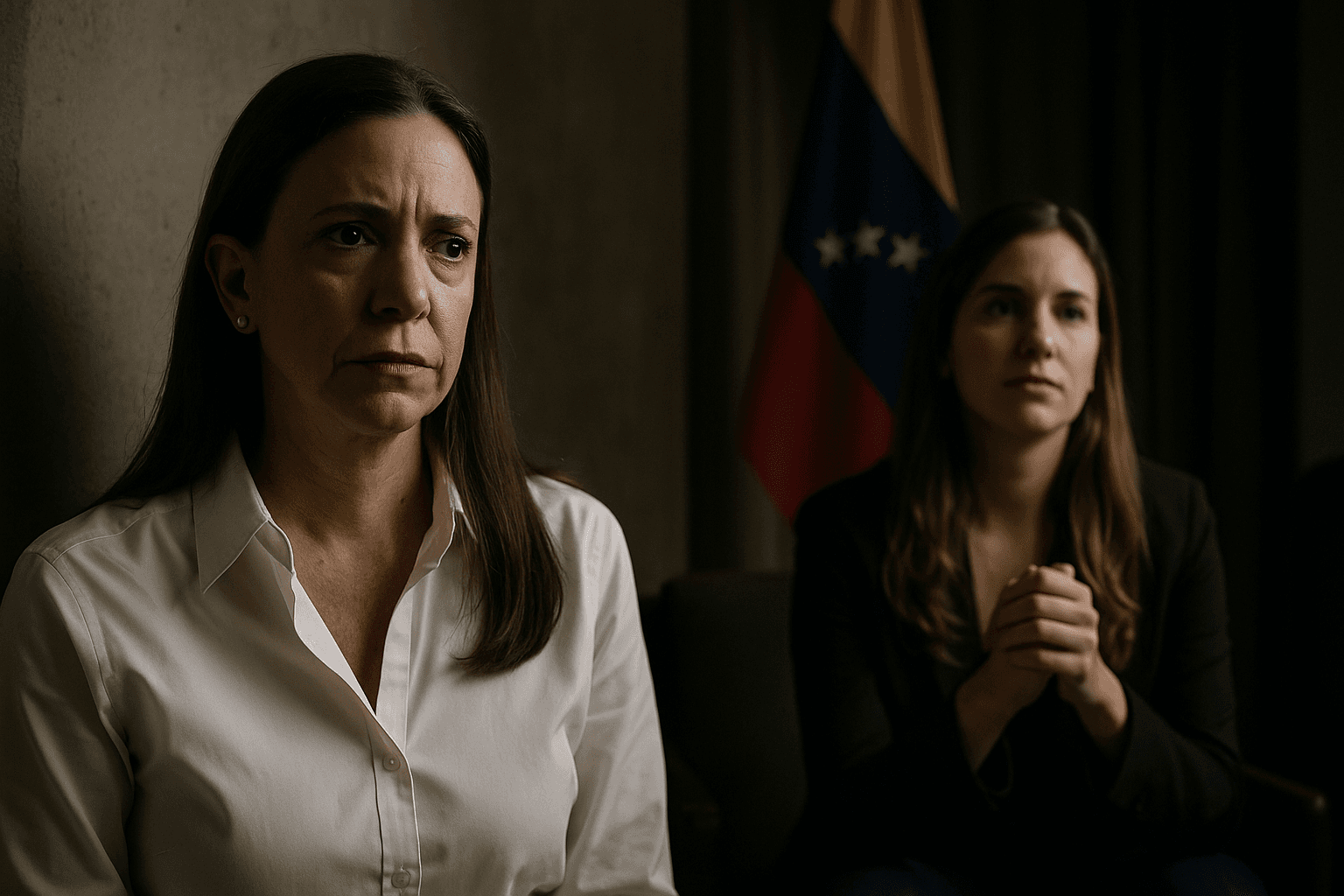
Legal and diplomatic questions are likely to follow. Travel bans and criminal charges against political figures raise issues about freedom of movement, due process and the use of judicial systems in political contests. The Nobel recognition may increase scrutiny from foreign governments and international rights organizations, which could press for clarification about the legal basis for the restrictions placed on Machado and for assurances that political activism is not criminalized.
For Machado’s supporters the award is a vindication and an instrument of international solidarity. For her opponents it is a provocation. The Nobel Committee’s decision to proceed with the ceremony while accommodating Machado’s security realities balances the institute’s mandate to honor peacemaking efforts with the practical difficulties of honoring a laureate who cannot travel publicly without significant risk. Reporting on this development is based on coverage by NRK and Reuters.
Sources:
Know something we missed? Have a correction or additional information?
Submit a Tip