Fighting flares in eastern Congo, undermining Washington peace pact
Fighting is raging in eastern Democratic Republic of Congo hours after a high profile Washington ceremony in which Congolese and Rwandan leaders reaffirmed a U.S. brokered peace deal, highlighting the fragility of commitments on the ground. The violence threatens civilian lives, schooling and the stability investors had been courting for access to the region's strategic minerals.

Fighting is raging in eastern Democratic Republic of Congo, with heavy clashes reported on Friday in South Kivu province only a day after U.S. President Donald Trump hosted Congolese and Rwandan leaders in Washington to reaffirm a U.S. brokered deal reached in June. The ceremony in the U.S. capital sought to stabilise the vast country and pave the way for greater Western mining investment, but the violence on the ground exposes deep enforcement and political gaps.
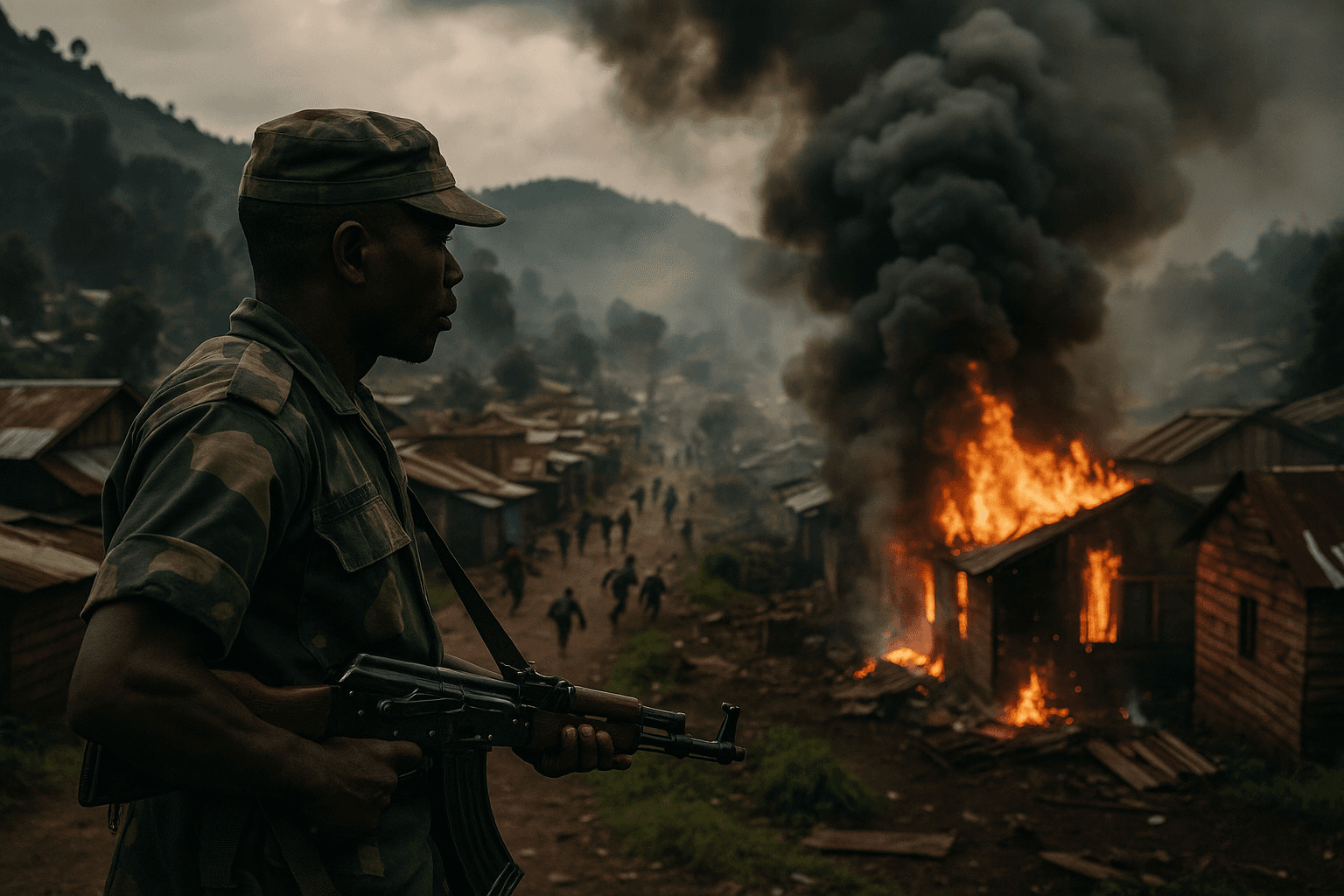
The Rwandan backed AFC/M23 rebel group, which seized the region's two largest cities earlier this year and is not a party to the Washington agreement, said government forces were carrying out widespread attacks and reported 23 people killed with several others wounded in bombardments that struck towns across South Kivu. The Congolese army issued a statement that it was not targeting civilians, while also saying clashes were ongoing and alleging Rwandan forces were conducting bombardments. Reuters journalists reported families fleeing and videos showing displaced people near Luvungi.
UNICEF said it was alarmed by clashes on December 3 and 4 in South Kivu that hit three schools and another site near a school, reportedly killing at least seven children and injuring others. The U.N. children's agency urged an immediate halt to attacks on schools and called on all parties to the conflict to let children learn in safety. The toll on education and civilian infrastructure compounds an already severe humanitarian crisis in eastern Congo, where recurring cycles of violence have displaced hundreds of thousands over recent years.
The clash between diplomatic optics in Washington and battlefield realities in eastern Congo carries immediate economic risks. The eastern provinces of the country are rich in minerals such as cobalt and copper that are essential to electric vehicle batteries and global electronics supply chains. The June deal and the December reaffirmation were intended in part to reassure Western mining companies and investors that political risk would decline and that the country could attract increased foreign capital. Renewed fighting threatens that calculus by raising the operational, legal and reputational risks of investing in extractive projects in insecure territories.
Financial markets and corporate supply chain managers watch disruptions in the DRC closely because persistent instability can add to price volatility for critical minerals and prompt procurement shifts that affect manufacturing timelines for global technology and automotive firms. Even short lived conflicts can force delays in exploration and development projects, increase insurance and security costs and complicate efforts to certify conflict free sourcing.
Policy implications are immediate and structural. The Washington forum failed to bind powerful non state armed groups, a limitation that policymakers in Washington, Kampala and Kinshasa must confront. For the pact to deliver on promises of stability and investment, it will require credible monitoring, mechanisms to bring armed groups into the process and resources to protect civilians and schools. Without enforcement, diplomatic declarations risk becoming episodic reassurances that do little to change enduring patterns of violence that undermine development and regional security.
As families flee and children are reported killed or injured, the contrast between the diplomatic fanfare and battlefield strife underscores how fragile peace remains in eastern Congo, where international economic ambitions collide with entrenched local conflict dynamics.