Mozambique Violence Forces Over 107,000 to Flee, Aid Near Exhaustion
Escalating insurgent attacks in northern Mozambique have displaced more than 107,000 people in the past fortnight, the United Nations says, as supplies of food and medical kits run dangerously low. The surge in violence, spreading beyond the gas rich Cabo Delgado into Nampula and Niassa, risks deepening a long running humanitarian emergency with regional and economic consequences.

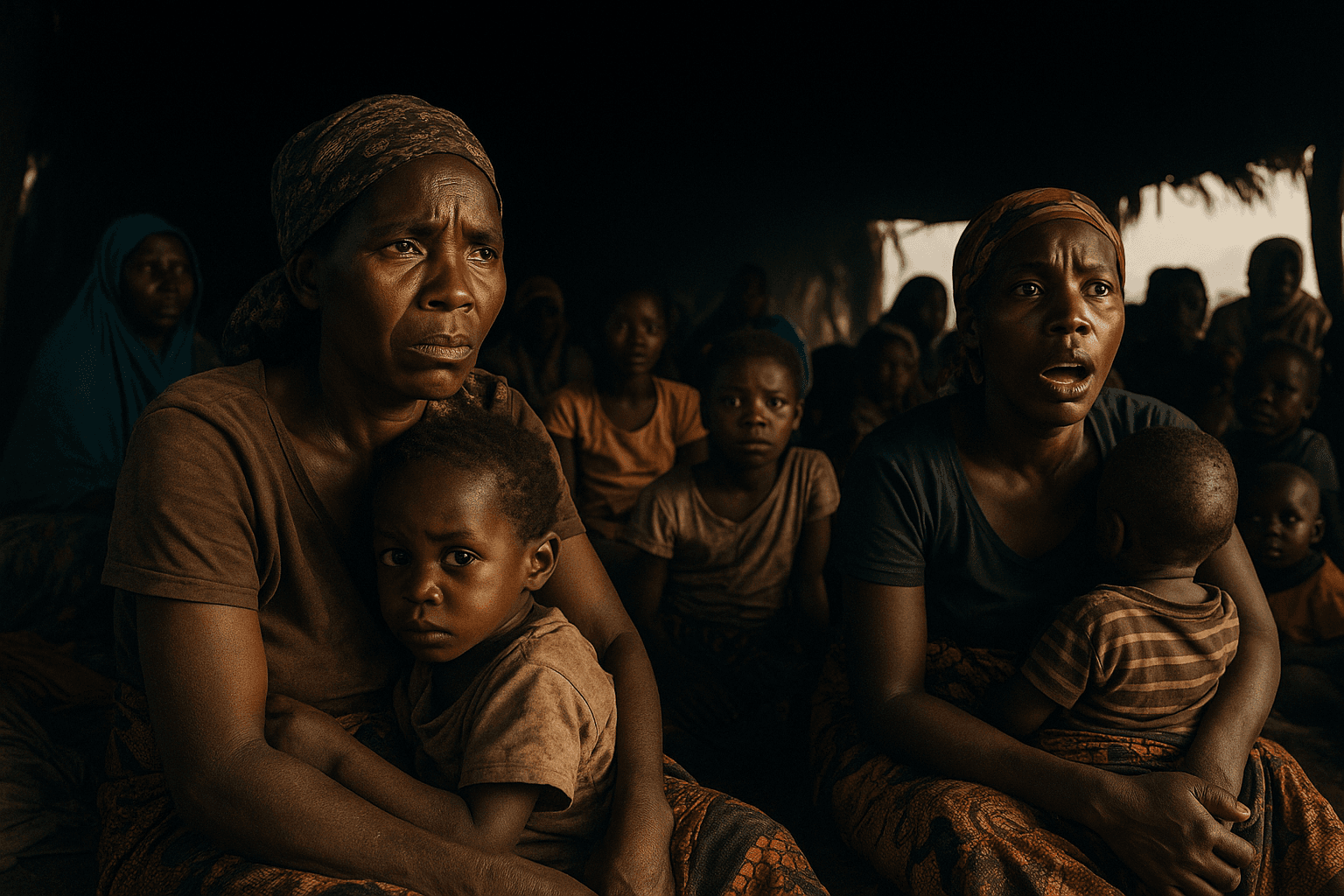
More than 107,000 people have been forced to flee their homes in Nampula city alone in the past two weeks as insurgent violence spread from Cabo Delgado into previously safer provinces, the United Nations humanitarian agency said. The recent wave of attacks has contributed to 330,000 displacements over the last four months, and brings the tally of people uprooted since the insurgency began in 2017 to roughly 1.3 million.
The north of Mozambique, home to major liquefied natural gas projects and a fragile post conflict recovery, has seen fighting move beyond the coastal gas fields into inland districts. Attacks have reached into the provinces of Nampula and Niassa, and have included renewed violence in Palma District in Cabo Delgado for the first time since 2021, according to a report from the U.N. children agency UNICEF. That report documented killings of civilians in multiple districts and targeted assaults on security forces.
Paola Emerson, Head of Office at the U.N. Office for the Coordination of Humanitarian Affairs in Mozambique, told reporters via video link from Maputo that flight was driven by direct assaults on communities. She said, "People flee because their villages are attacked and burned and destroyed, and others flee in surrounding villages for fear of attacks." OCHA warned that food stocks and health kits were running out at a time when needs are spiking across multiple provinces.
The United Nations estimates that only about 40 percent of those displaced have received food that will last for the next two weeks. Emerson said bluntly, "But this is woefully inadequate." Humanitarian workers warn that dwindling supplies could accelerate secondary crises, including malnutrition, disease outbreaks, and longer term displacement that undermines recovery and social cohesion.
The spread of violence has geopolitical and economic implications. Cabo Delgado was the center of a major international energy boom, and repeated attacks have already forced a reordering of foreign investment and security arrangements. The shifting battlefield risks drawing in regional security actors and complicating coordination among international donors and relief organizations. For communities, the loss of livelihoods and the destruction of villages deepen grievances and hinder prospects for stabilisation.
Mozambican authorities, regional bodies, and international partners face mounting pressure to scale up protection for civilians while ensuring sustained humanitarian access. International law obliges states to protect civilians and to allow impartial humanitarian assistance, but delivering aid in contested and volatile areas remains perilous.
Humanitarian agencies are appealing for urgent funds and for secure corridors that would enable the delivery of food, medical supplies, and shelter materials. With the rainy season approaching and infrastructure in the north degraded by conflict, the window to prevent a broader catastrophe is narrowing. Donors and regional partners must weigh a rapid increase in support against the operational challenges of working in an intensifying security environment, while Mozambican institutions confront the intertwined task of protecting civilians and restoring governance in affected areas.