Trump envoy meets Ukrainian negotiator in Miami, will brief him again today
Steve Witkoff, President Trump’s special envoy, met Ukrainian senior negotiator Rustem Umerov in Miami and is scheduled to brief him again today, signaling a burst of private diplomacy following Witkoff’s trip to Moscow. The informal contacts, which followed his meetings with Russian officials including President Vladimir Putin, are drawing scrutiny for operating parallel to formal U.S. diplomatic channels and could complicate policy and market signals around the war in Ukraine.
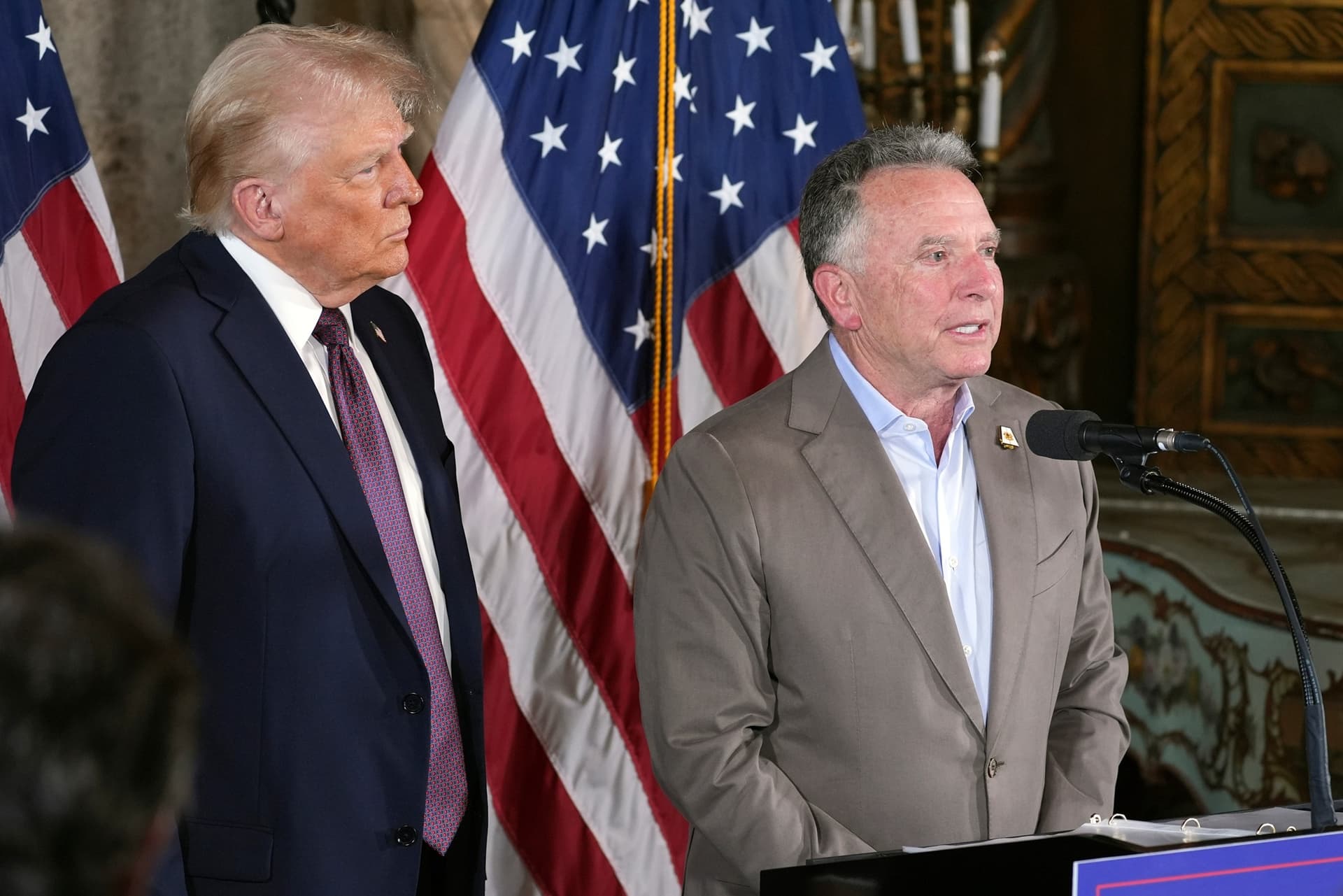
Steve Witkoff, serving as a special envoy for President Donald Trump, met with Rustem Umerov, a senior Ukrainian negotiator, in Miami and is due to brief him again later today, Reuters reported. The conversations come on the heels of Witkoff’s recent visit to Moscow where he held talks with Russian officials that included a meeting with President Vladimir Putin, according to sources familiar with the matter.
People briefed on the Miami meetings told Reuters that the purpose was to convey details of the Moscow discussions rather than to present a formal United States backed peace plan. It remains unclear whether Jared Kushner, the president’s son in law who has been linked to other diplomatic backchannels, is participating in the Miami sessions. The meetings are part of a wider flurry of informal contacts between representatives of Ukraine and Russia that have proliferated alongside official negotiations and are attracting scrutiny from lawmakers and foreign policy officials.
The emergence of private envoys in a high stakes conflict that began with Russia’s full scale invasion of Ukraine in 2022 alters standard diplomatic routines. Formal U.S. policy continues to be conducted through the State Department and multilateral partners, but private actors operating at the president’s direction or with White House access can deliver mixed messages to Kyiv, Moscow and allied capitals. That fragmentation raises questions about coordination with U.S. military assistance programs and sanctions enforcement that have been central to Washington’s strategy.
For markets, the immediate effect is uncertainty. Investors prize clarity on geopolitical risk because it factors into commodity prices, defense sector valuations and risk premia on emerging market debt. Informal diplomacy that lacks transparency can create short term volatility as traders and policy makers attempt to discern whether contacts signal a credible path toward de escalation or reflect competing agendas within Washington.

Politically, the Miami meetings will test congressional appetite for oversight. Congress has funded and conditioned significant levels of security and economic assistance for Ukraine, and lawmakers from both parties have previously demanded visibility into negotiations that could affect U.S. commitments and allied coordination. Legal experts note that while presidents have broad latitude in conducting foreign policy, patterns of side channel diplomacy historically prompt calls for greater accountability when they touch on issues of war, peace and sanctions regimes.
Longer term, the episode reflects a trend of irregular diplomacy that has grown since 2016, wherein business figures, family members and outside intermediaries carry messages between capitals. That model can produce breakthroughs, but it also risks undercutting institutional expertise and allied trust if outcomes are not clearly aligned with official policy. As the Miami meetings proceed, the central questions for policymakers and markets alike will be whether these talks bring Kyiv and Moscow closer to a durable agreement, and whether they do so in a way that preserves the coherence of allied strategy.