Fitch Raises India Growth Forecast to 7.4 Percent, Cites GST Reforms
Fitch Ratings raised its forecast for India s fiscal year 2025 to 26 GDP growth to 7.4 percent from 6.9 percent, citing stronger private consumption, an improvement in sentiment and the effects of recent GST reforms. The agency said disinflation including record low retail inflation creates room for further monetary easing and could allow the Reserve Bank of India to consider an additional rate cut.
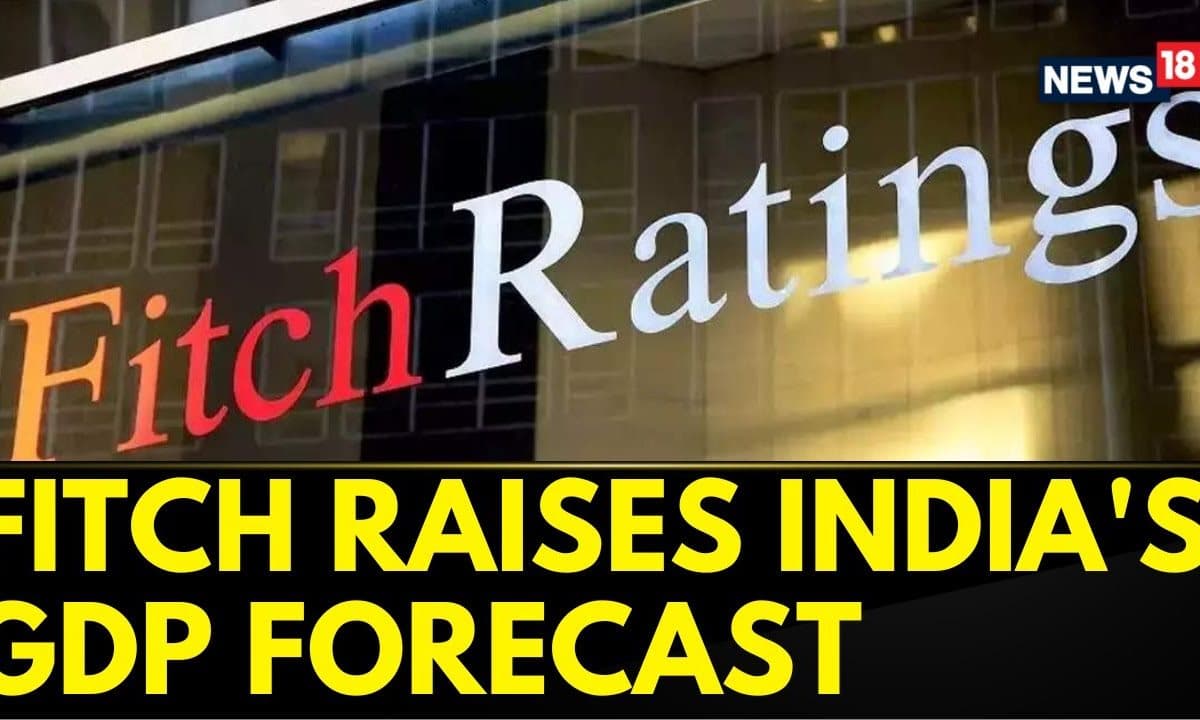
Fitch Ratings on December 4 updated its Global Economic Outlook and lifted its projection for India s growth in fiscal year 2025 to 26 to 7.4 percent, up from 6.9 percent in its previous outlook. The upgrade, a half percentage point increase, reflects what the agency described as an acceleration in private consumption, brighter business and consumer sentiment, and the impact of recent reforms to the goods and services tax system.
Fitch emphasized that disinflation across the economy, including a period of record low retail inflation earlier in the year, has improved the policy room available to the Reserve Bank of India. That easing in price pressures, the agency said, opens the possibility of further monetary accommodation and the potential for an additional RBI rate cut over the near term. The combination of lower inflation and resilient domestic demand is central to Fitch s assessment.
The agency also flagged that growth is likely to moderate in fiscal year 2026 to 27, even as near term momentum remains firm. Fitch pointed to the structural limits on rapid expansion and the typical reversion toward trend that follows a cyclical upswing. Nonetheless, the agency judged that durable domestic demand and the recent push on tax administration and compliance support the immediate outlook.
For markets and policymakers the upgrade alters the balance of risks. A stronger growth path coupled with falling inflation can be benign for equities and credit markets if it translates into steady corporate earnings and lower borrowing costs. For the government it can mean stronger tax receipts, particularly if GST reforms increase compliance and broaden the tax base. For the central bank it presents a choice between locking in disinflation gains through rate cuts or holding fire to guard against upside risks from faster growth.

Economists say the channels by which GST changes can lift growth are familiar. Simplifying tax procedures, improving refund flows and tightening compliance raise formal sector activity, which boosts measured consumption and tax buoyancy. When consumers feel more confident about incomes and job prospects they spend more on services and durable goods, reinforcing the recovery in private demand.
Risks remain. Global growth headwinds, commodity price volatility and geopolitical uncertainties could restrain exports and investment. At the same time any premature loosening of monetary policy that triggers a rebound in inflation would complicate the outlook. Fitch s expectation of moderation in fiscal year 2026 to 27 acknowledges those vulnerabilities even as it highlights the resilience of India s domestic demand.
Policymakers will now weigh the twin signals of stronger growth momentum and lower inflation. The near term appears favorable, with reforms and consumption lifting activity, but sustaining higher growth will require continued progress on investment, supply side reforms and fiscal consolidation to preserve policy space over the medium term.