RBI Cuts Repo Rate to 5.25 Percent, Injects Fresh Liquidity
The Reserve Bank of India has trimmed the policy repo rate by 25 basis points to 5.25 percent and unveiled a package of liquidity measures aimed at shoring up credit and calming markets. The moves, including open market bond purchases and a five billion dollar FX swap that could inject roughly sixteen billion dollars of liquidity, matter for borrowers, savers and the currency as the central bank signals continued vigilance.
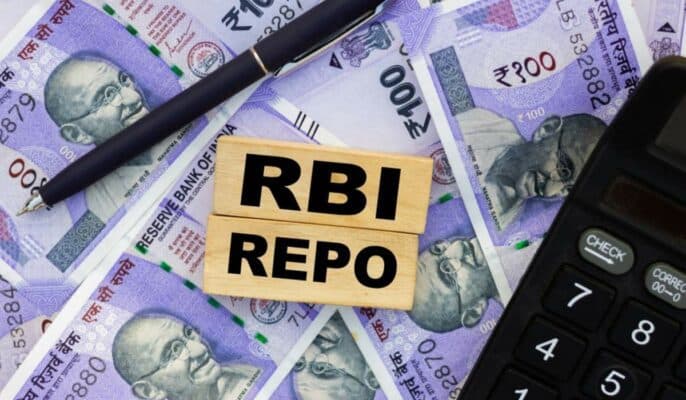
The Reserve Bank of India has voted to cut the policy repo rate by 25 basis points to 5.25 percent and announced a suite of liquidity operations designed to support credit flows and stabilize financial markets. The Monetary Policy Committee also revised up its projection for fiscal year 2026 growth and lowered its inflation outlook, citing record low retail inflation and what it described as a goldilocks growth and inflation backdrop.
The package includes open market purchases of government bonds and a five billion dollar foreign exchange swap that the RBI says could inject up to roughly sixteen billion dollars of liquidity into domestic markets. The central bank said it will conduct bond purchases through standard open market operations, with the timing and size of individual operations to be announced on its operating calendar. The FX swap is intended to augment rupee liquidity and provide a backstop for currency markets without a permanent change to foreign exchange reserves.
Policy makers framed the move as a continuation of an easing cycle that began earlier in 2025, aimed at translating a softer monetary stance into cheaper credit for households and businesses. By cutting the repo rate, the RBI is lowering the anchor for short term interest rates, which typically feeds through to lending rates, mortgage pricing and corporate borrowing costs. Lower rates could also support investment and consumption, helping sustain the upward revision in the growth outlook for FY2026.
Market participants greeted the announcement as broadly supportive. Government bond yields moved lower and equity markets showed gains as traders repriced the interest rate outlook. The rupee strengthened against major currencies on the combination of policy clarity and the central bank's liquidity support. The RBI emphasized a neutral policy stance while signalling readiness to act further if inflation pressures reemerge or the currency shows undue volatility.
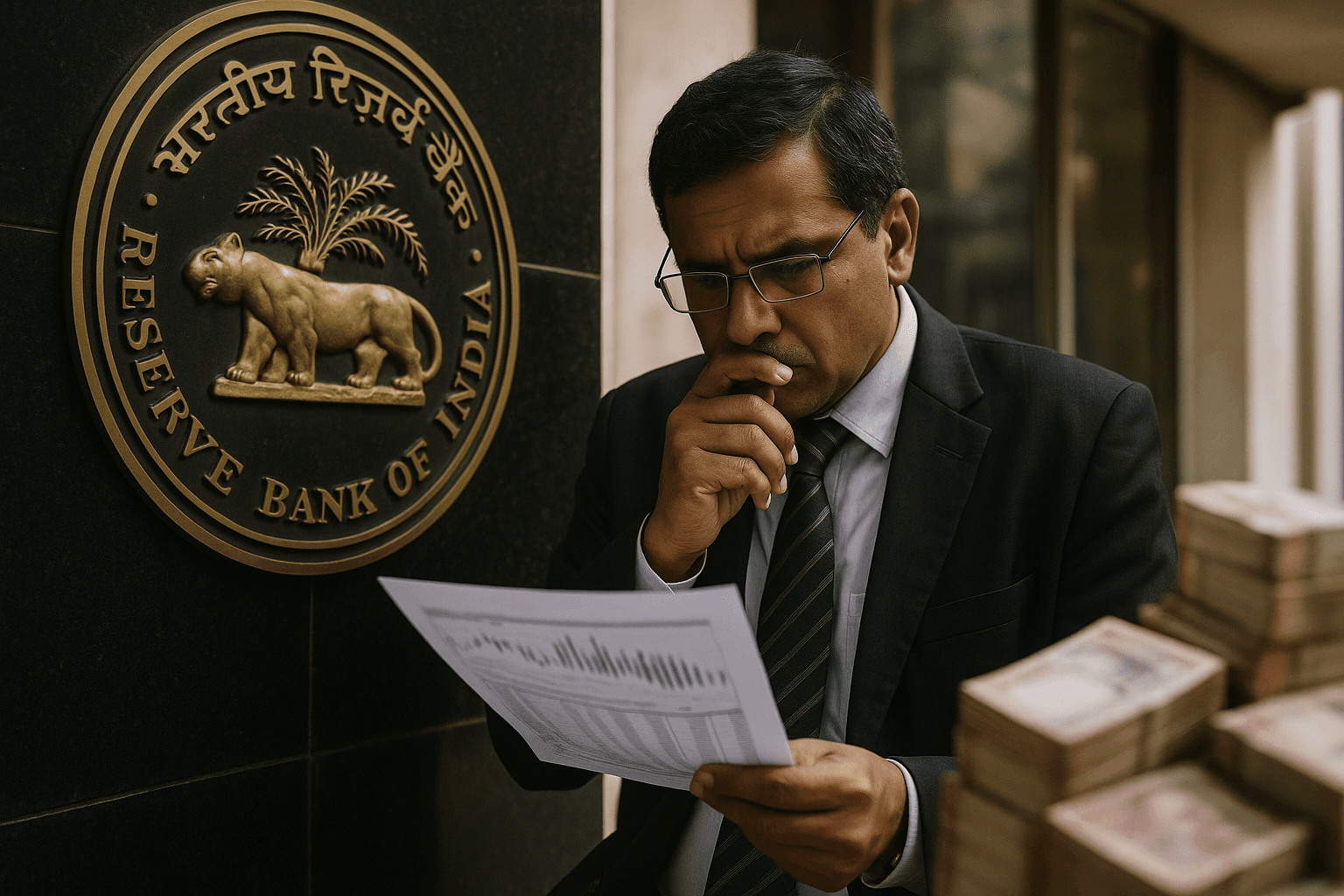
The central bank stressed that its easing decisions are data dependent. With retail inflation at multi year lows, the RBI has room to press on easing in order to close remaining gaps in credit conditions. At the same time the central bank explicitly flagged risks to inflation and the currency, reflecting the twin considerations that will determine the next moves in policy.
For households and businesses the immediate implications are lower borrowing costs and improved access to credit, assuming banks pass on rate cuts. For bond markets, the RBI's bond purchases could help compress yields further in the near term. For the currency, the FX swap is a tactical tool to provide liquidity without altering long term reserve management.
The policy choice underscores a broader shift among major central banks from a phase of fighting inflation to one of cautious easing where macro conditions allow. In India the RBI is trying to balance sustaining growth momentum with guarding against upside risks, while using a mix of conventional and market operations to manage the transition.