Florida Starts State Sanctioned Black Bear Hunt, Permits Spark Protest
Florida launched its first state sanctioned black bear hunt in a decade on December 6, setting off protests and a campaign of civic disruption that injected political energy into wildlife policy. The limited season tests whether stricter rules and smaller permit numbers can reconcile population management, conservation funding, and growing public demand for nonlethal alternatives.
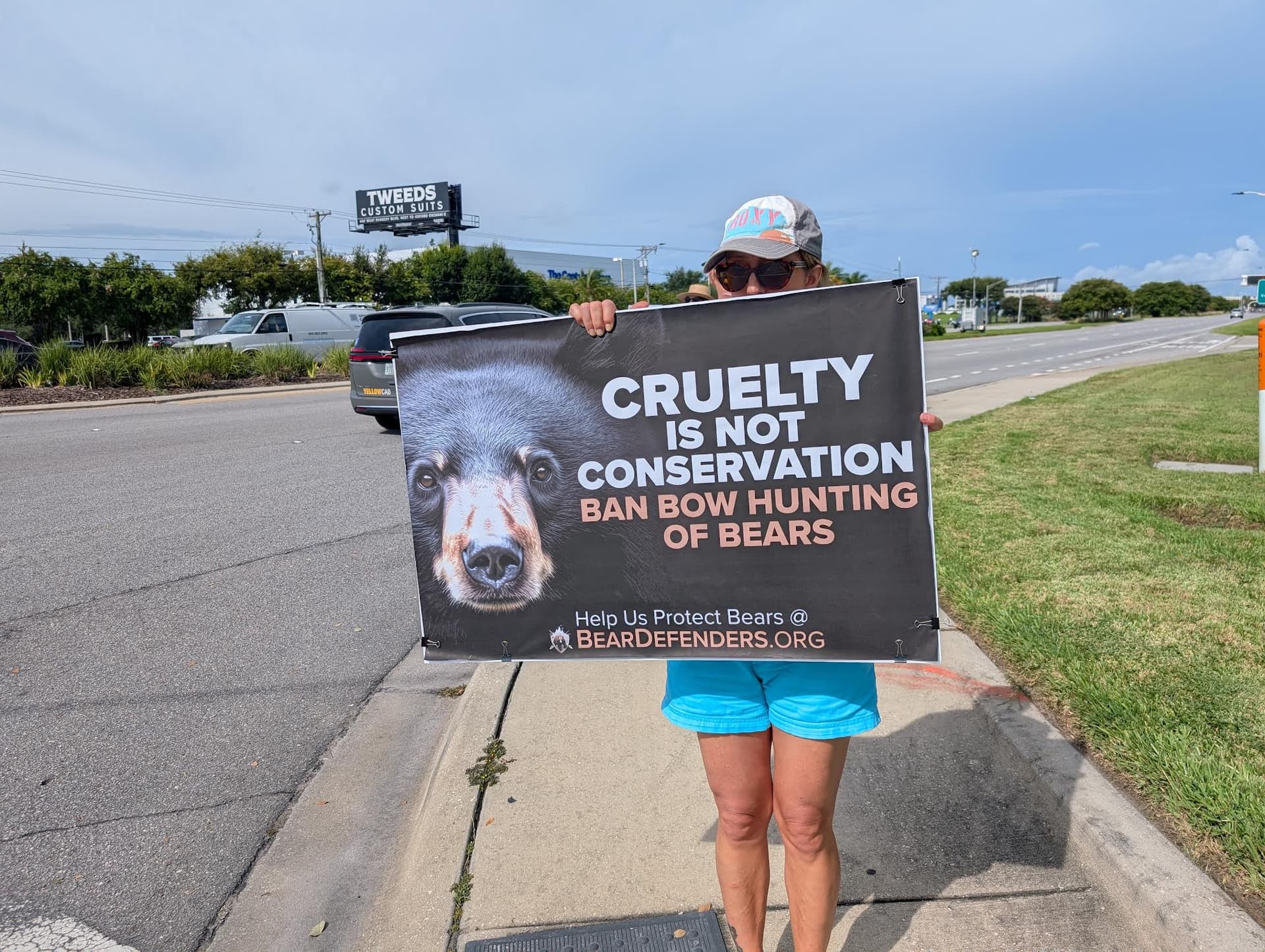
Florida wildlife officials opened a three week black bear hunting season on December 6 after the Florida Fish and Wildlife Conservation Commission awarded 172 permits by random lottery from more than 160,000 applicants. The season runs through December 28 and restricts each permit holder to one bear in four designated hunting zones, with quotas established by state wildlife managers. The rollout prompted protests across the state and an organized push by conservation groups that complicated the hunt before a single shot was fired.
The 172 permits include at least 43 acquired intentionally by opponents who do not intend to hunt, a strategic effort encouraged by groups such as the Sierra Club to reduce the number of bears killed by occupying available permit slots. The volume of applicants and the deliberate signups by activists represent a new form of civic engagement in wildlife governance, one that uses administrative processes to influence ecological outcomes.
Supporters of the hunt argue that a tightly managed season will provide funding for conservation programs and help address nuisance bears as populations have rebounded. State estimates place the Florida black bear population at more than 4,000 animals statewide, a recovery that wildlife managers say necessitates additional tools to reduce human bear conflicts in some areas. The commission set quotas and zone rules with the stated aim of avoiding the controversies that accompanied the previous state sanctioned hunt in 2015.
The 2015 season issued thousands of permits and was halted early amid public outcry after hundreds of bears were killed, including nursing females. That episode reshaped public trust in the commission and left a lasting imprint on Florida’s approach to large carnivore management. The new hunt imposes stricter rules and a dramatically smaller permit pool intended to prevent a repeat of the earlier problems, but opponents say those changes do not address root causes.
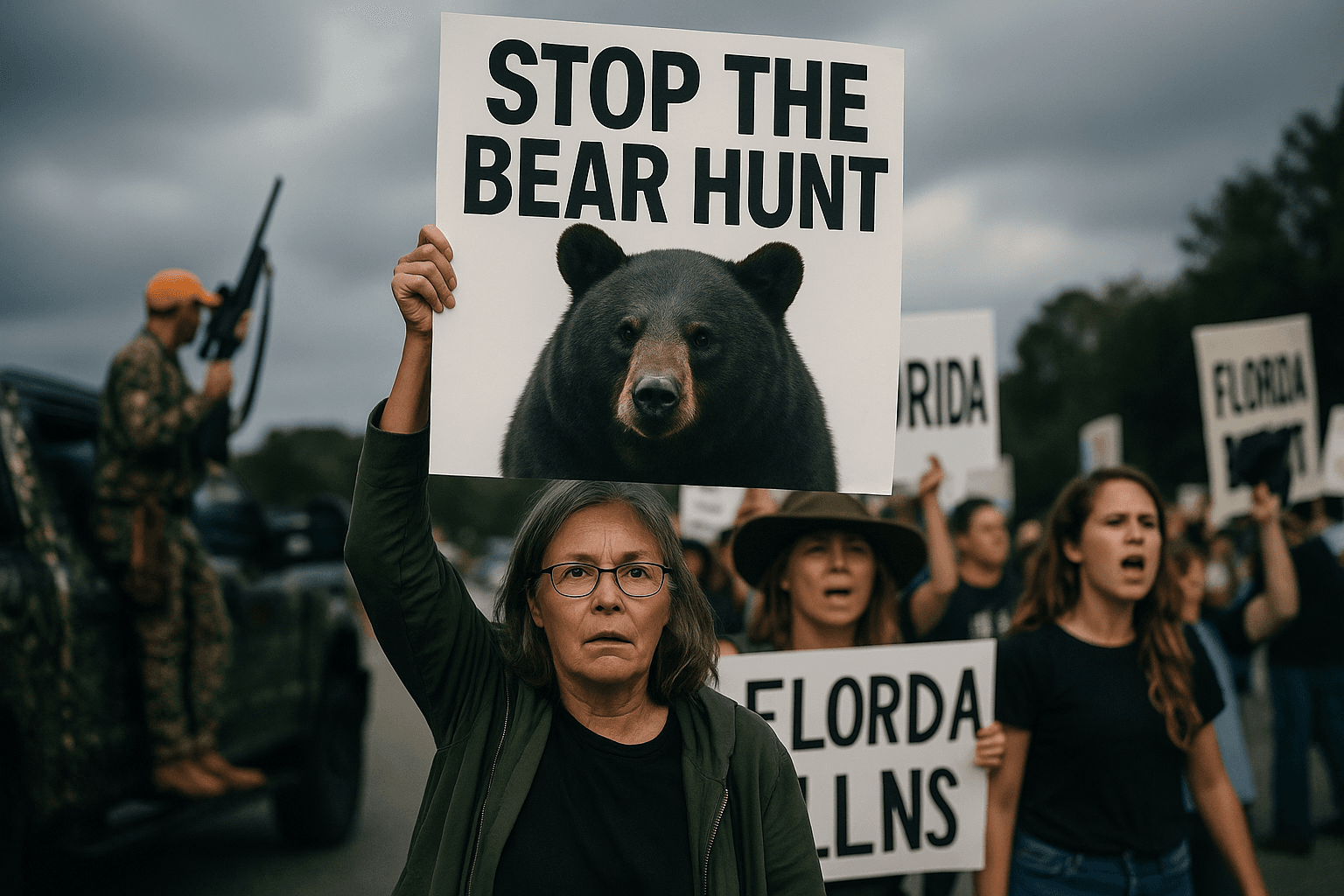
Critics demand expanded nonlethal management, stronger controls on trash and other attractants that draw bears into neighborhoods, and more robust habitat protections. They have urged courts to block the hunt, and several legal challenges were raised before the season began. Those challenges did not prevent the commission from proceeding. The dispute highlights tensions between agency discretion in wildlife management and broader public expectations about animal welfare and urban coexistence.
The mass application process itself has become a political signal, reflecting intense public interest in how natural resources are governed and who gets a say in conservation priorities. The use of the lottery to allocate a scarce right to hunt, combined with targeted activist signups, created a contested administrative outcome that will test the durability of current policy design.
As the season proceeds, regulators will face scrutiny over quota enforcement, reporting transparency, and the effectiveness of measures aimed at minimizing impacts on breeding females and dependent cubs. The results will inform debates in state capitols and among conservation practitioners about whether regulated hunts can be reconciled with growing urban populations and evolving public values about wildlife.