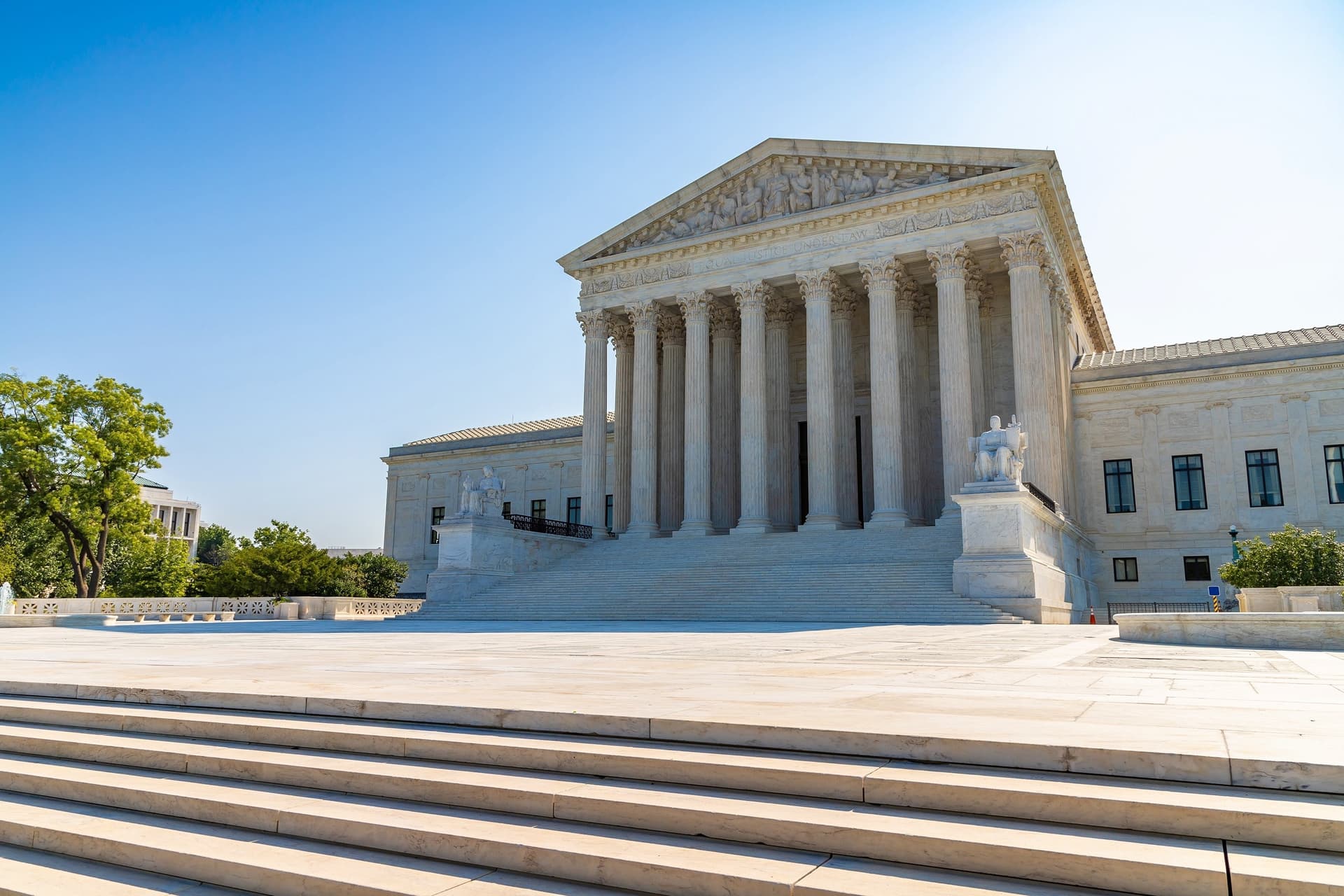
Supreme Court Lets Texas Use Contested Congressional Map for 2026
The Supreme Court issued a short unsigned order allowing Texas to use a newly enacted congressional map for the 2026 elections, pausing a lower court ruling that had found the map likely to be racially discriminatory. The move revives districts that could shift as many as five House seats toward Republicans, intensifying legal fights and advocacy as candidates begin to qualify and primary calendars proceed.
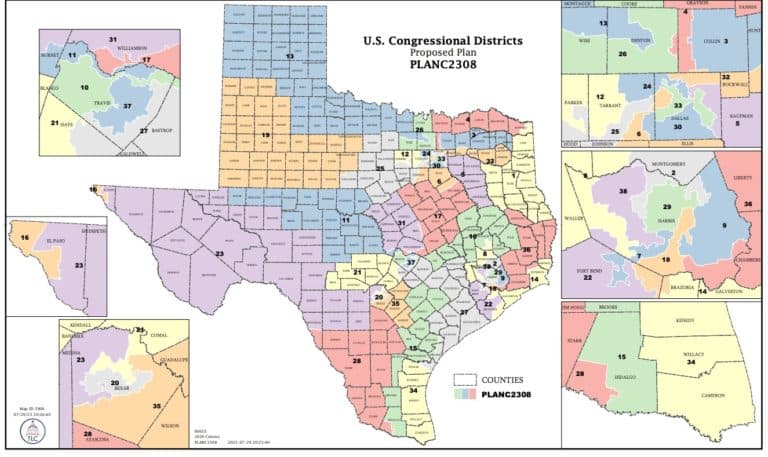
The Supreme Court on Friday temporarily allowed Texas to implement a recently enacted congressional map for the 2026 elections, reversing the immediate effect of a lower court decision that had found the map likely to discriminate on the basis of race. The unsigned order paused the lower court ruling while litigation continues, effectively reinstating district lines that critics say dilute Black and Latino voting power.
The decision has immediate practical effects. Candidate filing and qualification processes are underway in Texas, and primary schedules are moving forward. With the lines back in place, campaigns, parties and election officials must proceed under the contested map, altering strategic calculations for incumbents and challengers and shaping the pool of voters in key districts.
Experts and voting rights advocates have warned that the map was drawn to advantage Republican candidates. Court filings and public analysis have estimated that the map could shift as many as five seats toward Republicans in the next congressional cycle, a change that could affect the balance of the House if similar outcomes occur nationally. Civil rights groups said they would press ahead with litigation, and advocacy organizations signaled plans to mobilize voters and to target courts for relief.
The lower court had concluded that the new map likely violated the Voting Rights Act and the Constitution by using race in a way that subordinated traditional redistricting principles. The Supreme Court order put that finding on hold, a procedural move that permits the map to be used while the case proceeds through appeals and potential further review.
Liberal justices dissented from the court action, warning in separate filings that allowing the map to stand while the legal fight continued risked placing citizens into districts based on race. Their dissent underscored deep divisions over how and when courts should intervene in politically charged redistricting disputes, and it signaled the possibility of a full court review at a later date.
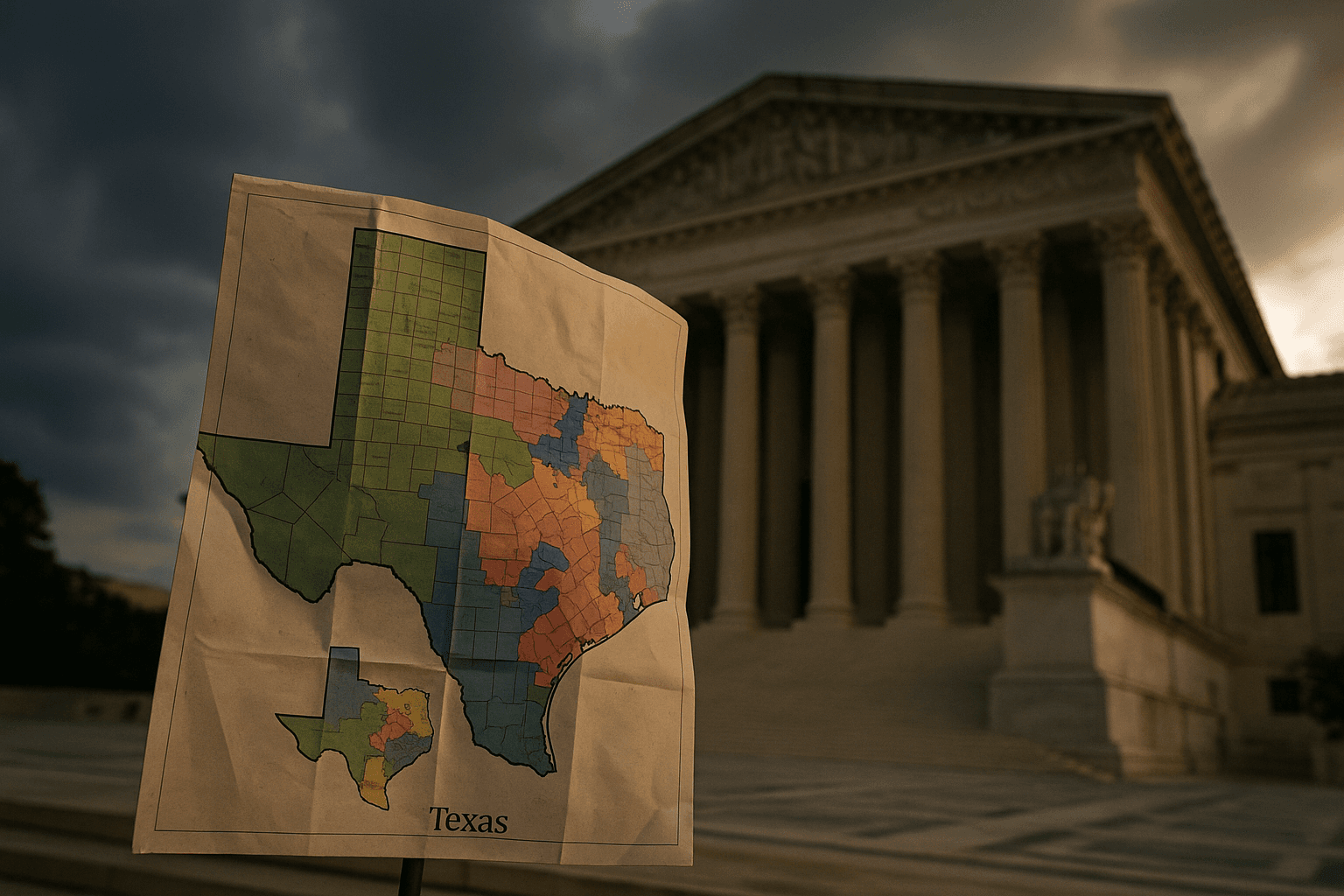
The timing of the order has heightened tensions in Texas politics. Election officials must reconcile administrative deadlines with the prospect of future changes to district lines. Candidates face uncertainty about the electorate they will seek to represent, and communities of color are confronting the prospect that their political influence may be reduced at a critical moment for representation.
The dispute also spotlights broader institutional questions about the role of courts in policing race in redistricting and the power of state legislatures to shape federal representation. Civil rights groups have emphasized that the case will test legal protections designed to prevent the dilution of minority voting strength, while state proponents argue that the map reflects permissible political considerations and compliance with federal law.
For voters, the order means the 2026 ballots in Texas will be organized under contested boundaries that could determine who represents millions of Texans in Washington. The decision ensures immediate political consequences and secures a new phase of litigation that will likely reach the high court again as advocates and officials press their competing claims about race, politics and representation.