Supreme Court Signals Readiness to Revisit Long Standing Precedents
The Supreme Court is expanding opportunities to reconsider its past rulings, a move that could reshape legal doctrine on executive power and administrative independence. The shift matters because it introduces legal uncertainty for government agencies, Congress, and voters, and may alter how future political disputes are decided.
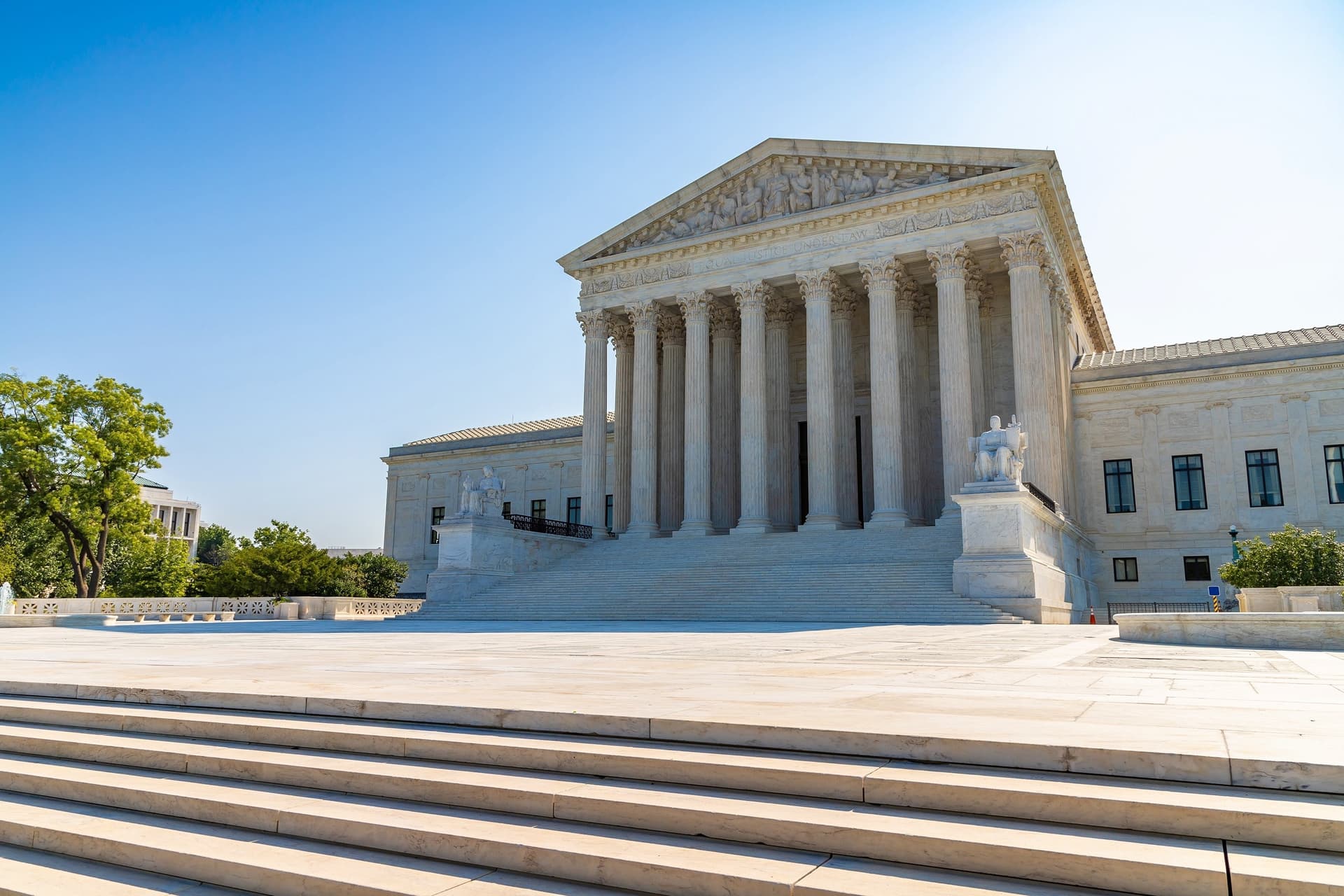
The U.S. Supreme Court is signaling a new willingness to overturn longstanding precedents, granting itself additional opportunities in the coming months to revisit decisions that have steered American law for decades. The trend follows the court's recent reversal of the 1973 abortion precedent, and has prompted scrutiny of pending cases and orders that could target other foundational rulings, including a nearly century old 1935 decision that limits presidential removal power.
Legal scholars and practitioners view the court's docket and recent orders as evidence that the conservative justices are rethinking the weight of stare decisis, the doctrine that courts generally follow their past decisions. That reassessment has practical consequences beyond abstract doctrine. A willingness to narrow or abandon precedent can reshape doctrine on administrative agency independence, alter the balance of power between the branches of government, and change the predictable legal landscape on which regulators, businesses, and individuals rely.
One immediate institutional effect is increased uncertainty for federal agencies. Agencies craft regulations and enforcement strategies based on settled lines of precedent about their authority and the protections for independent decision makers. If the court narrows protections established in older cases, agencies may face constraints on how they operate, and regulated industries may confront retroactive shifts in enforcement posture and legal risk. That uncertainty can complicate long term planning and delegations of authority that Congress has historically used to implement policy.
The potential changes also carry implications for executive power. A revisit of a 1935 ruling that limited presidential removal authority could expand or contract the president's ability to direct executive branch officials, with downstream effects on administrative independence and the functioning of long established boards and commissions. Any alteration would touch on separation of powers questions that are central to constitutional governance and to disputes between administrations and independent actors.
Politically, the court's posture may influence civic engagement and voting patterns. High profile reversals have already galvanized activists, elected officials, and voters on both sides of contested issues. The prospect of further upheaval in core legal doctrines could increase litigation as parties seek to press or defend changes in law, and it could spur legislative responses as Congress considers whether to shore up or bypass judicial adjustments through statute.
Institutionally, the court is signaling that precedent alone will not be an insurmountable barrier to doctrinal change. That stance elevates the role of the judiciary in resolving contested visions of constitutional meaning, and it raises questions about how lower courts will apply the Supreme Court's signals in pending and future cases.
Observers will be watching the specific cases the court agrees to hear and the orders it issues in the weeks and months ahead. Those actions will determine whether recent trends amount to selective recalibrations of doctrine or a broader recalibration of how the court treats its own precedents, with lasting consequences for governance, regulatory policy, and the public's expectations of legal stability.