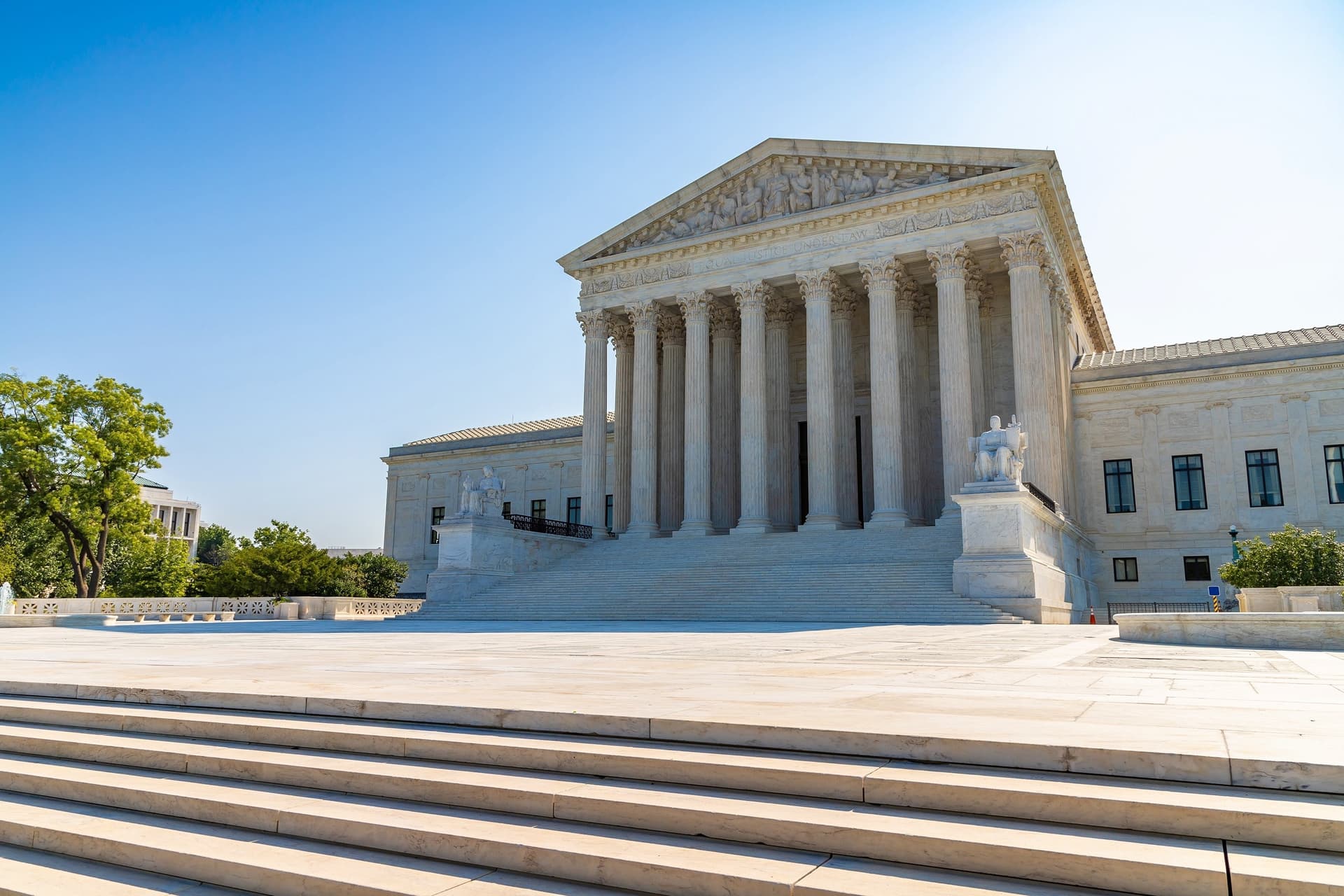
Judge Orders Release of Florida Grand Jury Transcripts in Epstein Case
A federal judge in Florida granted the Justice Department permission to unseal grand jury transcripts tied to the Jeffrey Epstein investigation, citing a new law that overrides long standing grand jury secrecy rules. The move could clarify prosecutorial decisions from the mid 2000s and intensify congressional and public scrutiny of how the government handled allegations of sexual abuse.
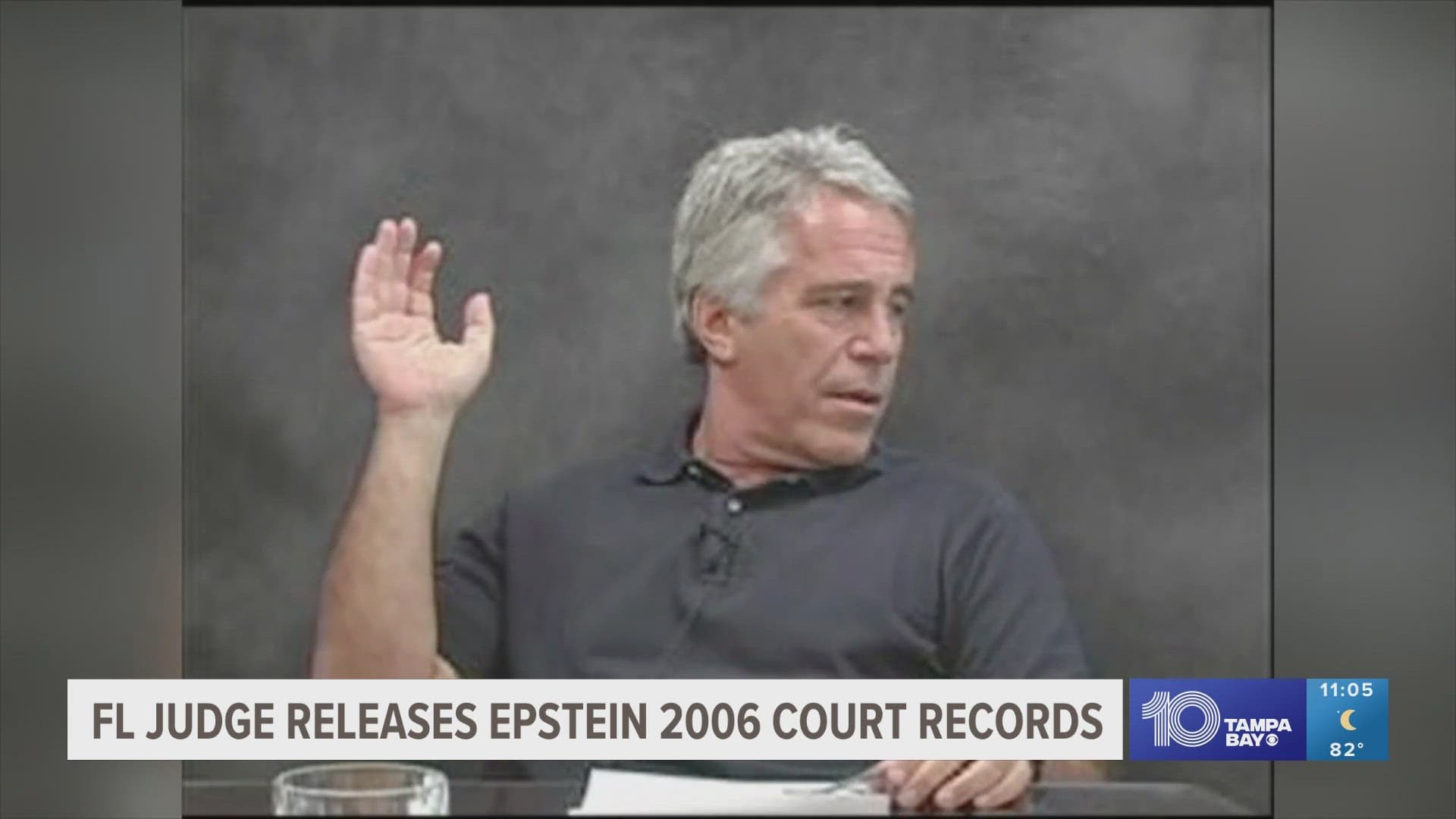
A federal judge in Florida on December 5 granted the Justice Department’s request to unseal grand jury transcripts from a 2006 to 2007 federal probe into Jeffrey Epstein, finding that the newly enacted Epstein Files Transparency Act supersedes Rule 6(e) confidentiality protections. The decision follows Congress’s passage of the law in November which requires the Justice Department, the FBI and federal prosecutors to disclose unclassified materials related to Epstein and his associate Ghislaine Maxwell by a statutory deadline.
The Florida order covers grand jury materials generated during the 2006 to 2007 investigation. Requests to unseal related New York grand jury materials remain pending in other courts. Under the statute the Justice Department will determine the timing of release and any redactions, and the law expressly permits withholding material that would jeopardize national security or ongoing investigations.
Legal analysts said the ruling represents a rare instance in which Congress has directly overridden the customary cloak of grand jury secrecy embodied in Rule 6(e). That rule has for decades limited public access to grand jury proceedings on the rationale that secrecy preserves witness candor and protects the integrity of ongoing investigations. The judge concluded the new statute alters that balance for this narrow set of files, setting up potential challenges over the scope of permissible disclosure and the boundaries of congressional authority over court confidentiality rules.
Victims advocacy groups and members of Congress had pressed for rapid public release, arguing that the documents could illuminate earlier prosecutorial choices that left many survivors feeling denied of justice. Observers caution, however, that the transcripts may shed light on internal deliberations without producing dramatic new revelations. Experts expect the materials to illuminate investigative timelines, witness testimony and prosecutorial reasoning in the mid 2000s, but they warned that much will likely be redacted under the statute’s public safety and investigation exceptions.
The practical work of preparing the files for public release will now fall to the Justice Department and its litigators. Review teams must screen material for classified content and for information that could compromise ongoing inquiries, a process that can be resource intensive and time consuming. The department’s decisions on redactions and timing will determine how much information reaches the public ahead of the statutory cutoff, and will likely shape how quickly survivors and lawmakers can assess the government’s handling of the case.
Beyond the immediate disclosures, the case raises policy questions about transparency and accountability in sensitive investigations. Legislators who backed the November law framed it as a test of whether the federal system can deliver both secrecy when necessary and openness when accountability demands it. How the Justice Department applies the statute and how courts respond to any subsequent challenges will matter for future conflicts between secrecy rules and congressional directives. For now the Florida order signals a new phase of disclosure in a case that has remained a focal point for questions about prosecutorial discretion and institutional responsibility.