Florida Restarts State Sanctioned Black Bear Hunt, Sparks Debate
Florida held its first state authorized black bear hunt since 2015 after officials issued a limited number of permits by lottery, a move intended to reduce rising human bear conflicts. The decision has reignited a national conversation about conservation strategies, animal welfare, and how to balance wildlife recovery with community safety.
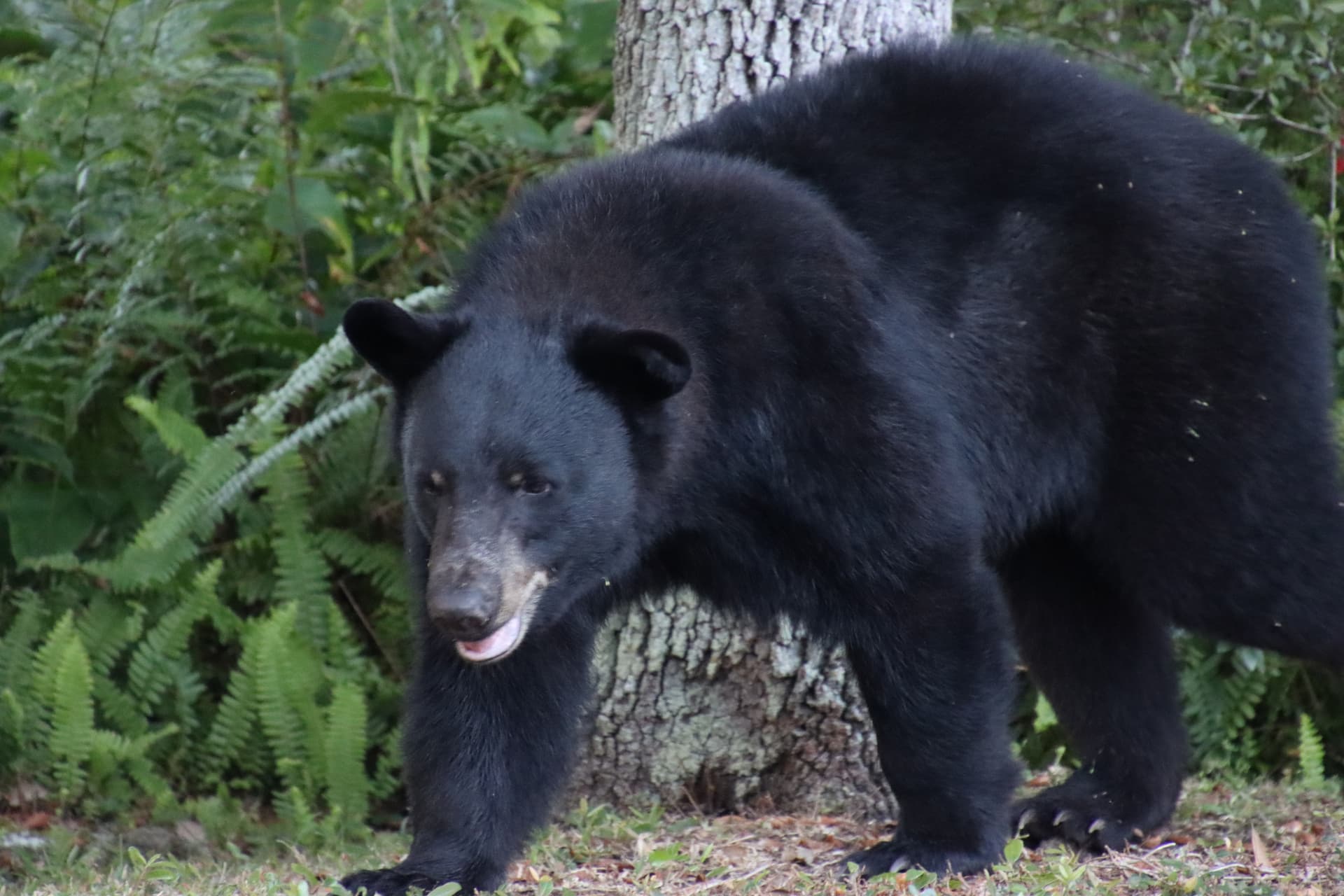
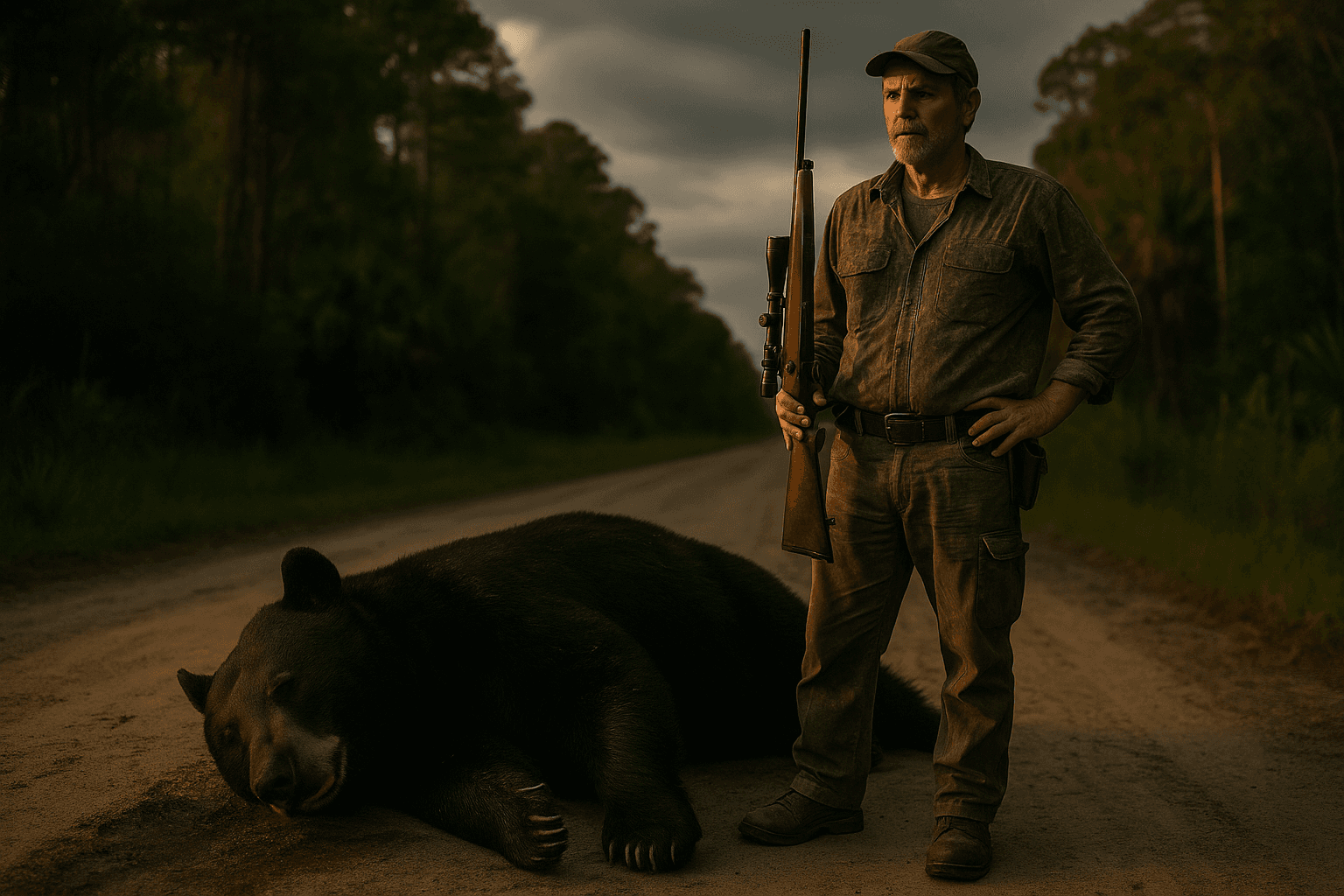
On December 5, 2025, Florida wildlife managers opened a controlled black bear hunt, the first state authorized hunt since 2015, after the Florida Fish and Wildlife Conservation Commission issued roughly 170 permits. The agency said the hunt was targeted to zones where bear populations have recovered and where human bear conflicts have increased, and that hunting would be restricted by a set of strict rules intended to limit risks to people and non target wildlife.
Permits were awarded by random lottery, a process that produced an unexpected mix of recipients. Some winners said they had applied not to hunt but to help preserve bears by never using the permit, a tactic that highlights deep divisions over the state policy. The commission emphasized that the hunt was limited in scope and designed to manage populations in specific areas rather than to reduce bear numbers across the state.
Environmental groups and community opponents reacted strongly, urging state leaders and wildlife managers to emphasize non lethal management tools. Advocates pointed to alternatives such as targeted education campaigns about securing attractants, investments in bear proof trash infrastructure, and other interventions that aim to prevent conflicts without resorting to lethal removal. Opponents framed the hunt as a backward step for a species that had rebounded in several regions, and they pushed for policies that prioritize coexistence.
Supporters of the decision described it as a pragmatic response to rising encounters between humans and bears, which can pose immediate safety concerns and economic costs for communities. State officials said the limited permits and restricted zones were chosen to focus management where conflicts were most acute while preserving healthy populations elsewhere.
The move has brought into sharp relief larger questions about wildlife policy in a rapidly changing landscape. As Florida’s suburbs and exurbs have expanded into former wildlife habitat, bears and other large mammals have increasingly come into contact with people. That dynamic creates public health and safety considerations that extend beyond wildlife biology into social equity and municipal resource allocation. Communities with fewer resources often face higher burdens in controlling attractants and implementing non lethal deterrence measures, a reality that critics say should influence statewide management decisions.
National conservation experts and animal welfare advocates have watched the Florida action closely, framing the episode as part of a broader debate about how to manage growing populations of large mammals near populated areas. The controversy underscores tensions between regional recovery successes and the immediate needs of residents who encounter wildlife in neighborhoods, parks, and along roadways.
As the hunt proceeds under the commission’s rules, the outcome will likely shape future policy discussions in Florida and beyond. Lawmakers, conservationists, and community leaders will be left to weigh the effectiveness of limited lethal control against investments in preventive and non lethal strategies, with implications for wildlife conservation, community safety, and environmental justice.