FAA Opens Probe Into Airlines Over Flight Cuts During Shutdown
The Federal Aviation Administration opened investigations into U.S. carriers that canceled flights and pared schedules during the recent federal shutdown, raising fresh questions about airline compliance and passenger protections. The inquiry could prompt regulatory penalties and congressional oversight, with implications for traveler confidence and carrier operations during peak holiday travel.
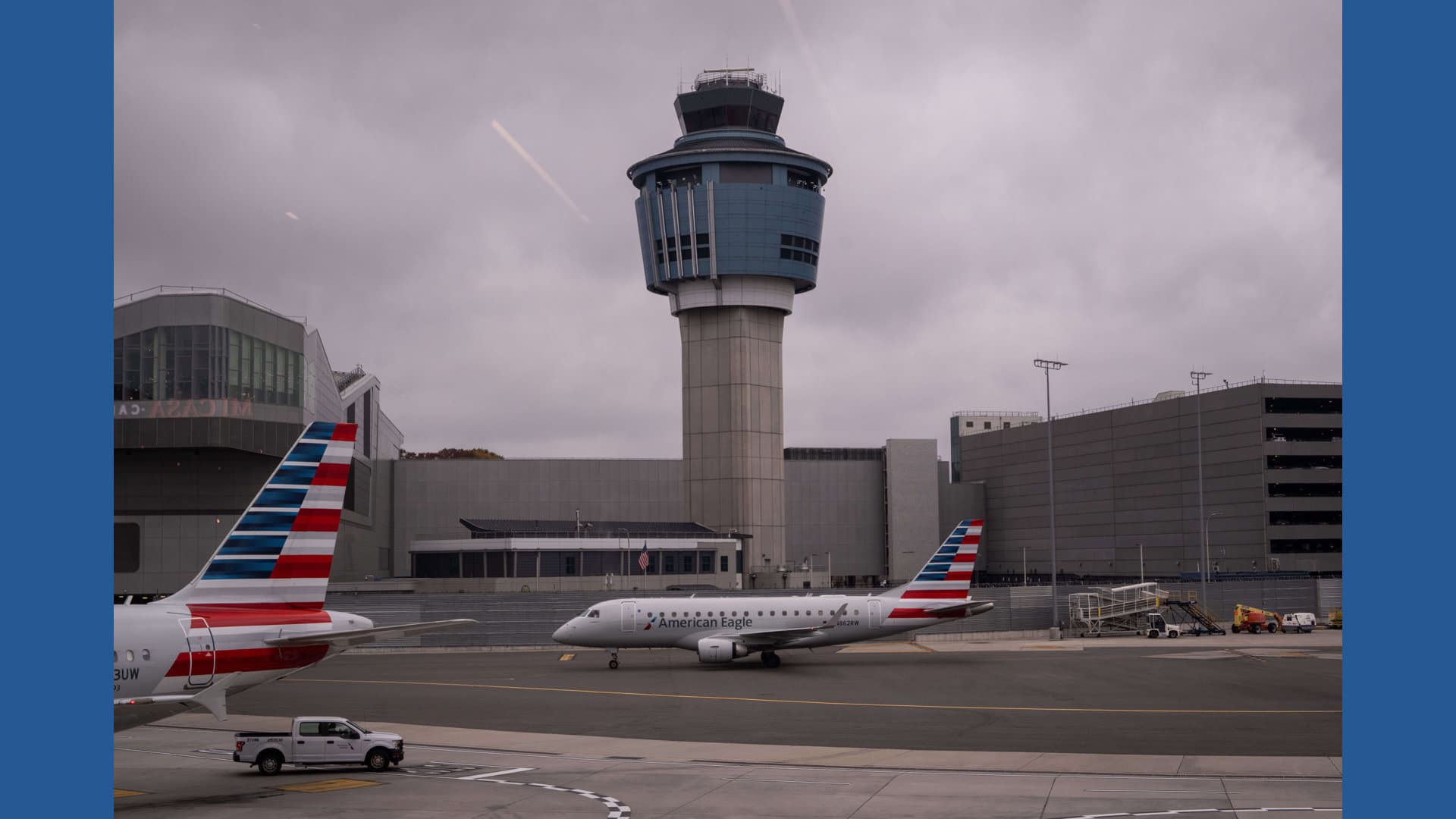
The Federal Aviation Administration opened investigations on December 5, 2025 into U.S. carriers that instituted flight cancellations and schedule reductions during last week’s federal shutdown. Regulators said they will examine whether airlines met federal reporting and operational requirements, and whether any safety or staffing practices contributed to the outages that stranded travelers and disrupted holiday plans.
FAA officials said the probe will review internal airline communications, dispatch decisions, and the accuracy of notifications provided to both the agency and affected passengers. The agency is focused on whether carriers timely and fully reported irregular operations, which regulators say are critical for air traffic management and passenger safety during periods of disruption. Airline spokespeople told reporters that carriers were working to restore schedules and assist passengers, and that they had taken steps to minimize ongoing disruptions.
The inquiry follows immediate scrutiny from lawmakers and transportation regulators over how carriers managed staffing, crew scheduling, and customer communications during a snap budget impasse that curtailed parts of the federal workforce. Congressional committees signaled they could pursue oversight hearings if the FAA’s review finds lapses in compliance or reporting. Lawmakers have already cited concerns about the timing and scale of cancellations as evidence that some carriers operate with limited scheduling buffers.
The FAA’s investigation concentrates on two axes. The first is regulatory compliance, including whether carriers followed existing notification rules and maintained required operational records. The second is the operational causes of the outages, including potential dispatch failures, crew availability, and the resilience of contingency planning. The outcome could range from corrective directives to administrative fines and expanded reporting requirements, depending on the severity of any findings.
Market and consumer implications are immediate. The disruptions occurred in early December, a period of high travel demand for holiday and business traffic, amplifying economic and reputational costs for carriers. Even without formal sanctions, airlines can face consumer restitution obligations through existing Department of Transportation rules that govern refunds and rebookings after significant schedule changes. Prolonged regulatory attention could also raise compliance costs and affect network planning ahead of the January travel season.
The probe also highlights a longer term policy debate about the trade off between efficiency and resilience in airline operations. Over the past decade carriers have increasingly focused on leaner schedules, tighter crew utilization, and hub optimization to reduce costs. Those efficiencies can lower margins but may also leave less slack to absorb sudden staffing or air traffic disruptions. If the FAA and Congress conclude that those business practices undermine service reliability or safety margins, policy responses could include stricter reporting rules, minimum staffing buffers for peak periods, or enhanced oversight of irregular operations.
For travelers the immediate question is restitution and clarity on future protections. The FAA’s review is likely to take weeks, and any enforcement action would follow a formal process. Meanwhile carriers continue to adjust schedules and process passenger claims, and Congress may press for hearings that would further illuminate the causes of the shutdown related disruptions.