Virginia Man Charged Over Pipe Bombs Near DNC and RNC
A Virginia man made his first federal court appearance after being arrested and charged in connection with two pipe bombs left near both national party headquarters on the eve of the Jan 6, 2021 attack. Prosecutors say forensic evidence and cell site records linked the suspect to the devices, a development with implications for public safety, community trauma, and how investigators balance security with civil liberties.

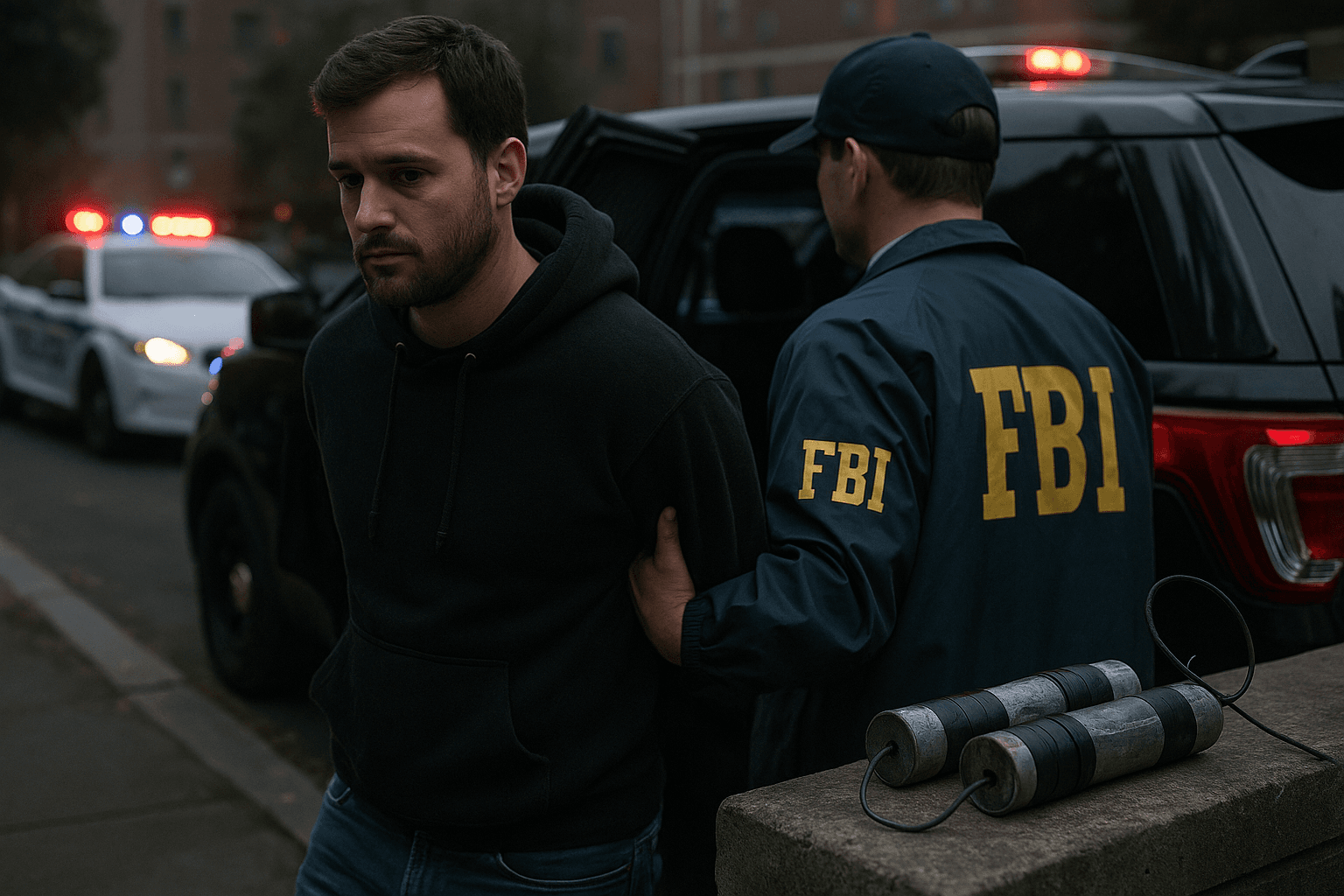
Brian Cole Jr., 30, of Woodbridge, Virginia, appeared in federal court on December 5, 2025 after his arrest in a long running investigation into two pipe bombs left near the headquarters of the Republican and Democratic National Committees on January 5, 2021. Prosecutors said Cole spoke for hours to investigators and, according to Associated Press sources, admitted to placing the devices. Authorities identified him publicly for the first time as the suspect in the case.
The crude explosive devices were rendered safe by bomb squads and did not detonate. Prosecutors told the court that forensic evidence, cell site data, and purchase records played central roles in building the investigation. Cole was ordered held pending a detention hearing as federal prosecutors continue to develop the case, which officials said remains active.
The charges reopen a flashpoint from the days surrounding the January 6, 2021 attack on the U.S. Capitol, drawing renewed attention to the risks posed by politically motivated violence and the long tail of investigations that follow major public incidents. The presence of unexploded devices near both party headquarters heightened fears for staff and neighbors at the time, and the public revelation of a suspect this week has stirred fresh concerns about both safety and accountability.
Beyond immediate law enforcement consequences, the case carries broader public health and community implications. Explosive devices, even when they do not detonate, can cause long lasting psychological harm to the people exposed to them and to communities that see political space transformed into a scene of potential violence. Mental health professionals and public health officials say such events can increase anxiety, erode trust in public institutions, and place additional burdens on emergency response systems already strained by other crises.
Civil liberties advocates and legal experts are likely to scrutinize investigative methods as the case proceeds, given prosecutors' reliance on cell site data and purchase records. Balancing the need to protect public safety with protections for privacy and due process will be a focal point during pretrial proceedings and any broader policy debates that follow. The lengthy investigation also underscores disparities in how resources are deployed to investigate threats, with questions about consistency across different types of political violence and different communities.
For staff at the party headquarters and residents of nearby neighborhoods, the filing of charges may bring a measure of closure, while also reopening difficult memories from that period in 2021. Community leaders and public officials will face decisions about whether to increase visible security, provide trauma informed support to affected workers and neighbors, or pursue other measures to rebuild a sense of safety.
The federal case now moves through the courts as investigators continue to pursue evidence and prosecutors prepare for further hearings. Reporting on the development was provided by Michael Kunzelman of the Associated Press and published on PBS NewsHour.