FORMISM Launches Multi-Material 3D-Printable Shoes with Crowdfunding on MakerWorld Platform
On January 2, 2026, FORMISM, a contributor on Bambu Lab’s MakerWorld platform, published several multi-material 3D-printable shoe designs including Arc and Persona, along with size-customization tools. Persona is set for a crowdfunding launch on January 12, 2026, with a FOAM series planned later in January, offering a novel productization route that combines downloadable assets and home production for users with compatible printers.
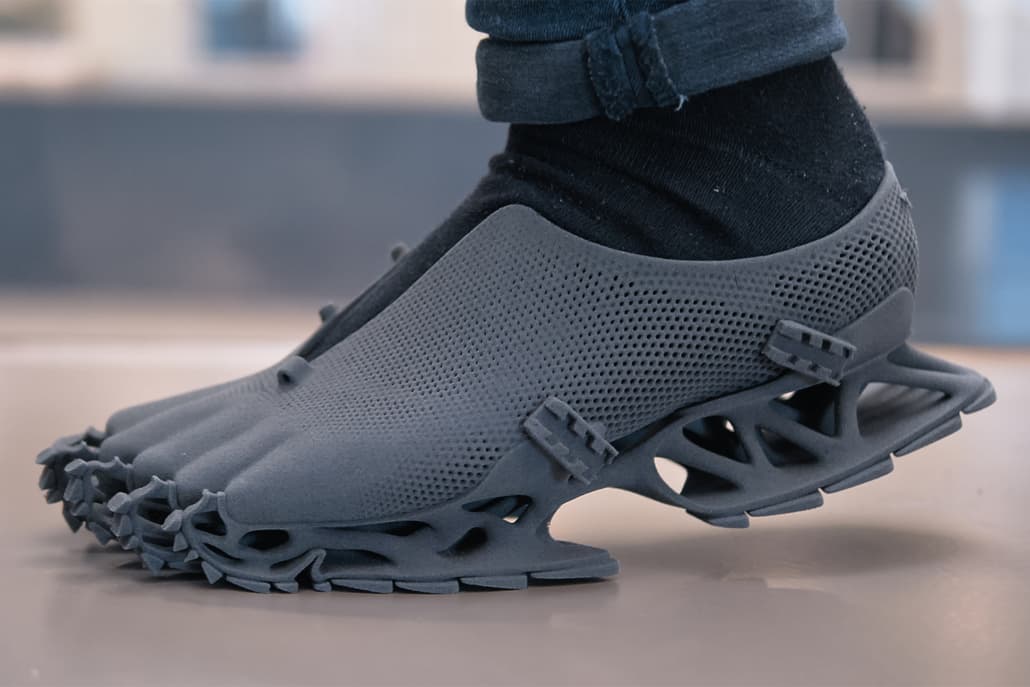
FORMISM rolled out a collection of 3D-printable shoe designs on January 2, 2026, that push the limits of consumer-level fabrication by combining multi-material printing, size customization tools, and experimental foaming materials. The initial public offerings include Arc and Persona models, with Persona scheduled to go to crowdfunding on January 12, 2026, and a FOAM series planned for later that month. The FOAM series aims to explore bubble and foam textures by using foaming filaments that expand after printing.
These releases matter because they pair a digital product with a route to physical ownership: downloadable files plus crowdfunding-backed production and support. For makers with the right equipment, that combination could lower the barrier to producing wearable, customized footwear at home. For the broader community, the move signals a maturing creative economy around printable consumer goods, where designers test direct-to-maker productization rather than selling only prints or physical inventory.
Technically, the designs are ambitious. FORMISM specifies flexible TPU variants such as TPU90A and a TPU85A Foam TPU combined with PLA support material. That setup requires multi-material workflows that may include dual-extrusion or multi-material units, carefully managed temperatures and toolpaths, and post-print work to remove PLA supports without damaging flexible sections. Foam or expanding filaments add another layer of complexity since parts can change dimension after printing, so size-customization tools in the files aim to help you dial in fit before committing to a full-size print.
Practical preparation will determine success. Verify your printer can handle flexible TPUs alongside PLA supports and that you can run multi-material prints reliably. Test small calibration pieces to tune extrusion, bed adhesion, and support removal. Expect some trial and error with foaming filaments; allow time for post-print expansion and evaluate fit after the material has stabilized. Where possible, source recommended filament grades and follow material handling best practices to minimize failures.
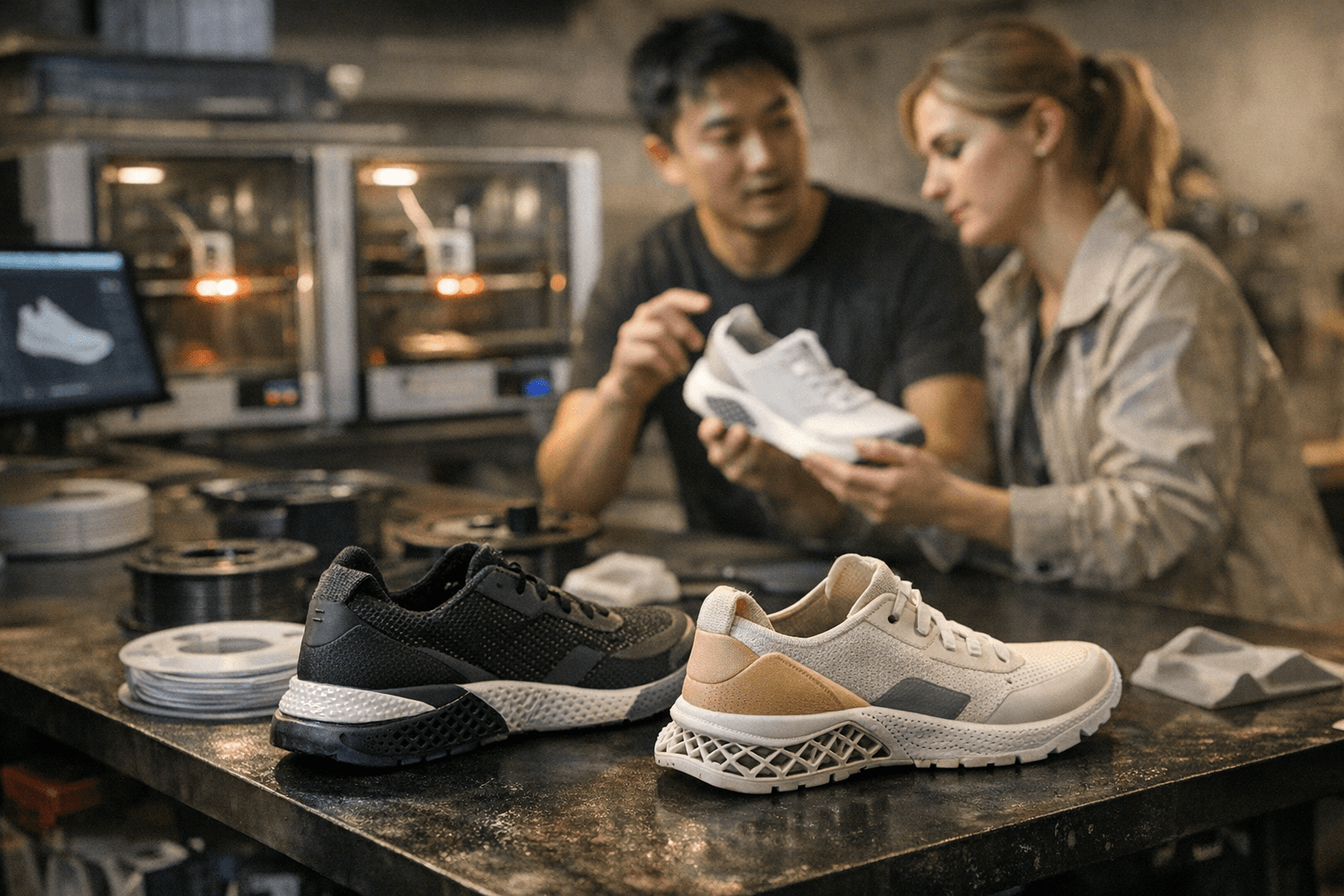
For community makers and local shops, these releases open opportunities to offer print-and-post-process services for people who lack compatible equipment. They also create a clear pathway for group projects like fit-testing parties or local crowdfunding backer fulfillments. FORMISM’s approach suggests a practical model: sell the digital asset, use crowdfunding to finance tooling or batch supplies, and let makers produce the end product themselves or via local service providers.
If you plan to try these designs, start with the customization files and small-scale tests. Expect a learning curve, but for those who master the multi-material and foaming workflows, the payoff is a highly personalized pair of printed shoes.
Sources:
Know something we missed? Have a correction or additional information?
Submit a Tip