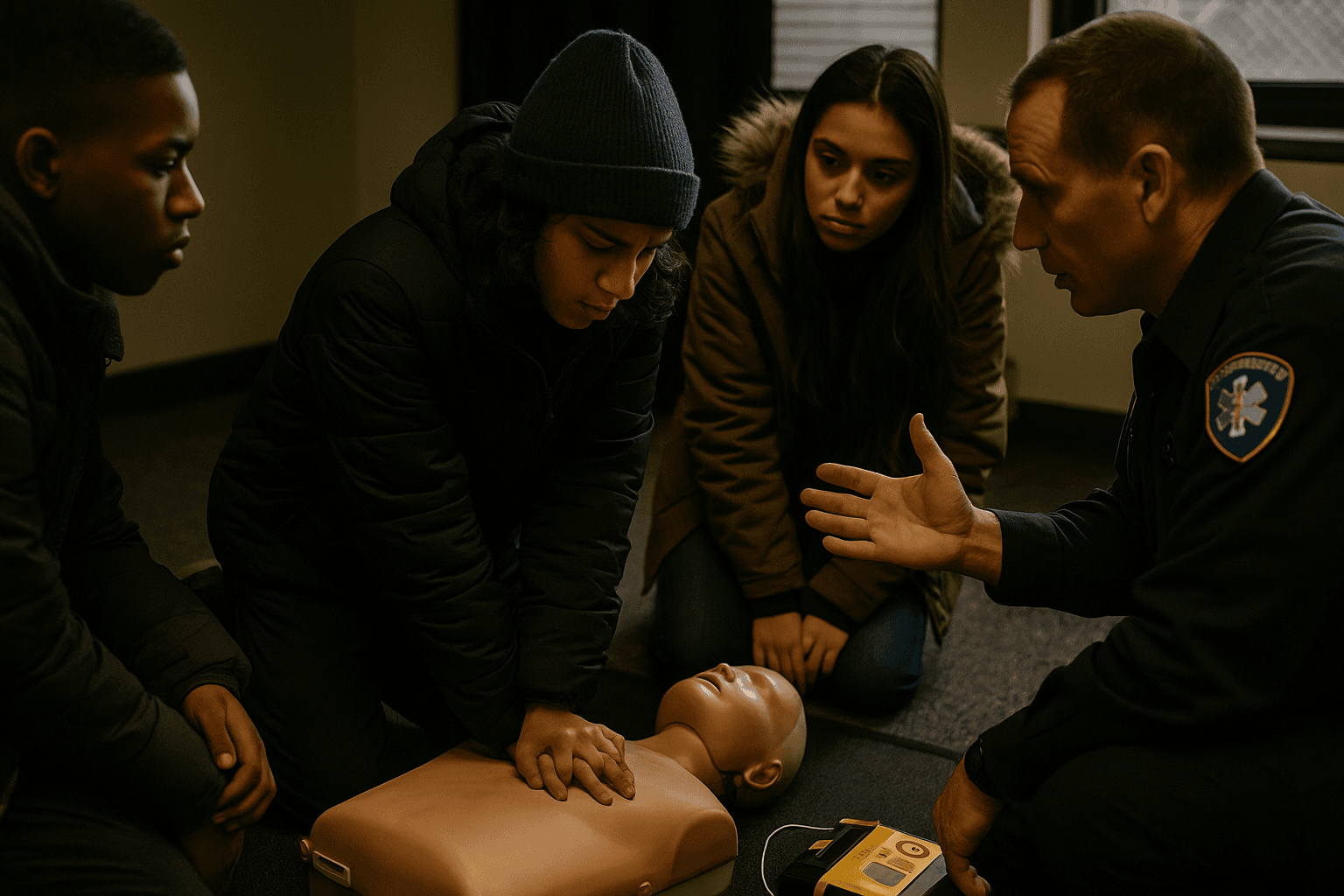
Free Narcan Trainings Strengthen Orange County Overdose Response Capacity
Garnet Health held free Narcan training sessions in early December, offering hands on instruction in recognizing opioid overdoses and administering naloxone. Sponsored by Independent Living, Orange County Government and OASAS, the sessions provided a free dose of Narcan to each trainee and sought to expand community capacity to reverse overdoses.
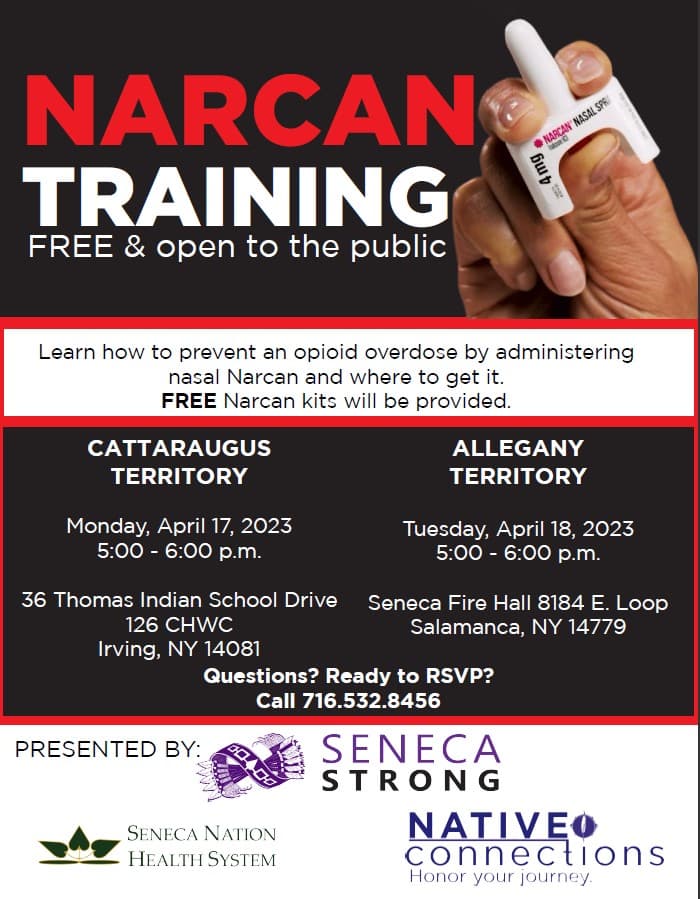
Garnet Health Medical Center and Garnet Health Medical Center Catskills hosted free Narcan training sessions for the public in early December, with sessions that included a December 11 class. The trainings taught participants how to recognize the signs of an opioid overdose, how to administer naloxone and basic harm reduction techniques. Each person who completed the training received a free dose of Narcan to carry and use if needed.
The events were sponsored by Independent Living, Orange County Government and the State Office of Addiction Services and Supports. Organizers encouraged community members, caregivers and professionals to attend, positioning the trainings as an accessible way to build lifesaving skills outside of clinical settings. By equipping nonmedical residents with naloxone and the knowledge to use it safely, organizers aimed to reduce barriers to immediate overdose response in neighborhoods across the county.
Naloxone, marketed commonly as Narcan, can rapidly reverse overdoses involving heroin, fentanyl, oxycodone and other opioids, and providing it directly to community members is a critical element of public health efforts to prevent fatal overdoses. Trainings that combine distribution with instruction can increase the likelihood that naloxone will be on hand and used correctly during an emergency, thereby reducing the burden on emergency medical services and potentially saving lives in the crucial minutes before professional help arrives.
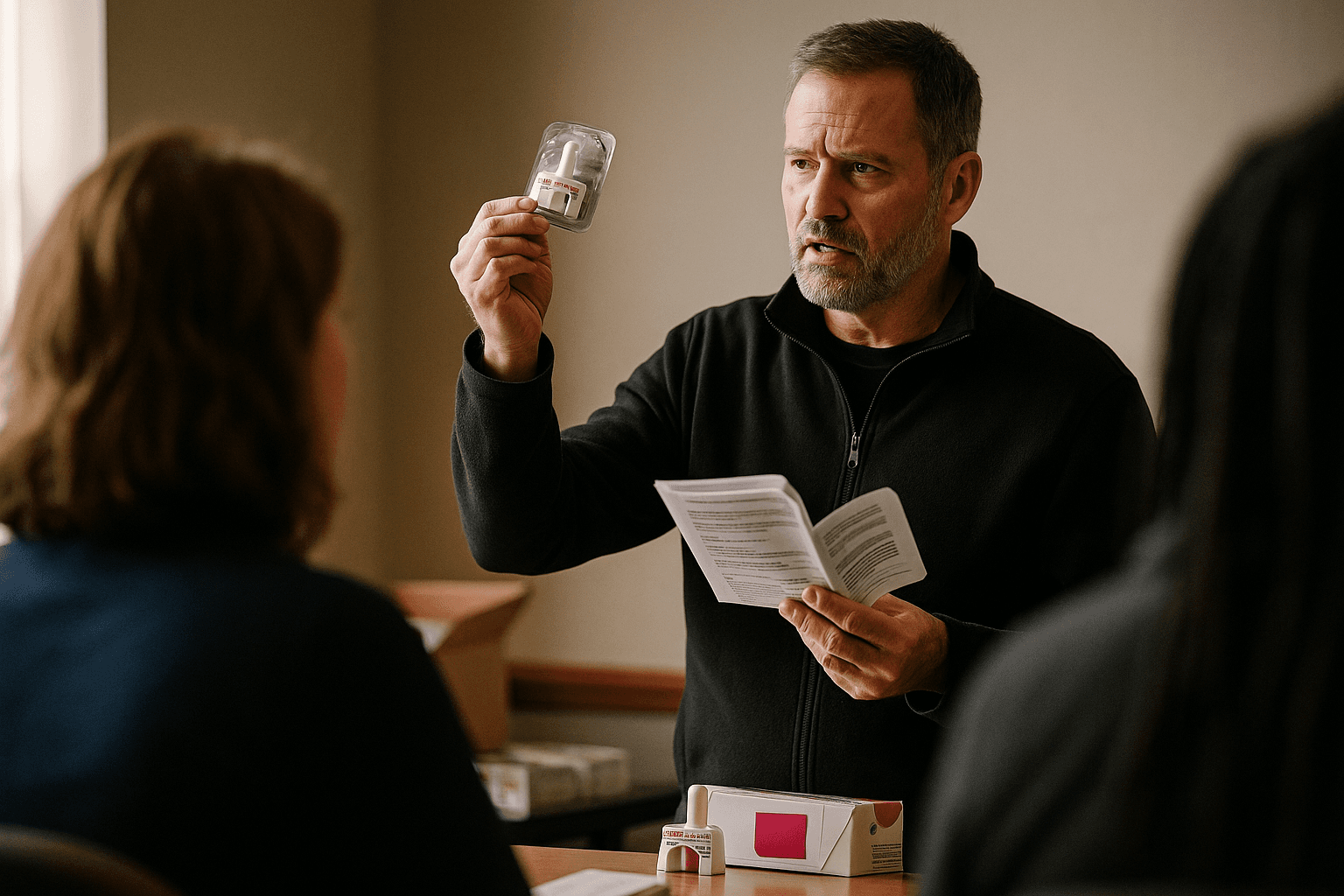
For Orange County residents, these sessions matter because they create more distributed capacity for overdose response among family members, peers and frontline workers. The collaboration between a regional health system, local government and state addiction services underscores a growing recognition that overdose prevention requires community centered approaches and low barrier access to lifesaving medications.
While training events like these offer immediate practical benefits, they also highlight broader policy and equity challenges. Sustained reductions in overdose deaths require ongoing funding for distribution programs, outreach to marginalized communities, and coordination with treatment and recovery services. Expanding naloxone access is one step toward reducing harm, and community trainings provide both practical skills and a chance to normalize a public health response that prioritizes saving lives over punishment.
Sources:
Know something we missed? Have a correction or additional information?
Submit a Tip