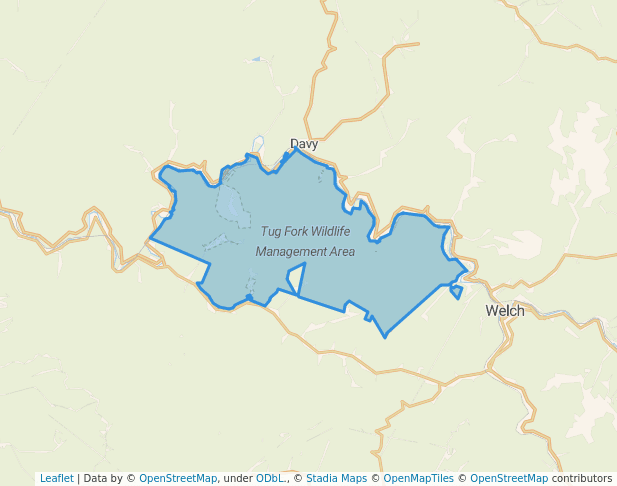
Free State of McDowell: How coal shaped county identity and policy
A recent feature traces McDowell's "Free State" nickname to coal-era diversity and shows why that history still shapes local identity, services, and civic life.
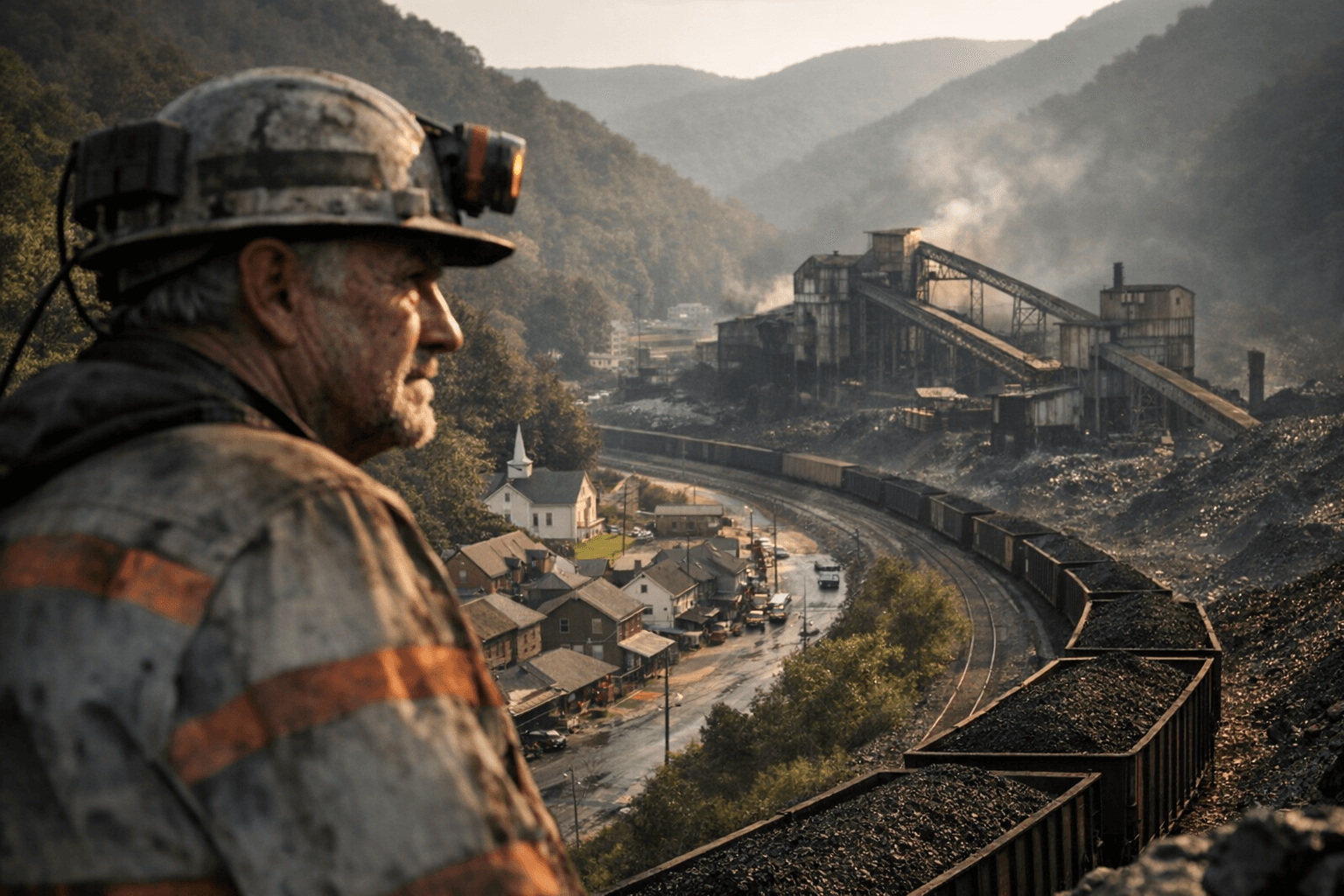
McDowell County’s nickname, the "Free State of McDowell," is more than a quaint slogan: it reflects a multiethnic, multilocal past that continues to influence community identity and public policy. A recent local feature traced the label to the 20th-century coal boom, when companies actively recruited a diverse workforce from Europe, the Jim Crow South, and neighboring counties, creating a unique social fabric across coal camps and hollers.
Historians and local officials described how those recruitment patterns produced neighborhoods where languages, faiths, and traditions met daily life in a county that peaked in population during the 1950s. That era also produced notable McDowell natives who achieved national prominence, including author Homer Hickam and entertainer Steve Harvey, figures residents cite as proof of the county’s outsized cultural impact.
Institutionally, the coal companies’ role as employer and de facto civic authority left long-term consequences for governance and service delivery. Company-driven housing, stores, and infrastructure concentrated population and economic activity in ways that eroded municipal capacity when mines closed and people left. Today, fewer residents mean a smaller tax base, heavier per-capita costs for roads and emergency services, and a need for targeted policy solutions to maintain schools, health care access, and basic utilities across a sparsely populated landscape.
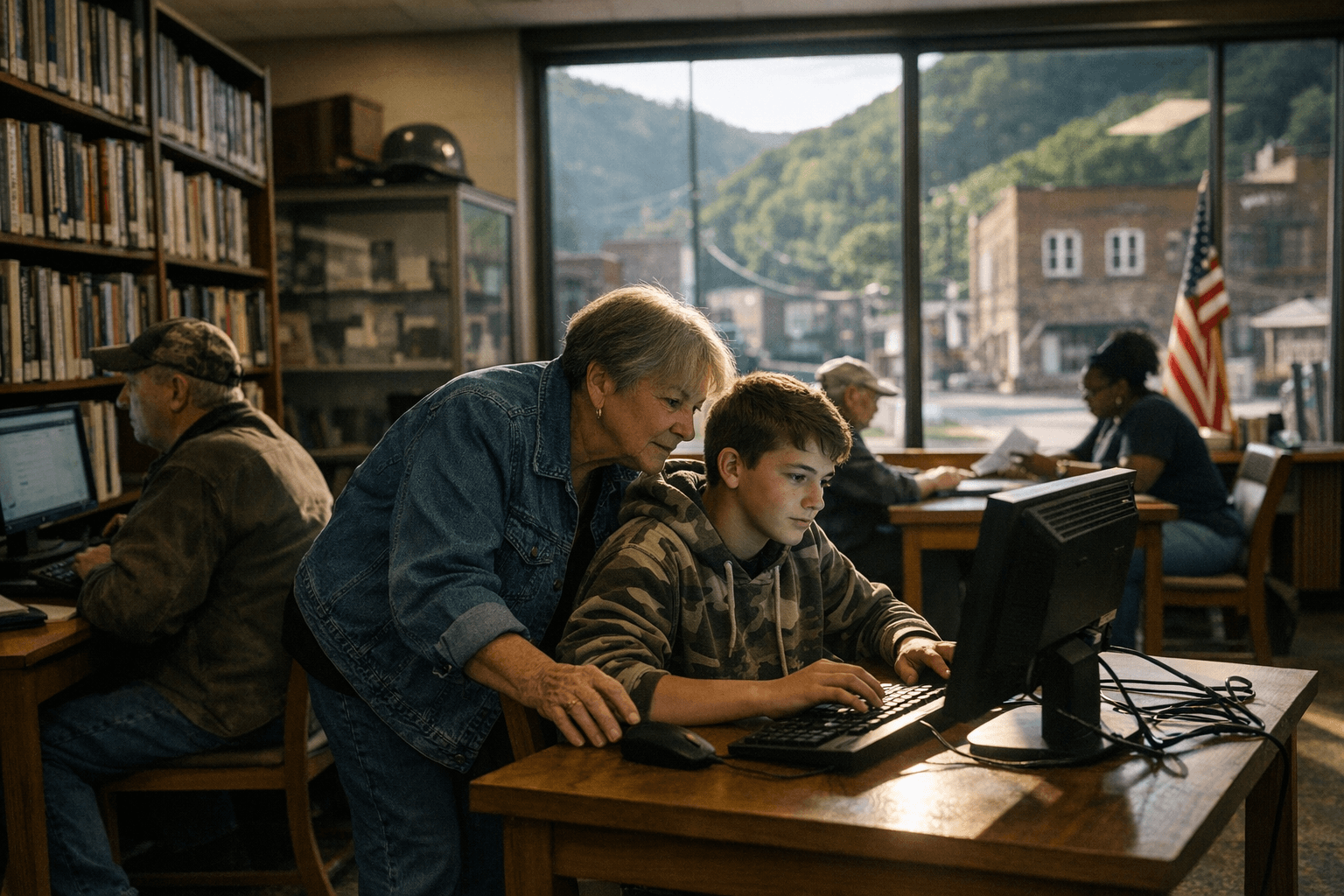
The county’s historical diversity also matters for civic engagement and political life. Decades of in-migration and internal migration created social networks and mutual-aid traditions that local leaders say fuel community resilience even as institutional resources shrink. Those same patterns complicate policy choices: preserving cultural landmarks and community memory competes with urgent needs for economic development, workforce training, and broadband expansion.
For policymakers, the legacy of the coal era suggests three broad priorities: stabilize essential services for remaining residents, invest in heritage and cultural assets that can support tourism and local pride, and expand economic opportunities that fit the county’s geography and skill base. Any plan must reckon with decades of demographic change while drawing on the county’s storied identity to build buy-in.
The stories from the camps and the people who left and returned remain central to McDowell’s narrative. The county’s past is not nostalgia alone; it is a resource and a challenge for governance, from budgeting to civic participation.
The takeaway? Hold onto the history, but focus on practical governance: get involved in county planning, support preservation projects that create jobs, and vote in local elections so policy choices reflect community priorities. Our two cents? Invest time and attention here—McDowell’s future depends on both remembering who made it and on pragmatic steps to sustain the people who live here now.
Sources:
Know something we missed? Have a correction or additional information?
Submit a Tip